PCB Material Composition: Understanding the Building Blocks of Modern Electronics

All Categories

what are pcbs made of

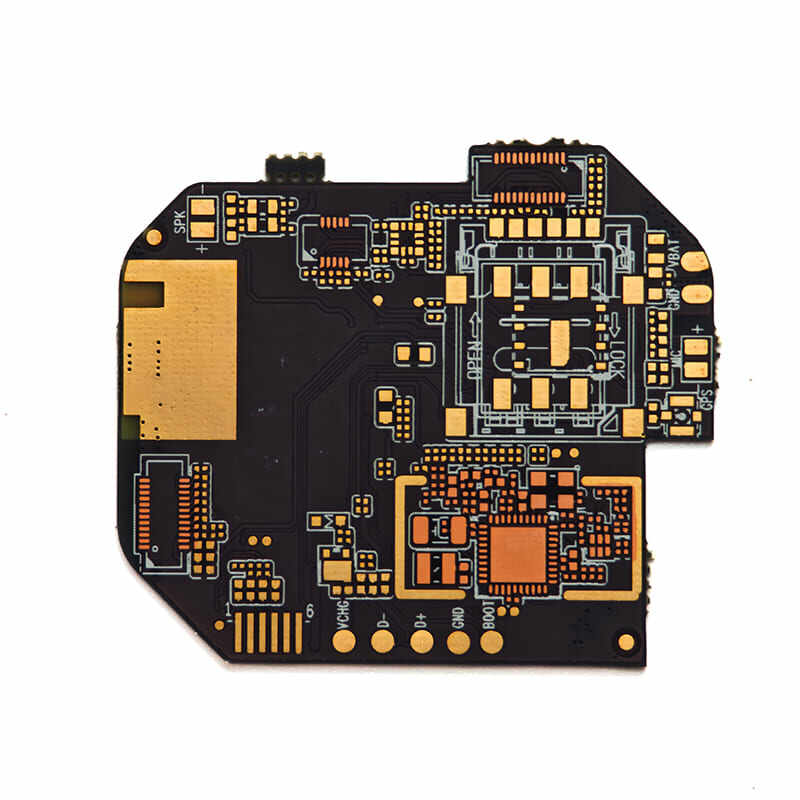
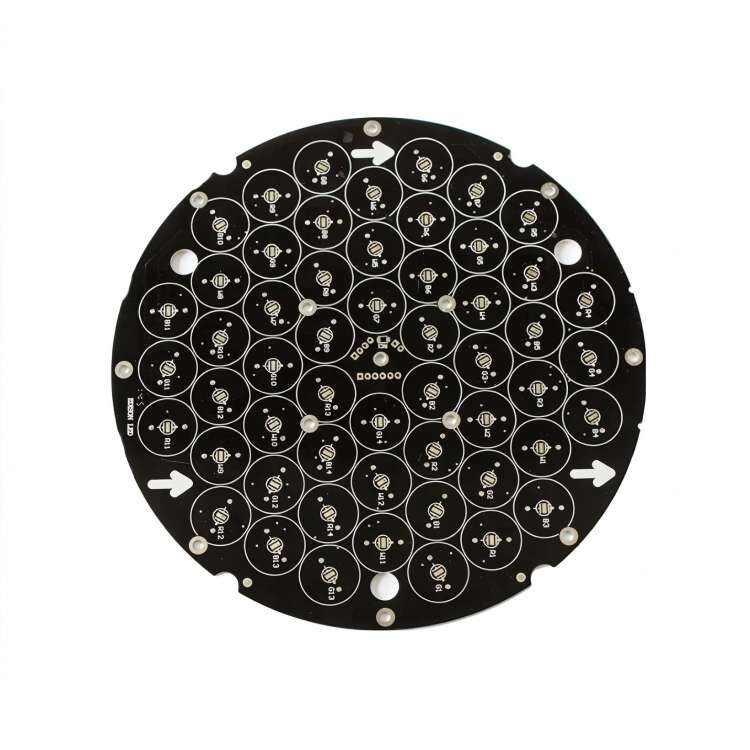
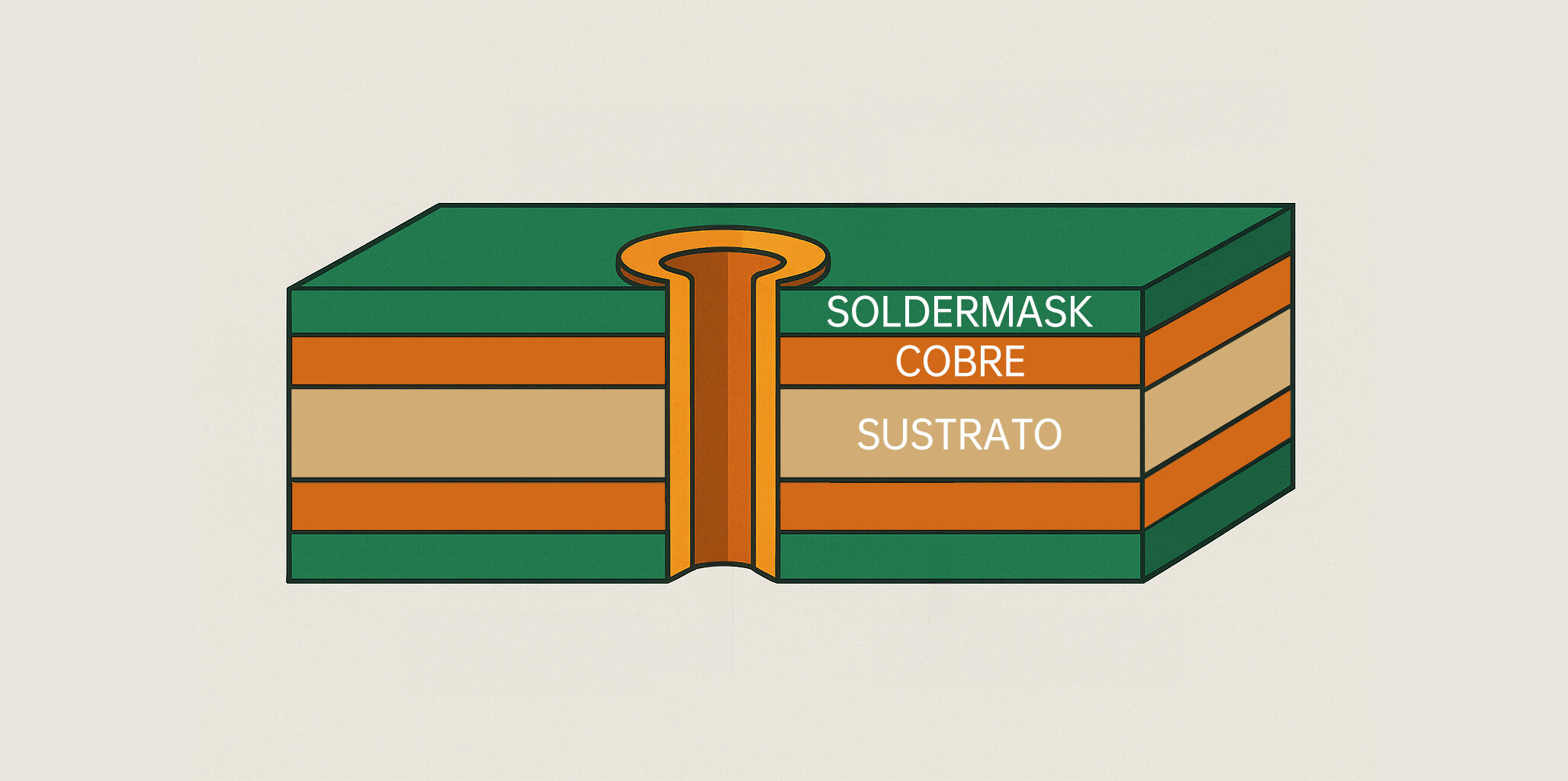
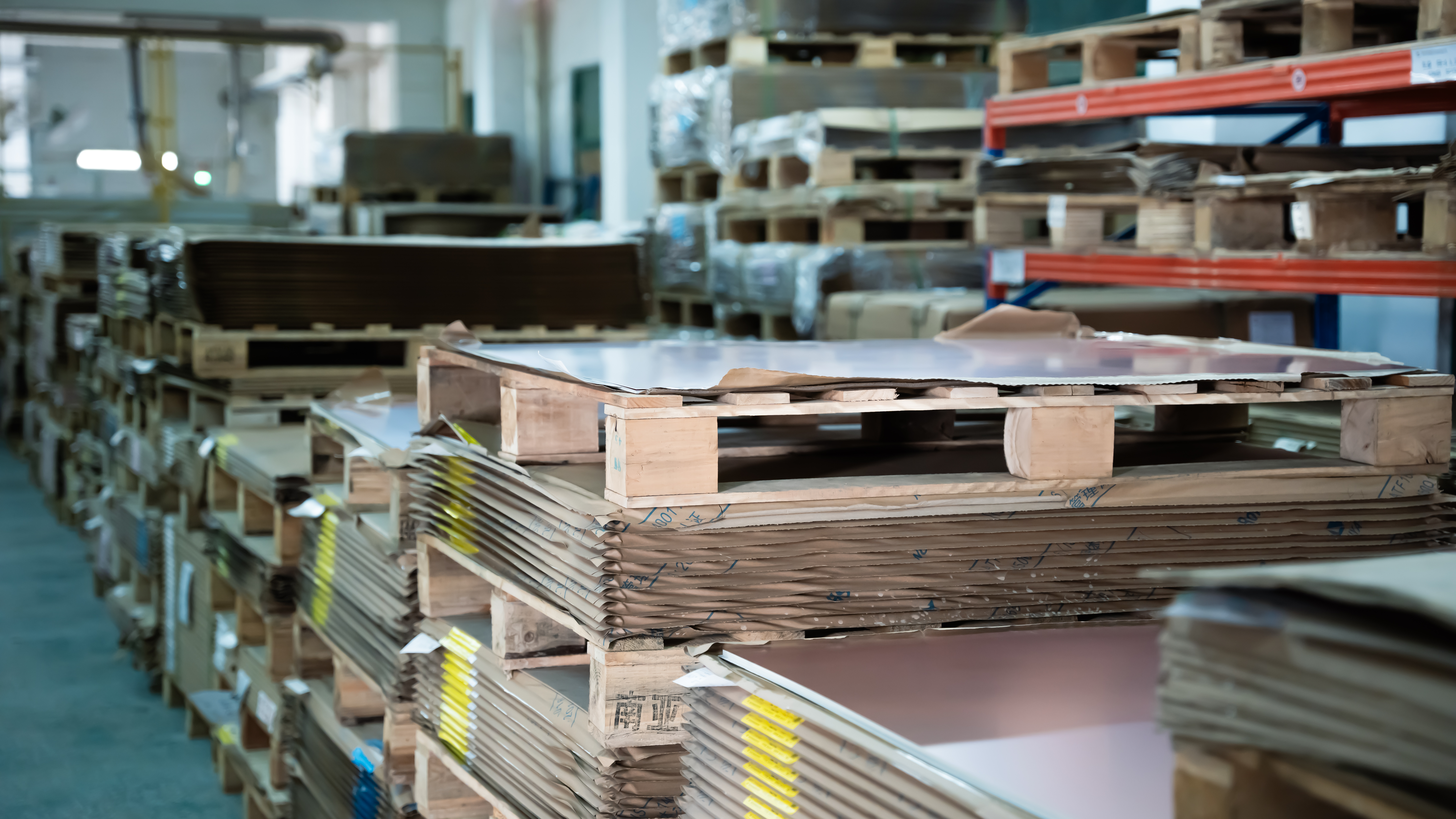
Printed Circuit Boards (PCBs) are complex electronic components made from multiple layers of materials, each serving a specific purpose. The foundation of a PCB is typically a substrate made of fiberglass-reinforced epoxy laminate material, commonly known as FR4. This base material provides structural support and electrical insulation. The conductive layers are made of copper foil, which is bonded to the substrate and etched to create the circuit patterns. The copper traces range in thickness from 0.5 to 70 micrometers and serve as pathways for electrical signals. A solder mask, usually green in color, is applied to protect the copper traces and prevent short circuits. The final layer is the silkscreen, typically white, which provides component labels and other identifying information. PCBs can be single-sided, double-sided, or multi-layered, depending on the complexity of the circuit design. Modern PCBs often incorporate advanced materials like polyimide for high-temperature applications, ceramic substrates for better thermal management, and specialized coatings for environmental protection. These boards are essential components in virtually all electronic devices, from simple calculators to complex aerospace systems.


New Product Releases

PCBs offer numerous advantages that make them indispensable in modern electronics manufacturing. First, they provide consistent and reliable performance through standardized manufacturing processes, ensuring each board functions identically. The compact design allows for significant space optimization, enabling the creation of smaller electronic devices without compromising functionality. PCBs also offer excellent cost-effectiveness in mass production, as automated manufacturing processes reduce labor costs and minimize human error. The structured layout of components on PCBs improves heat dissipation and thermal management, extending the lifespan of electronic devices. The organized arrangement of components and connections makes troubleshooting and repairs more straightforward, saving time and resources during maintenance. PCBs also provide superior electromagnetic compatibility, reducing interference between different components and improving overall device performance. The ability to incorporate multiple layers allows for complex circuit designs in a compact space, enabling advanced functionality in modern electronic devices. The standardized manufacturing process ensures quality control and repeatability, making PCBs ideal for large-scale production. Additionally, PCBs can be designed to meet specific environmental requirements, such as resistance to moisture, temperature extremes, and mechanical stress, making them suitable for diverse applications from consumer electronics to aerospace technology.

Latest News

What Are the Different Types of PCBs and Their Applications?

09

Oct

What Are the Different Types of PCBs and Their Applications?

Understanding Modern Printed Circuit Board Varieties Printed Circuit Boards (PCBs) form the backbone of modern electronics, serving as the foundation for countless devices we use daily. From smartphones to industrial machinery, different types of PCB...
View More
Why Choose PCB Solutions for Industrial Applications?

09

Oct

Why Choose PCB Solutions for Industrial Applications?

The Evolution of PCB Solutions in Modern Industrial Landscapes The industrial sector has witnessed a remarkable transformation with the integration of advanced PCB solutions into its core operations. From automated manufacturing facilities to sophist...
View More
What Problems Can Happen in PCB Circuit Boards and How to Solve Them?

09

Oct

What Problems Can Happen in PCB Circuit Boards and How to Solve Them?

Understanding Common PCB Circuit Board Issues and Their Solutions PCB circuit boards are the backbone of modern electronics, serving as the foundation for countless devices we use daily. From smartphones to industrial machinery, these intricate compo...
View More
Why Choose Professional PCB Manufacturing Services?

09

Oct

Why Choose Professional PCB Manufacturing Services?

The Critical Role of Expert PCB Production in Modern Electronics In today's rapidly evolving electronics industry, the quality and reliability of printed circuit boards (PCBs) have become more crucial than ever. Professional PCB manufacturing service...
View More

Get a Free Quote

Our representative will contact you soon.
Email
Name
Company Name
Message
0/1000

what are pcbs made of

Material Composition and Durability

Material Composition and Durability

The carefully selected materials used in PCB construction contribute significantly to their reliability and performance. The core substrate, typically FR4, provides excellent electrical insulation while maintaining structural integrity under varying conditions. This material combination offers outstanding resistance to heat, moisture, and mechanical stress, ensuring long-term durability. The copper layers, precisely bonded to the substrate, maintain their conductivity over time, ensuring consistent electrical performance. The solder mask protects against environmental factors and prevents oxidation of the copper traces, extending the PCB's lifespan. The combination of these materials results in a robust electronic component capable of withstanding demanding operating conditions.
Design Flexibility and Customization

Design Flexibility and Customization

PCBs offer unprecedented design flexibility to meet specific application requirements. The ability to create multi-layer boards allows for complex circuit designs in a compact form factor. Designers can choose from various substrate materials, copper weights, and surface finishes to optimize performance for particular applications. The layout can be customized to accommodate different component sizes and types, from traditional through-hole to surface-mount devices. Advanced PCB designs can incorporate specialized features like impedance control, thermal management solutions, and electromagnetic shielding, making them suitable for high-frequency applications and sensitive electronic devices.
Manufacturing Efficiency and Quality Control

Manufacturing Efficiency and Quality Control

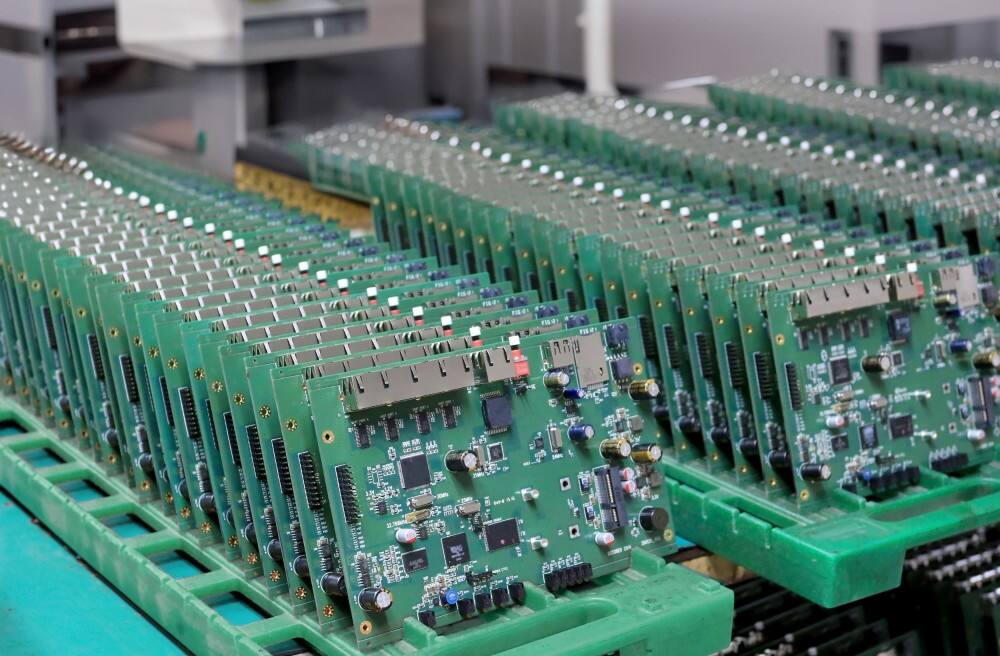
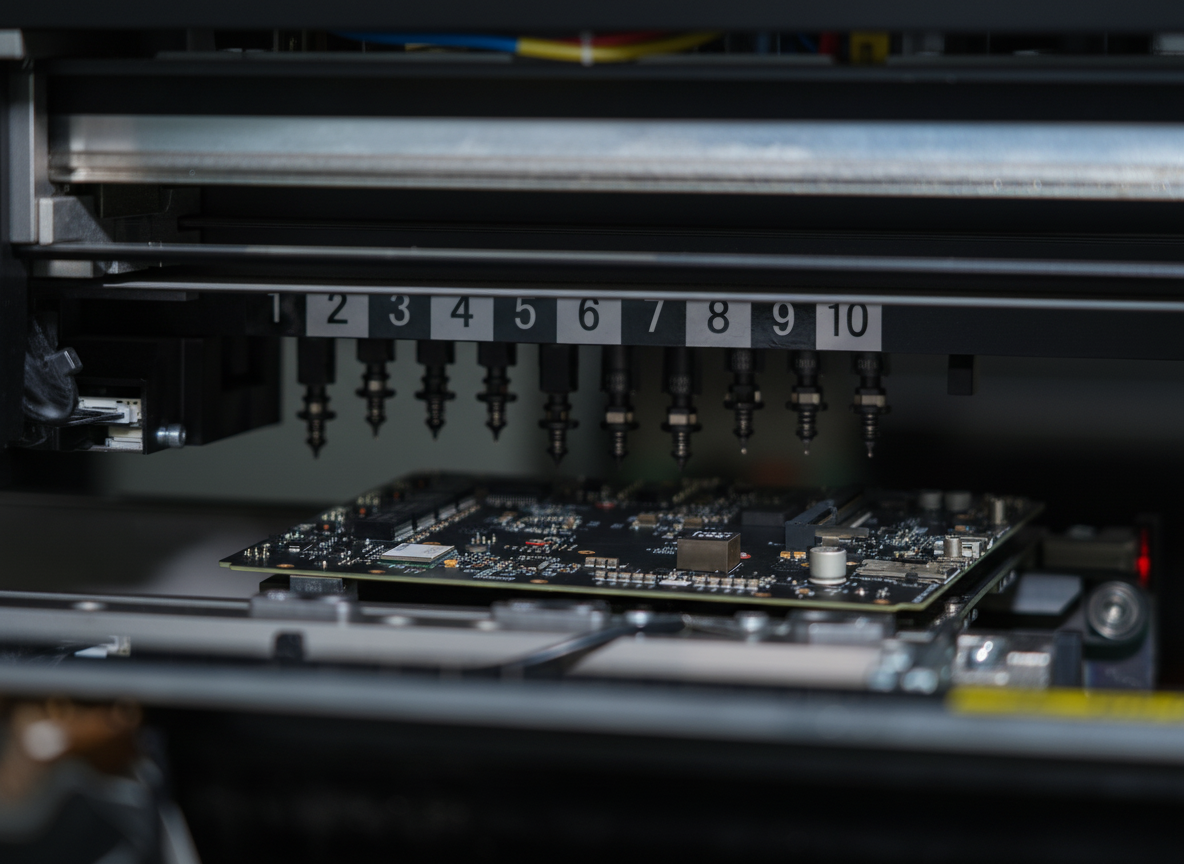
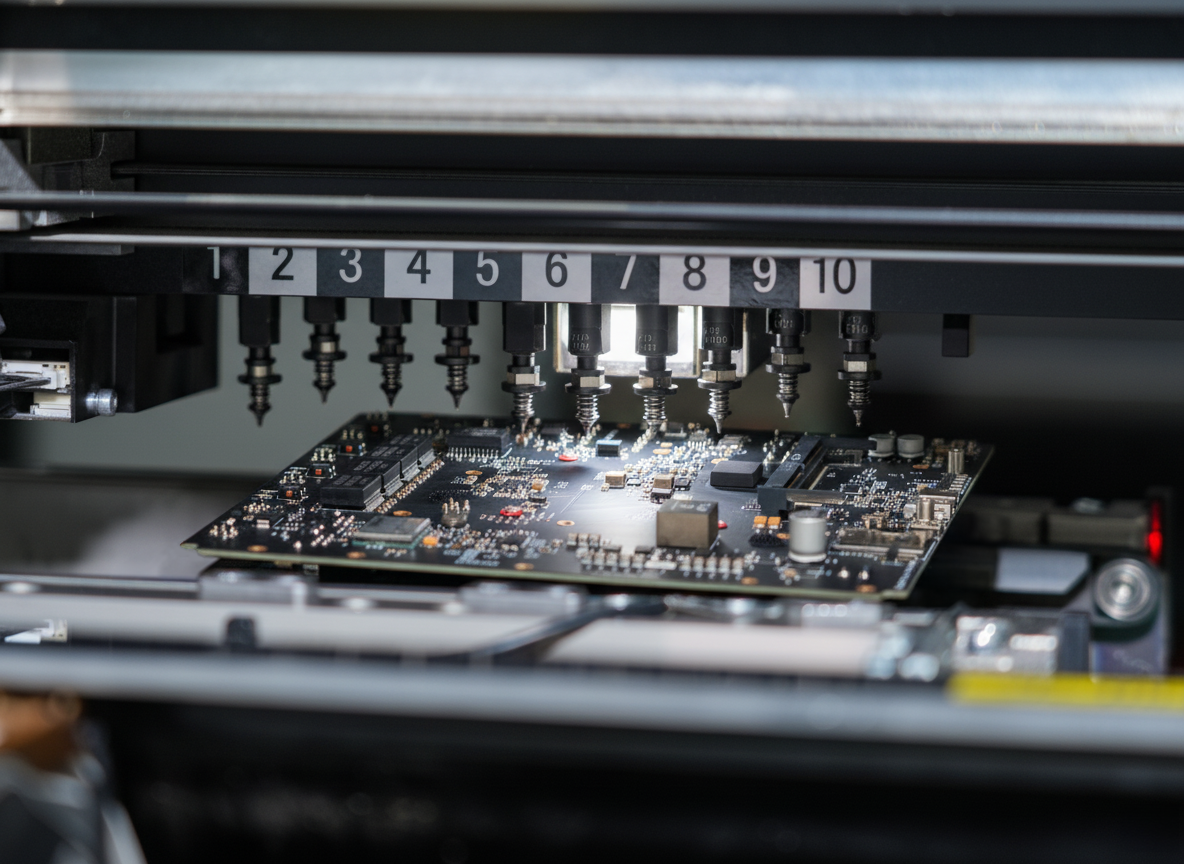
The PCB manufacturing process incorporates rigorous quality control measures at every stage. Automated manufacturing equipment ensures precise component placement and consistent solder joints. Advanced inspection techniques, including automated optical inspection and X-ray analysis, verify the quality of each board. The standardized manufacturing process allows for high-volume production while maintaining consistent quality. Modern PCB facilities employ strict environmental controls to prevent contamination and ensure optimal curing of materials. This systematic approach to manufacturing results in highly reliable products with minimal defects, reducing waste and improving overall production efficiency.
PCB Material Composition: Understanding the Building Blocks of Modern Electronics

Get a Free Quote

Our representative will contact you soon.
Email
Name
Company Name
Message
0/1000