High-Performance RF Circuit Board Design: Advanced Solutions for Wireless Applications

All Categories

rf circuit board design

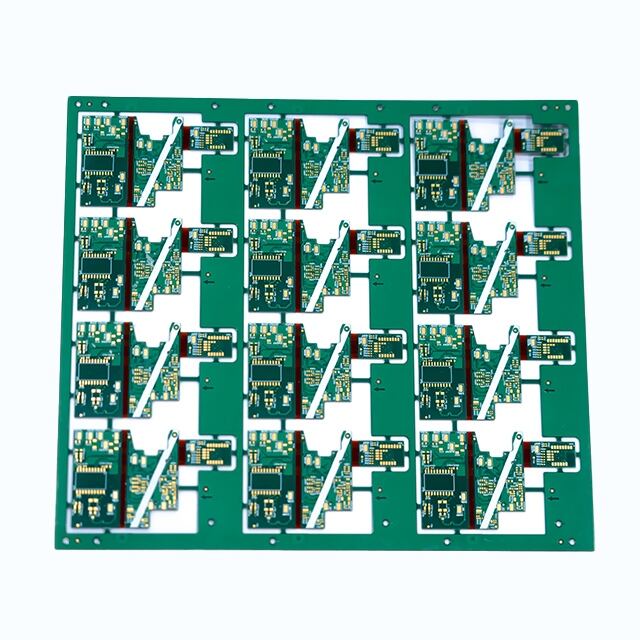
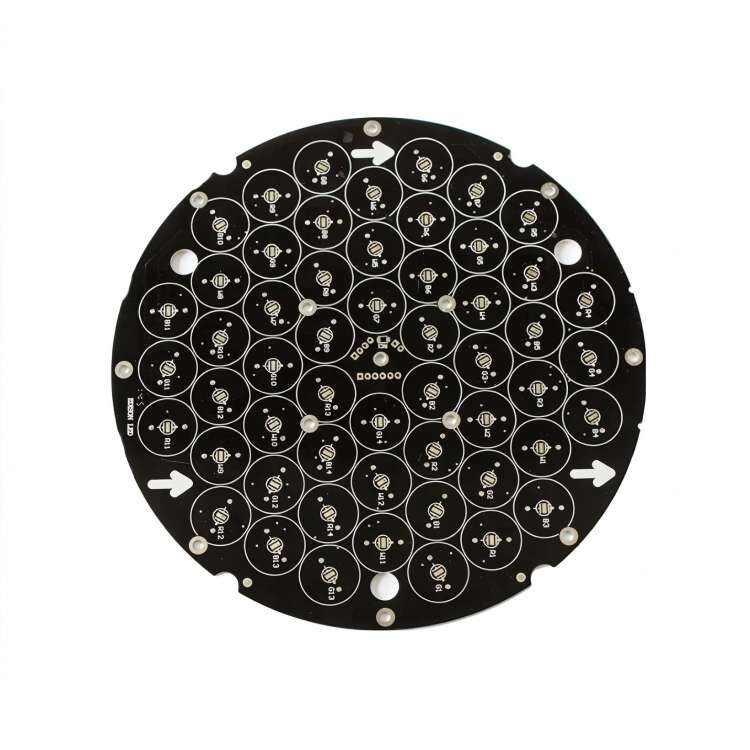
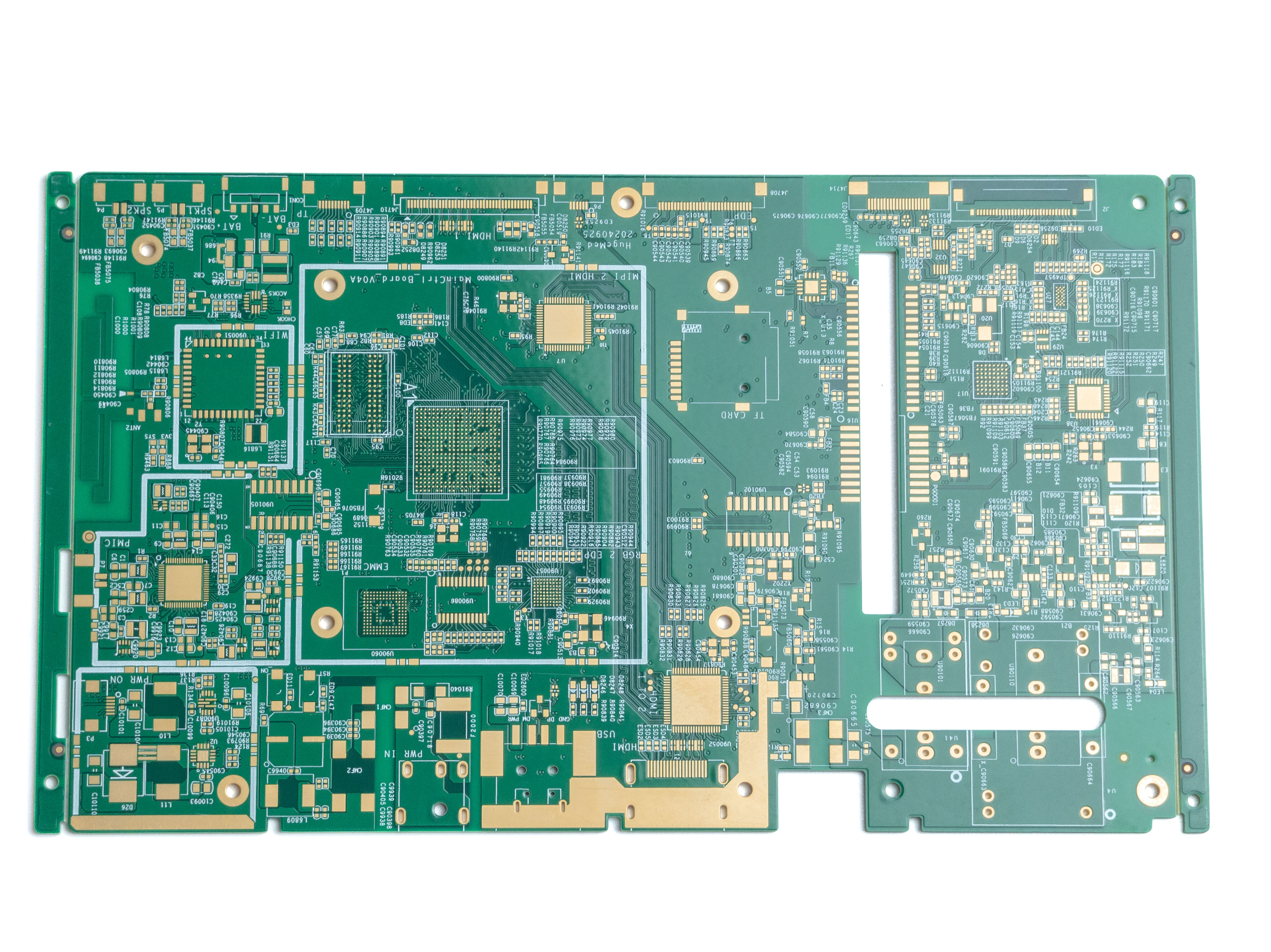
RF circuit board design represents a specialized discipline within electronic engineering that focuses on creating printed circuit boards optimized for radio frequency applications. These sophisticated designs operate at frequencies ranging from several MHz to GHz, demanding precise attention to impedance control, signal integrity, and electromagnetic interference management. The design process encompasses careful consideration of component placement, trace routing, and layer stackup to ensure optimal performance in wireless communications, radar systems, and high-frequency applications. RF circuit boards utilize specialized materials like Rogers or Taconic substrates, which offer superior dielectric properties and loss characteristics compared to standard FR4 materials. The design incorporates critical elements such as controlled impedance transmission lines, proper ground planes, and RF shielding techniques to maintain signal quality and minimize unwanted coupling effects. These boards often feature dedicated power and ground planes, carefully calculated trace widths, and specific routing angles to maintain signal integrity at high frequencies. Modern RF circuit boards support various applications, including mobile devices, satellite communications, wireless networking equipment, and medical devices, making them essential components in today's interconnected world.


Popular Products

RF circuit board design offers numerous compelling advantages that make it indispensable in modern electronic systems. First, these designs enable efficient high-frequency signal transmission with minimal loss and interference, ensuring optimal performance in wireless applications. The careful consideration of component placement and routing results in improved signal integrity and reduced electromagnetic interference, leading to more reliable operation in challenging environments. Advanced materials and manufacturing techniques allow for miniaturization while maintaining high performance, enabling the creation of compact yet powerful devices. The designs incorporate sophisticated impedance matching techniques that maximize power transfer and minimize signal reflection, resulting in better system efficiency. RF circuit boards also feature enhanced thermal management capabilities, ensuring consistent performance under varying operating conditions. The integration of proper shielding and grounding techniques helps protect sensitive components from external interference while preventing unwanted signal radiation. These designs support higher bandwidth capabilities, enabling faster data transmission rates essential for modern communication systems. The optimization of trace layouts and layer configurations results in reduced parasitic effects, leading to improved circuit performance at high frequencies. Additionally, the implementation of proper RF design techniques ensures compliance with regulatory requirements regarding electromagnetic emissions and susceptibility. The versatility of RF circuit board designs allows for scalability across different applications, from consumer electronics to industrial equipment, while maintaining consistent performance characteristics.

Practical Tips

What Are the Different Types of PCBs and Their Applications?

09

Oct

What Are the Different Types of PCBs and Their Applications?

Understanding Modern Printed Circuit Board Varieties Printed Circuit Boards (PCBs) form the backbone of modern electronics, serving as the foundation for countless devices we use daily. From smartphones to industrial machinery, different types of PCB...
View More
Why Choose PCB Solutions for Industrial Applications?

09

Oct

Why Choose PCB Solutions for Industrial Applications?

The Evolution of PCB Solutions in Modern Industrial Landscapes The industrial sector has witnessed a remarkable transformation with the integration of advanced PCB solutions into its core operations. From automated manufacturing facilities to sophist...
View More
How Are PCBs Manufactured? Key Steps and Processes Explained

09

Oct

How Are PCBs Manufactured? Key Steps and Processes Explained

Understanding the Complex Journey of Circuit Board Production PCB manufacturing has revolutionized the electronics industry, enabling the creation of increasingly sophisticated devices that power our modern world. From smartphones to medical equipmen...
View More
Why Choose Professional PCB Manufacturing Services?

09

Oct

Why Choose Professional PCB Manufacturing Services?

The Critical Role of Expert PCB Production in Modern Electronics In today's rapidly evolving electronics industry, the quality and reliability of printed circuit boards (PCBs) have become more crucial than ever. Professional PCB manufacturing service...
View More

Get a Free Quote

Our representative will contact you soon.
Email
Name
Company Name
Message
0/1000

rf circuit board design

Advanced Signal Integrity Management

Advanced Signal Integrity Management

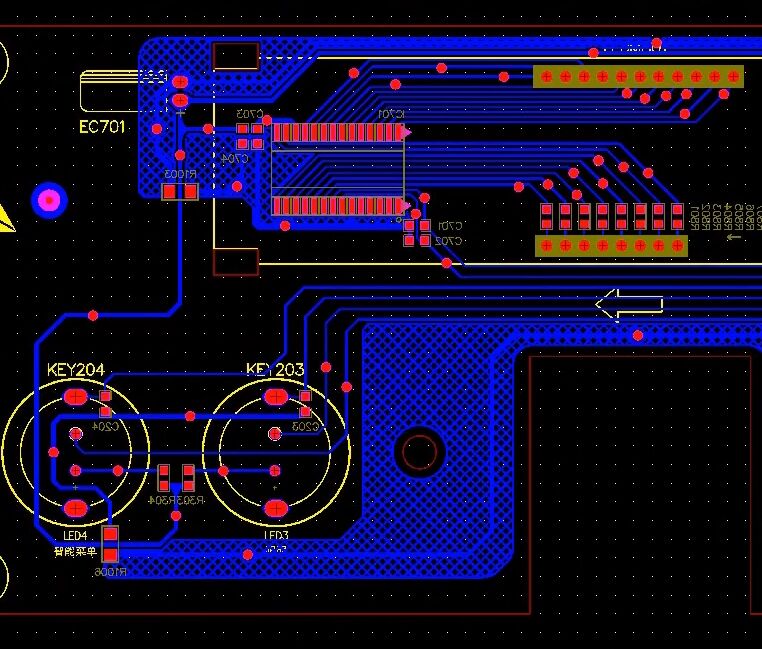
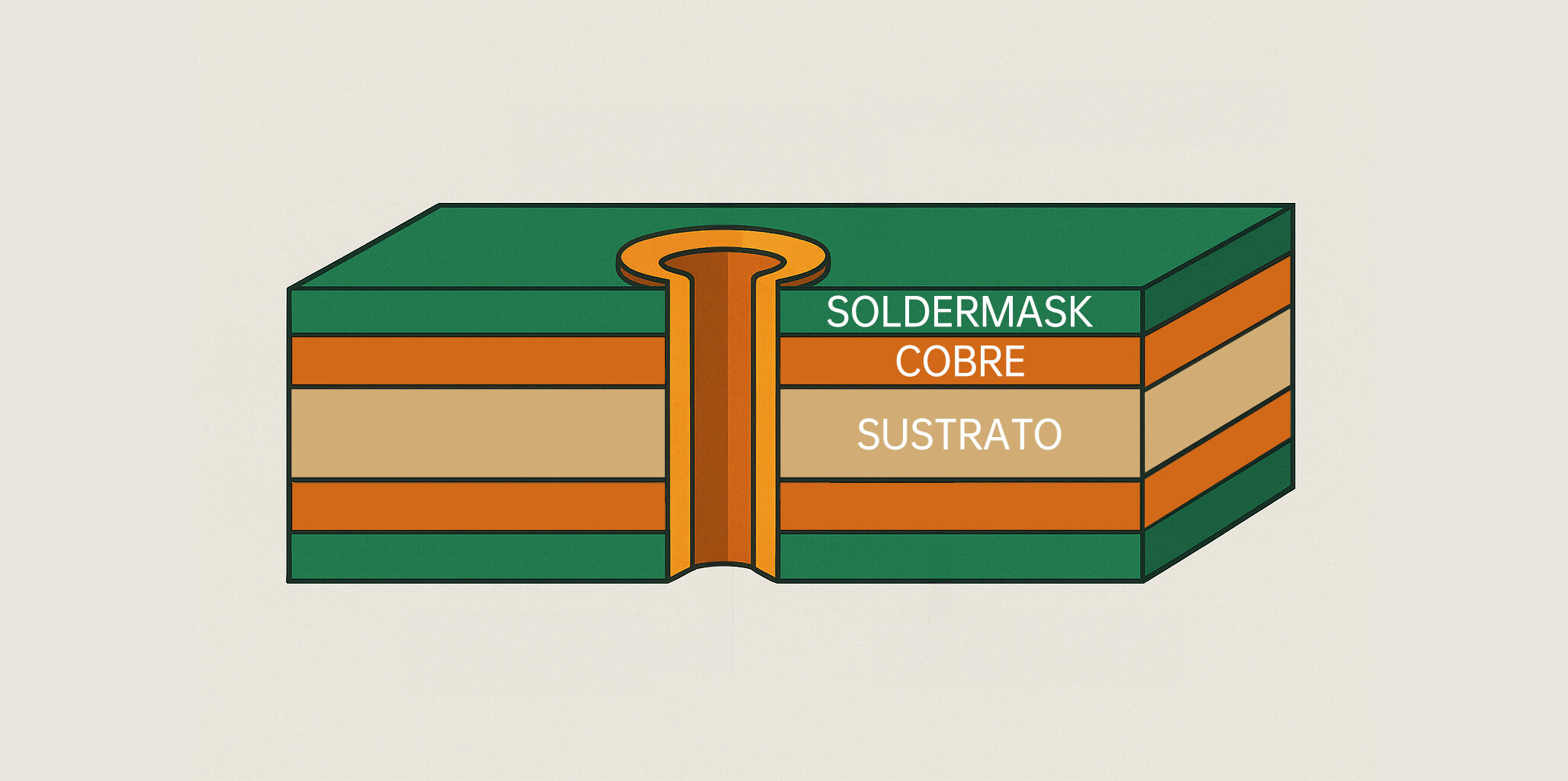
RF circuit board design implements sophisticated signal integrity management techniques that ensure optimal performance in high-frequency applications. This includes precisely calculated transmission line geometries that maintain consistent impedance throughout the signal path, minimizing signal reflections and losses. The design incorporates specialized routing techniques, such as curved traces instead of sharp angles, to reduce signal degradation at high frequencies. Advanced layer stackup configurations with dedicated power and ground planes help maintain signal quality while providing excellent electromagnetic shielding. The implementation of proper via stitching and return path design ensures signal continuity across different layers while minimizing unwanted coupling effects.
Electromagnetic Compatibility Excellence

Electromagnetic Compatibility Excellence

The RF circuit board design excels in electromagnetic compatibility through carefully implemented shielding and isolation techniques. This includes strategic component placement that minimizes cross-talk between critical signal paths and potential interference sources. The design incorporates dedicated ground planes and proper compartmentalization to isolate sensitive RF circuits from digital and power sections. Advanced EMI suppression techniques, including guard traces and filtered power distribution, ensure compliance with stringent electromagnetic compatibility requirements. The implementation of proper grounding techniques and careful attention to return current paths helps minimize common-mode radiation and susceptibility to external interference.
Thermal Management and Reliability

Thermal Management and Reliability

RF circuit board design incorporates advanced thermal management solutions that ensure reliable operation under demanding conditions. The design includes optimized copper distribution and thermal vias to efficiently dissipate heat from power-hungry components. Careful consideration of component placement and board stackup helps maintain uniform temperature distribution across the board, preventing hot spots that could affect performance. The implementation of proper thermal relief patterns ensures reliable soldering while maintaining adequate thermal conductivity. Advanced material selection and layer configuration contribute to improved thermal stability and long-term reliability of the RF circuits.
High-Performance RF Circuit Board Design: Advanced Solutions for Wireless Applications

Get a Free Quote

Our representative will contact you soon.
Email
Name
Company Name
Message
0/1000