pcb circuit design
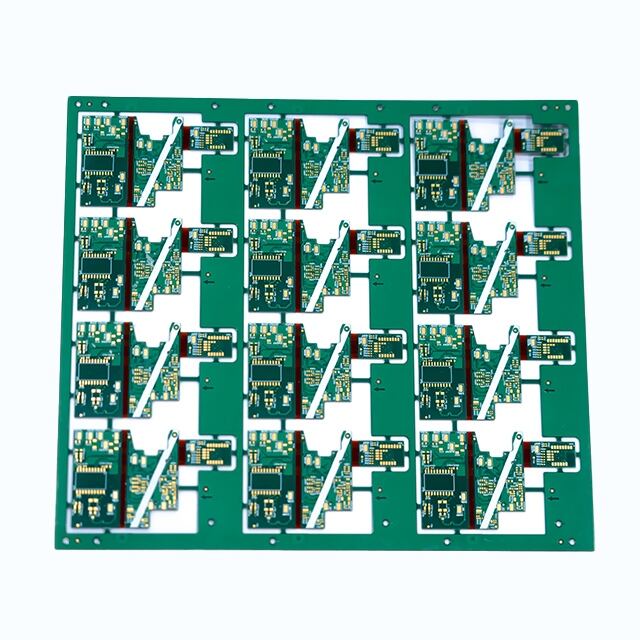
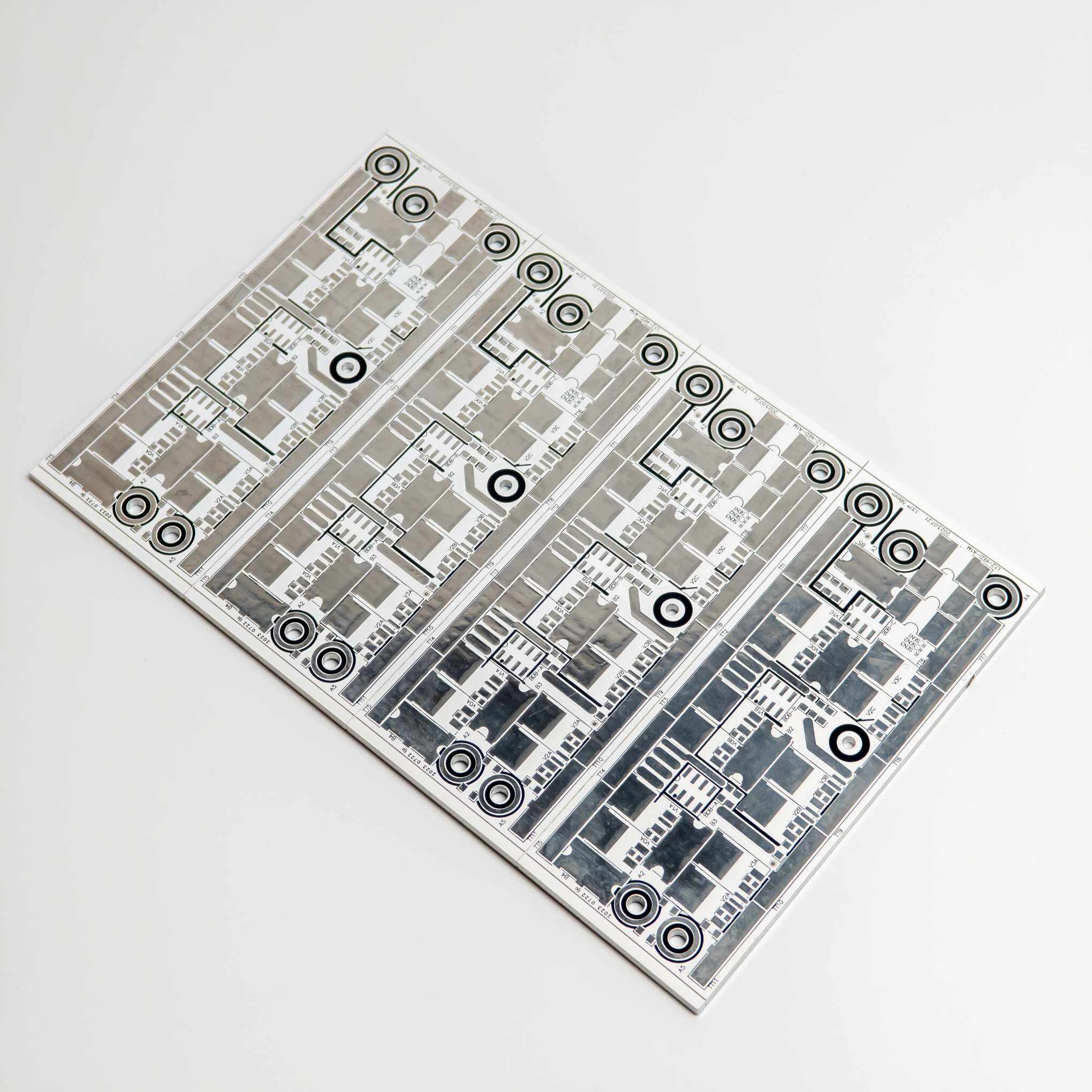
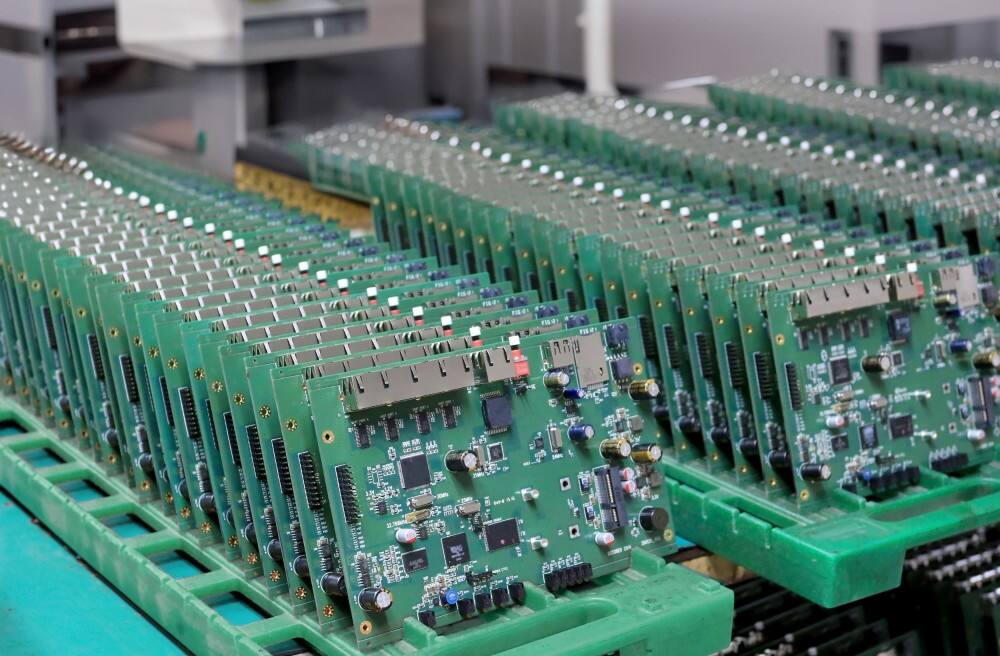
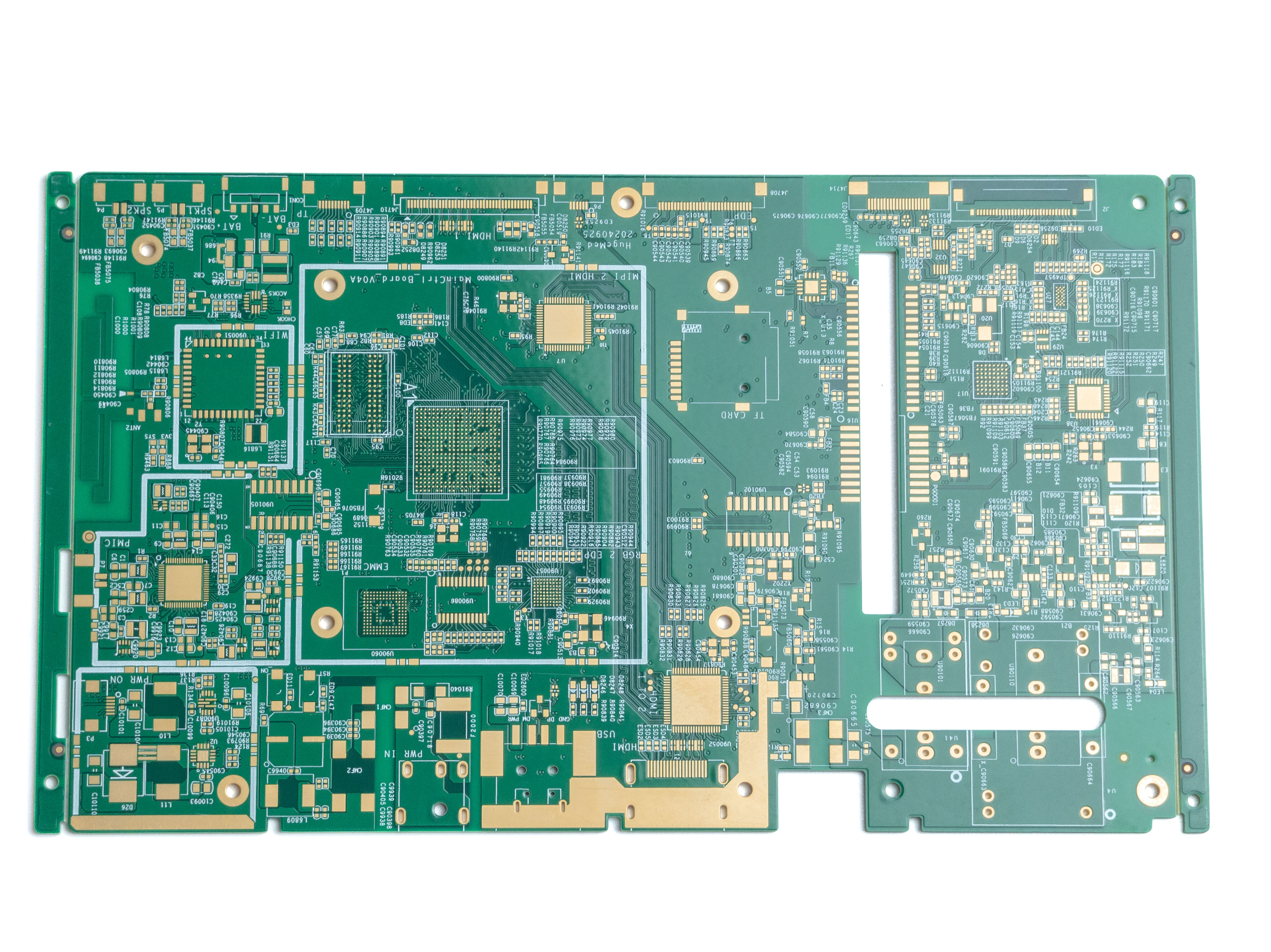
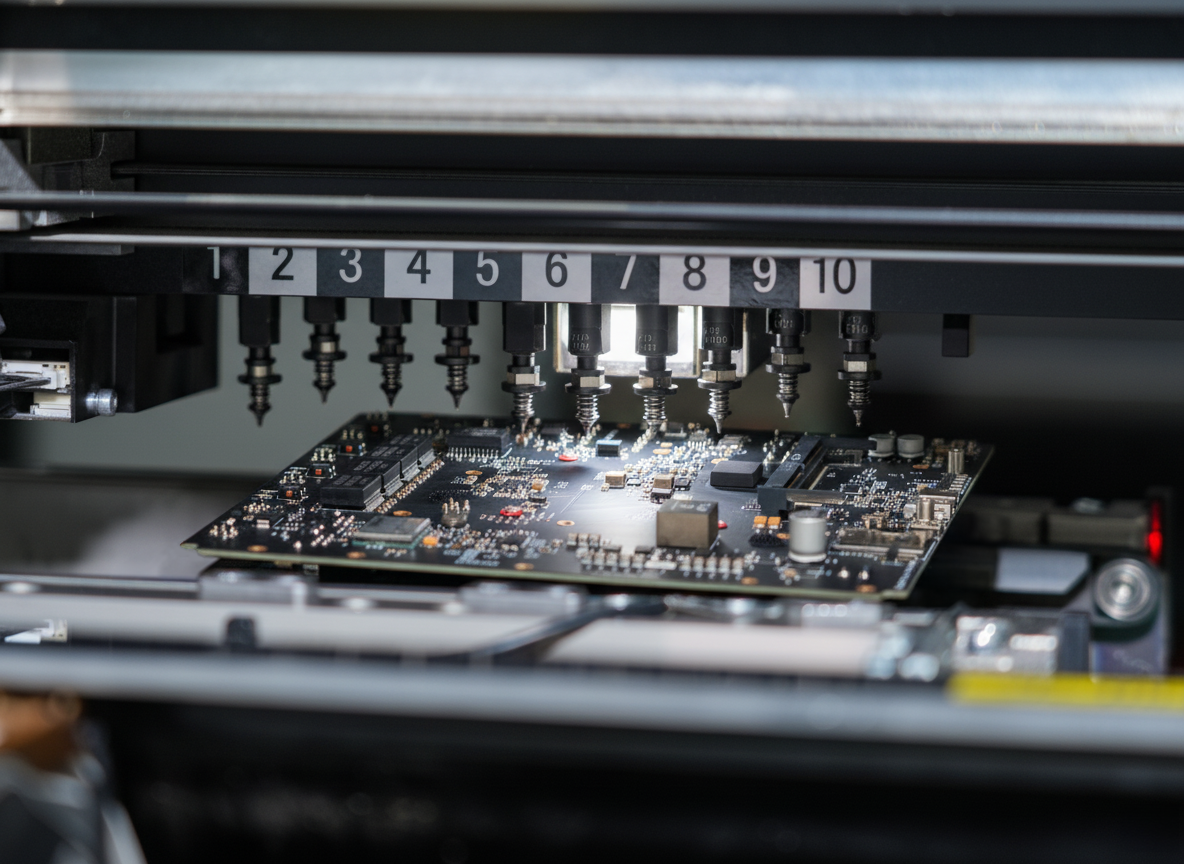
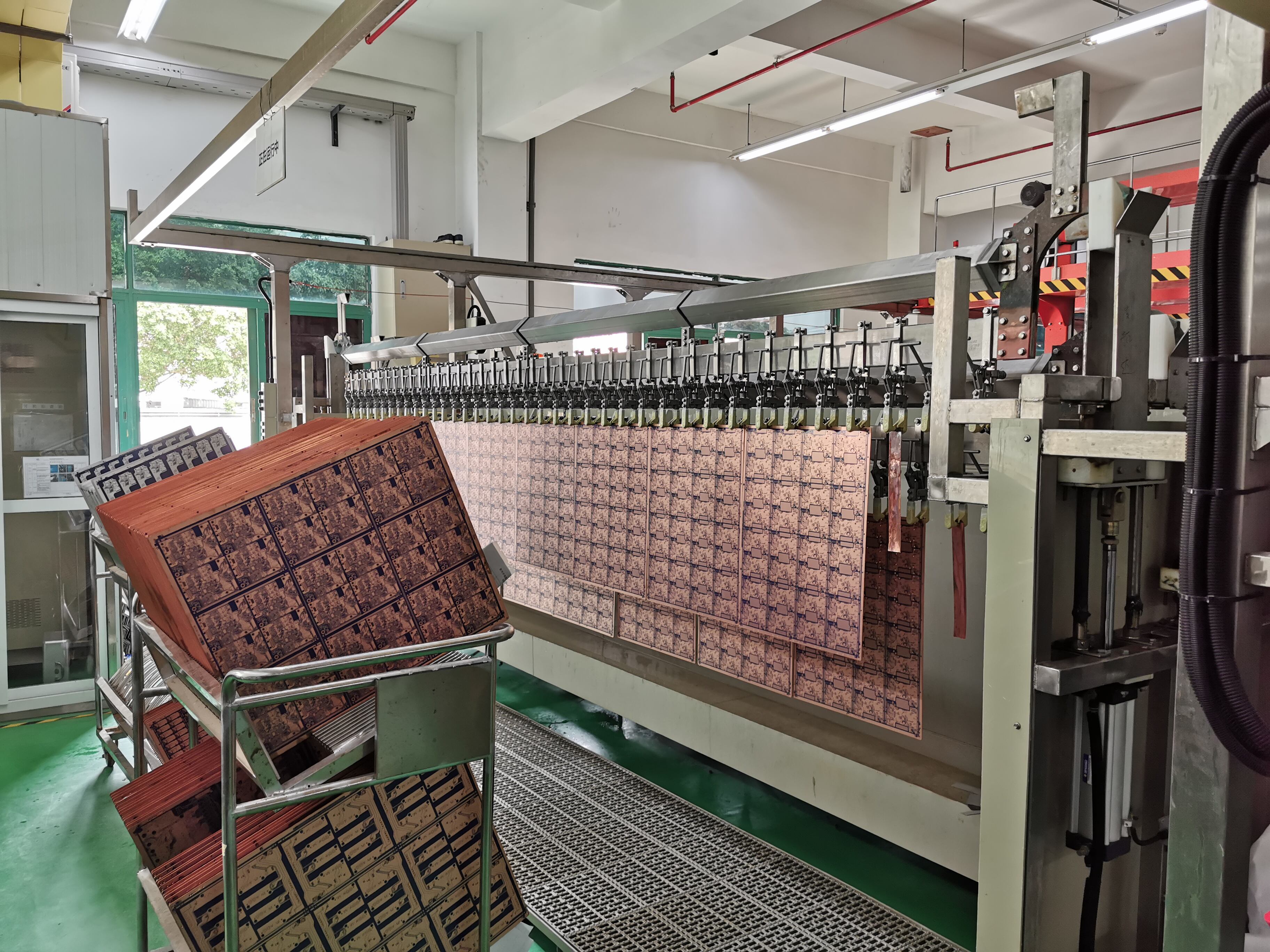
PCB circuit design represents a fundamental aspect of modern electronics manufacturing, encompassing the intricate process of creating printed circuit boards that serve as the backbone of electronic devices. This sophisticated design process involves mapping out complex electrical connections, component placements, and signal paths on a compact, layered substrate. The design incorporates multiple layers of conductive material, typically copper, separated by insulating layers, allowing for high-density component placement and efficient signal routing. Modern PCB circuit design utilizes advanced computer-aided design (CAD) software, enabling engineers to create precise layouts, perform signal integrity analysis, and optimize thermal management. The design process considers crucial factors such as electromagnetic compatibility, power distribution, and manufacturing constraints. These designs support various technologies, from simple single-layer boards to complex multilayer configurations capable of supporting high-speed digital circuits, RF applications, and mixed-signal systems. The versatility of PCB circuit design makes it essential in industries ranging from consumer electronics and automotive systems to medical devices and aerospace applications.

 EN
EN