SMT PCB Board: Advanced Surface Mount Technology for High-Performance Electronic Manufacturing

All Categories

smt pcb board

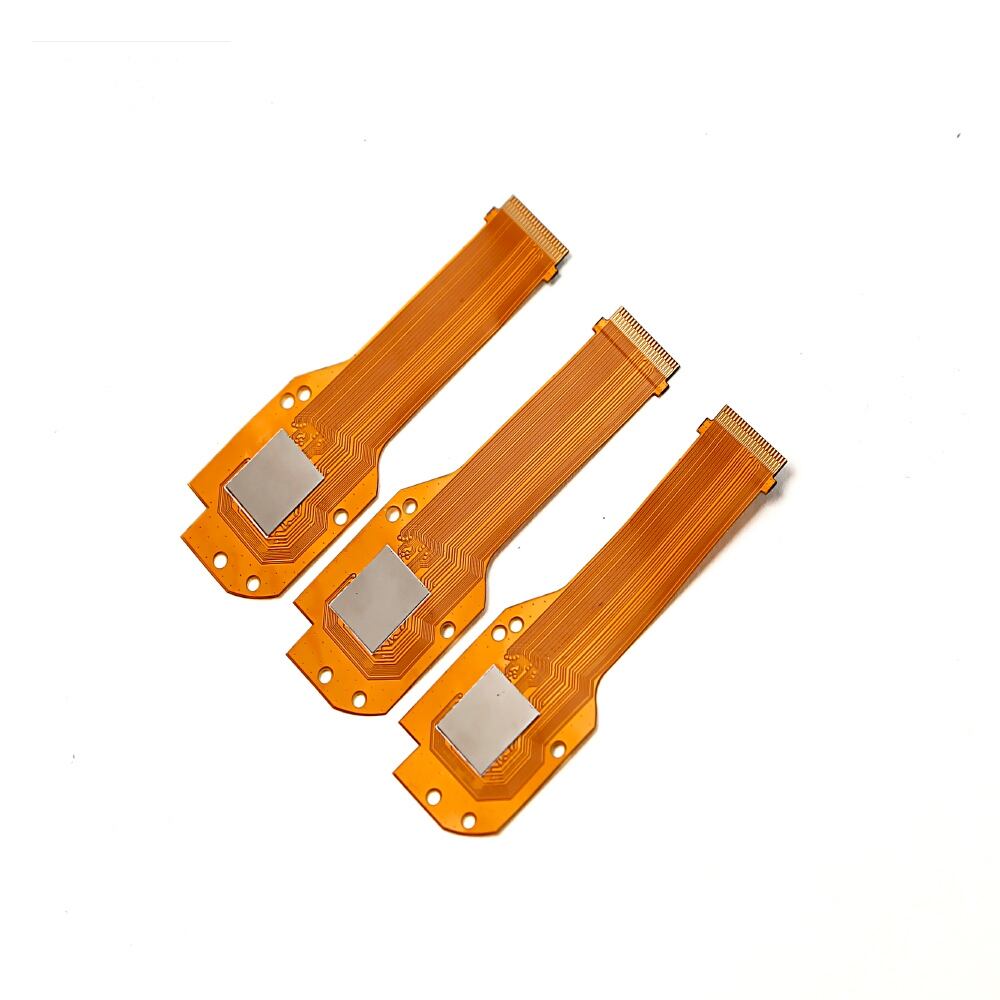
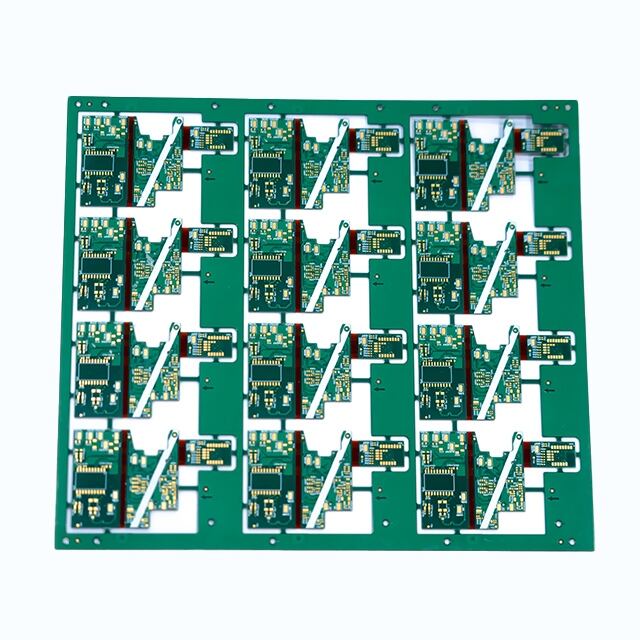
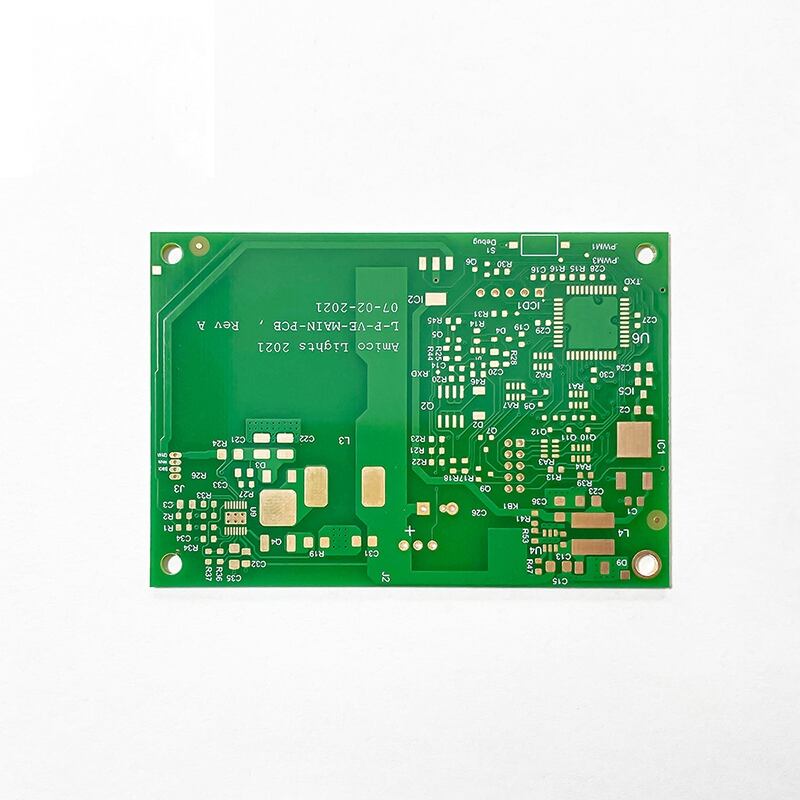
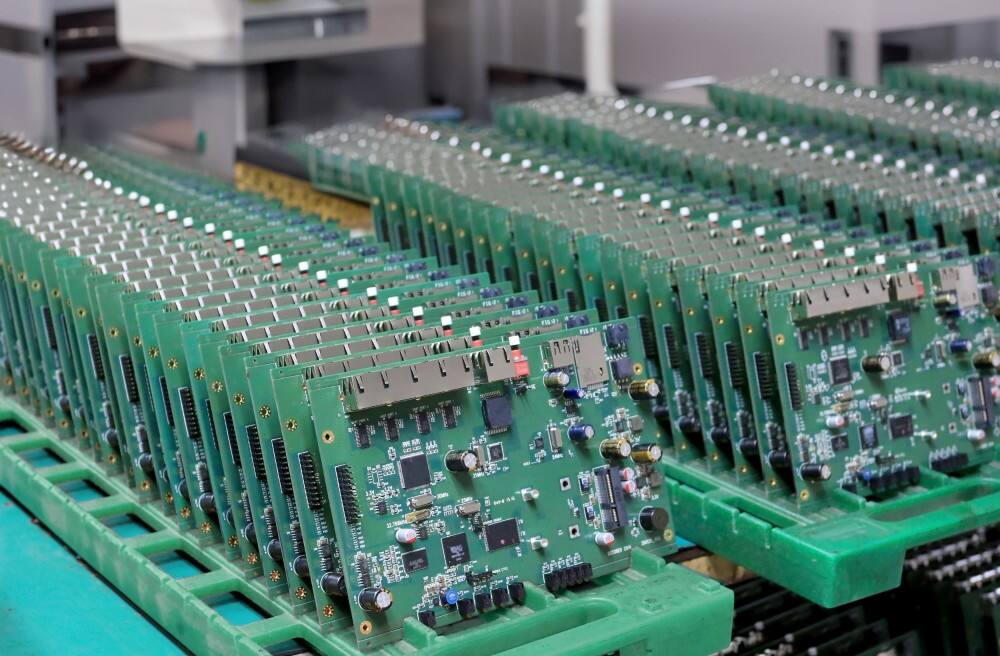
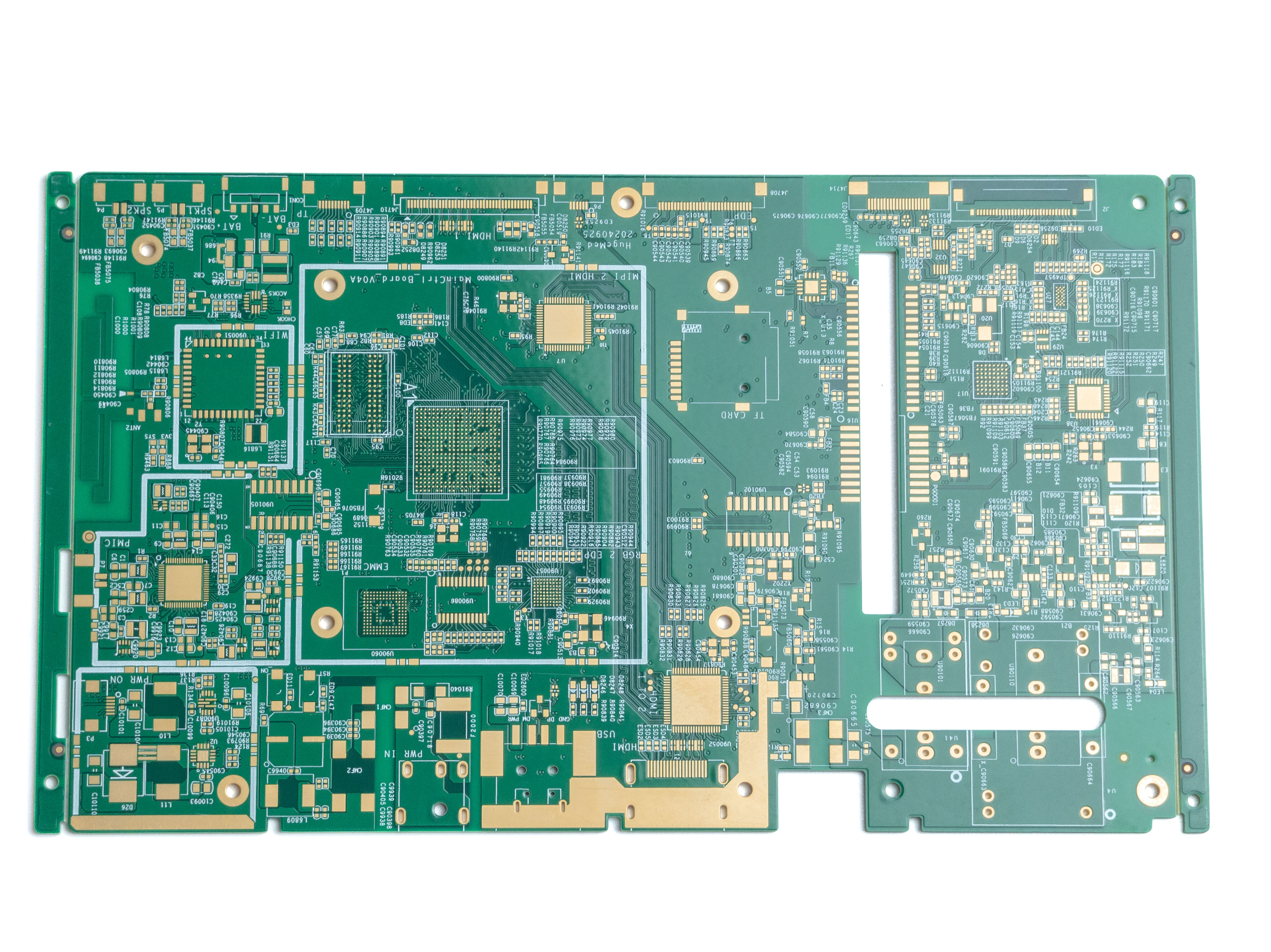
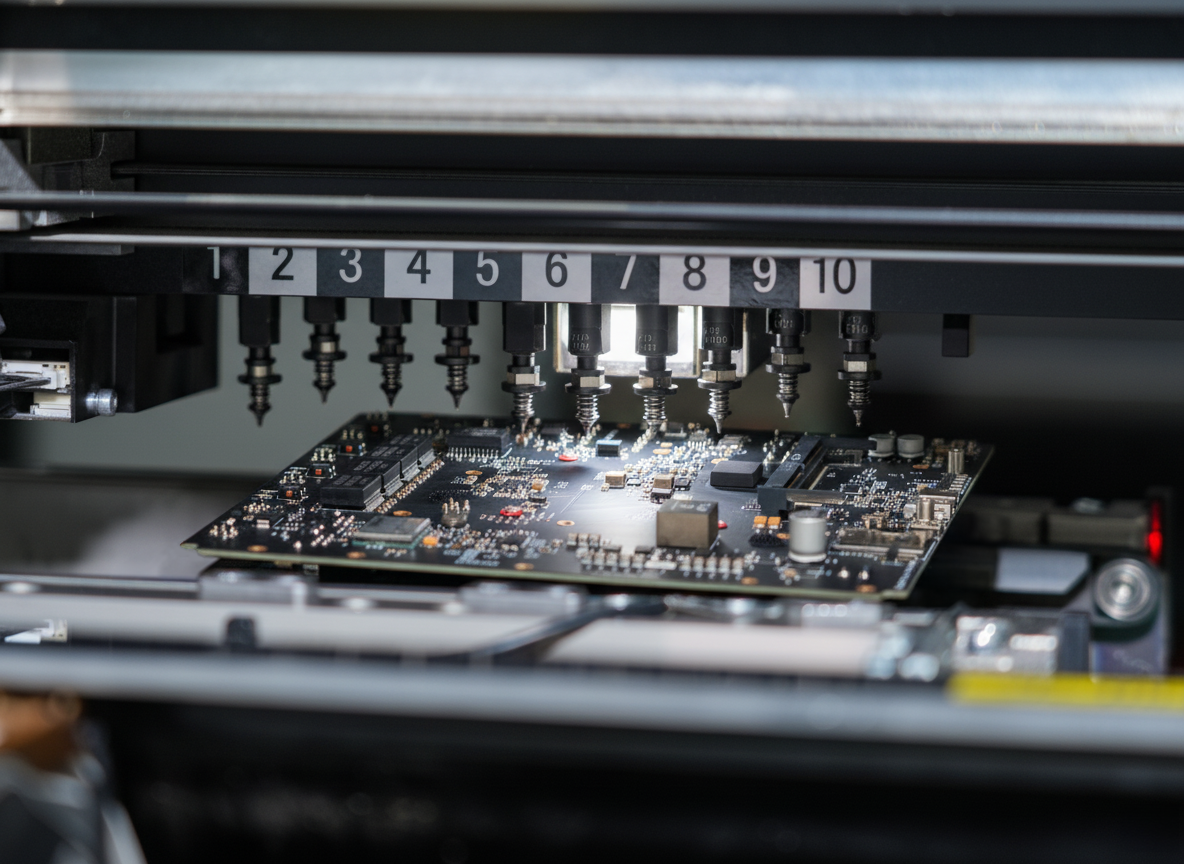
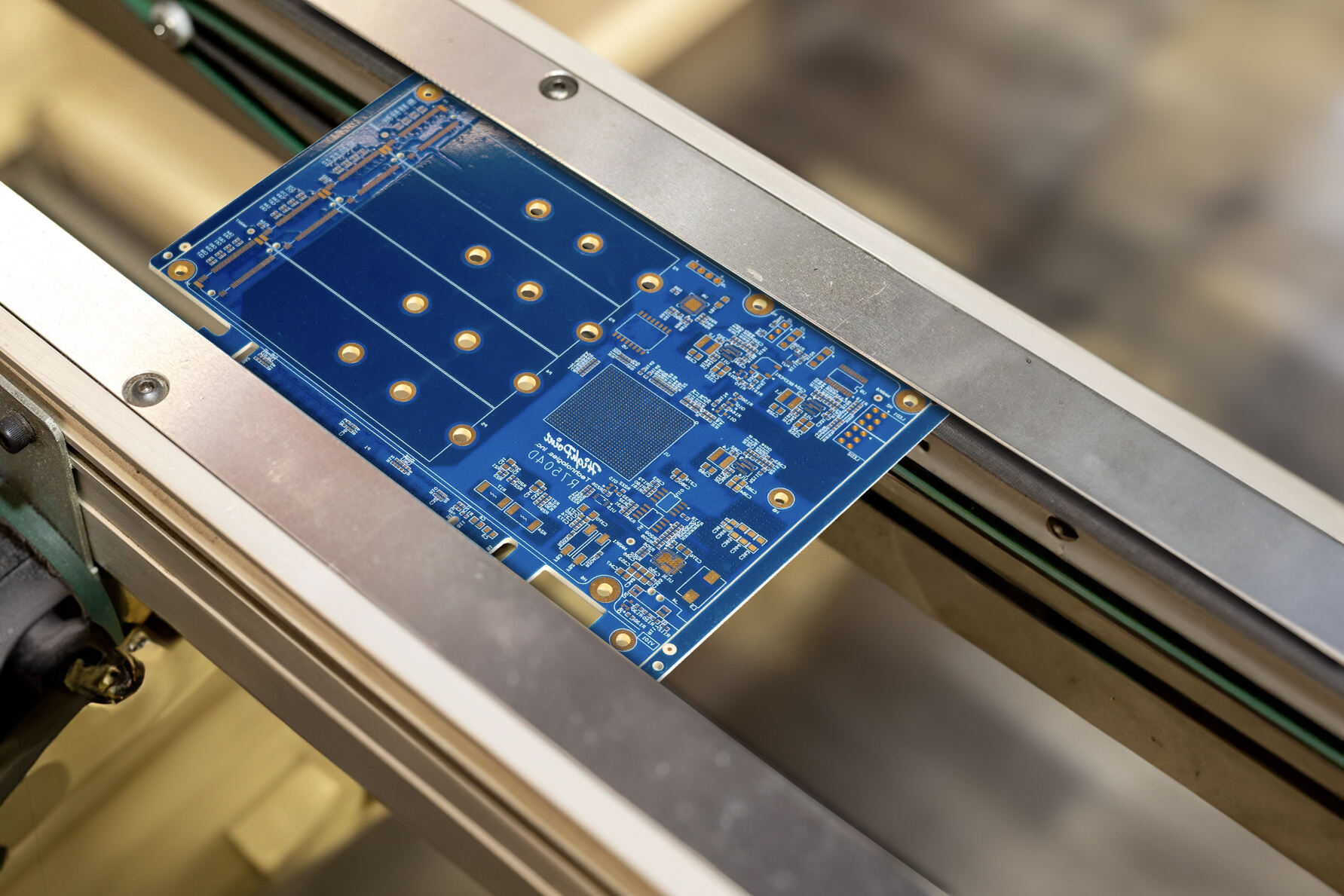
SMT PCB board, also known as Surface Mount Technology Printed Circuit Board, represents a revolutionary advancement in electronic manufacturing. This sophisticated board serves as the foundation for modern electronic devices, featuring a design that allows components to be mounted directly onto the surface of the printed circuit board. The technology employs a precise method where components are soldered onto copper pads on the board's surface, rather than through holes as in traditional PCB assembly. SMT PCB boards are characterized by their compact size, high component density, and enhanced reliability. The board's design enables manufacturers to place components on both sides, effectively doubling the available space for circuit implementation. With trace widths and spacing that can be as small as 0.1mm, these boards support complex circuit designs while maintaining excellent signal integrity. The manufacturing process involves automated placement of components using pick-and-place machines, followed by reflow soldering, which ensures consistent and reliable connections. These boards find extensive applications in consumer electronics, telecommunications equipment, automotive systems, medical devices, and industrial automation, where space efficiency and reliability are paramount.


New Product Releases

SMT PCB boards offer numerous compelling advantages that make them the preferred choice for modern electronic manufacturing. First and foremost, their compact design allows for significantly higher component density compared to traditional through-hole PCBs, enabling the creation of smaller, lighter electronic devices without compromising functionality. The automated assembly process ensures exceptional precision and consistency in component placement, reducing manufacturing errors and improving product reliability. Cost-effectiveness is another major advantage, as the automated nature of SMT assembly leads to reduced labor costs and faster production times. The boards excel in terms of electrical performance, with shorter connection paths resulting in reduced signal interference and improved high-frequency capabilities. Their design flexibility accommodates both simple and complex circuit layouts, making them suitable for a wide range of applications. The reduced number of drilling operations in SMT boards contributes to better structural integrity and mechanical stability. From an environmental perspective, SMT PCB boards often require less raw material and energy to produce, aligning with sustainable manufacturing practices. The technology also supports the use of smaller components, which not only saves space but also reduces power consumption in the final product. The boards' reliability under various environmental conditions, including temperature fluctuations and mechanical stress, makes them ideal for demanding applications. Additionally, the surface mount technology allows for easier rework and repair processes, extending the lifecycle of electronic products and reducing maintenance costs.

Practical Tips

What Are the Different Types of PCBs and Their Applications?

09

Oct

What Are the Different Types of PCBs and Their Applications?

Understanding Modern Printed Circuit Board Varieties Printed Circuit Boards (PCBs) form the backbone of modern electronics, serving as the foundation for countless devices we use daily. From smartphones to industrial machinery, different types of PCB...
View More
What Problems Can Happen in PCB Circuit Boards and How to Solve Them?

09

Oct

What Problems Can Happen in PCB Circuit Boards and How to Solve Them?

Understanding Common PCB Circuit Board Issues and Their Solutions PCB circuit boards are the backbone of modern electronics, serving as the foundation for countless devices we use daily. From smartphones to industrial machinery, these intricate compo...
View More
How Are PCBs Manufactured? Key Steps and Processes Explained

09

Oct

How Are PCBs Manufactured? Key Steps and Processes Explained

Understanding the Complex Journey of Circuit Board Production PCB manufacturing has revolutionized the electronics industry, enabling the creation of increasingly sophisticated devices that power our modern world. From smartphones to medical equipmen...
View More
Why Choose Professional PCB Manufacturing Services?

09

Oct

Why Choose Professional PCB Manufacturing Services?

The Critical Role of Expert PCB Production in Modern Electronics In today's rapidly evolving electronics industry, the quality and reliability of printed circuit boards (PCBs) have become more crucial than ever. Professional PCB manufacturing service...
View More

Get a Free Quote

Our representative will contact you soon.
Email
Name
Company Name
Message
0/1000

smt pcb board

Advanced Component Integration Capabilities

Advanced Component Integration Capabilities

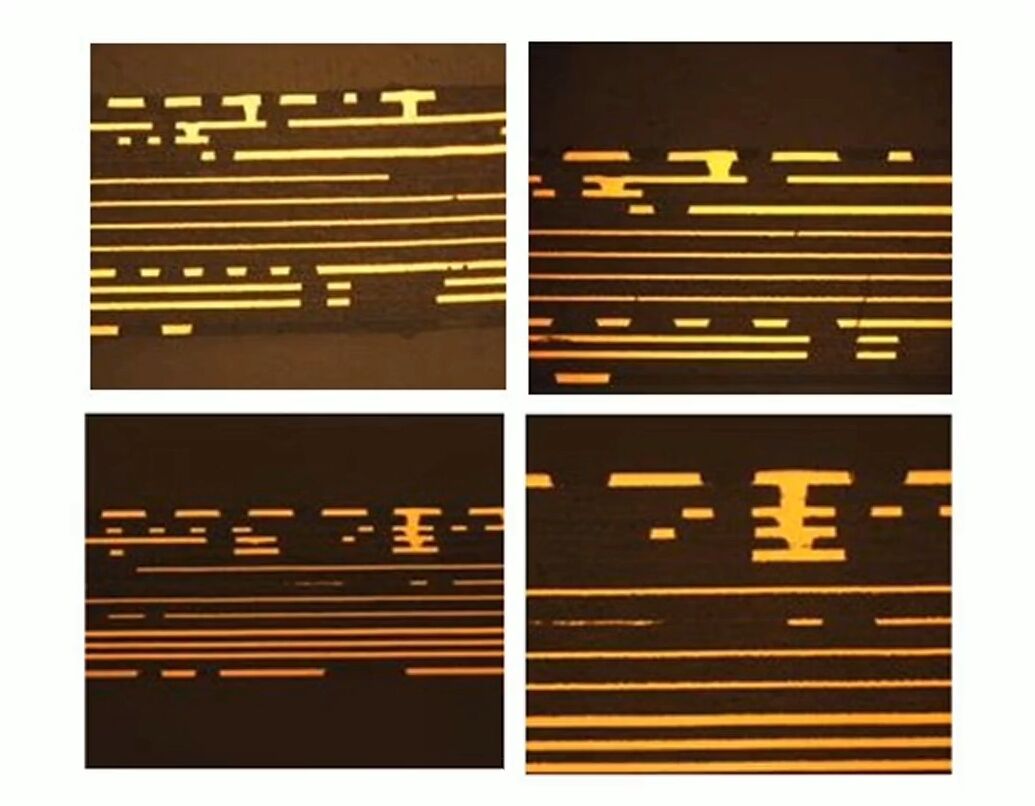
SMT PCB boards excel in their ability to accommodate high-density component placement, revolutionizing electronic device miniaturization. The technology supports ultra-fine pitch components, with some designs achieving component spacing as small as 0.4mm or less. This remarkable density is achieved through precise solder pad design and advanced manufacturing techniques that ensure accurate component alignment. The board's surface mount technology enables the use of smaller package sizes for integrated circuits and passive components, significantly reducing the overall footprint of the finished product. This capability is particularly valuable in industries where space optimization is crucial, such as mobile devices and wearable technology. The advanced integration also supports multi-layer designs, allowing for complex routing solutions and improved signal integrity in high-speed applications.
Enhanced Manufacturing Efficiency and Quality Control

Enhanced Manufacturing Efficiency and Quality Control

The manufacturing process of SMT PCB boards incorporates state-of-the-art automation and quality control measures that ensure exceptional production consistency. Automated optical inspection (AOI) systems and X-ray inspection capabilities enable 100% verification of component placement and solder joint quality. The reflow soldering process used in SMT assembly creates stronger and more reliable connections compared to traditional methods. Manufacturing efficiency is further enhanced by the ability to simultaneously place multiple components, significantly reducing production time. The automated nature of the process minimizes human error and ensures consistent quality across large production runs. Advanced pick-and-place machines can handle components as small as 0201 size (0.6mm x 0.3mm) with high accuracy and speed.
Superior Electrical Performance and Reliability

Superior Electrical Performance and Reliability

SMT PCB boards demonstrate exceptional electrical performance characteristics that make them ideal for high-frequency and sensitive applications. The reduced lead lengths and parasitic effects result in better signal integrity and lower electromagnetic interference. The boards support impedance-controlled transmission lines, essential for high-speed digital circuits and RF applications. The surface mount technology enables better thermal management through improved heat dissipation paths and the option to incorporate thermal vias and copper planes. The reliability of SMT connections is superior under mechanical stress and thermal cycling, with solder joints that maintain integrity even in harsh environmental conditions. The technology also supports advanced testing methods, including in-circuit testing and boundary scan testing, ensuring the functionality and reliability of the finished product.
SMT PCB Board: Advanced Surface Mount Technology for High-Performance Electronic Manufacturing

Get a Free Quote

Our representative will contact you soon.
Email
Name
Company Name
Message
0/1000