pcb board assembly
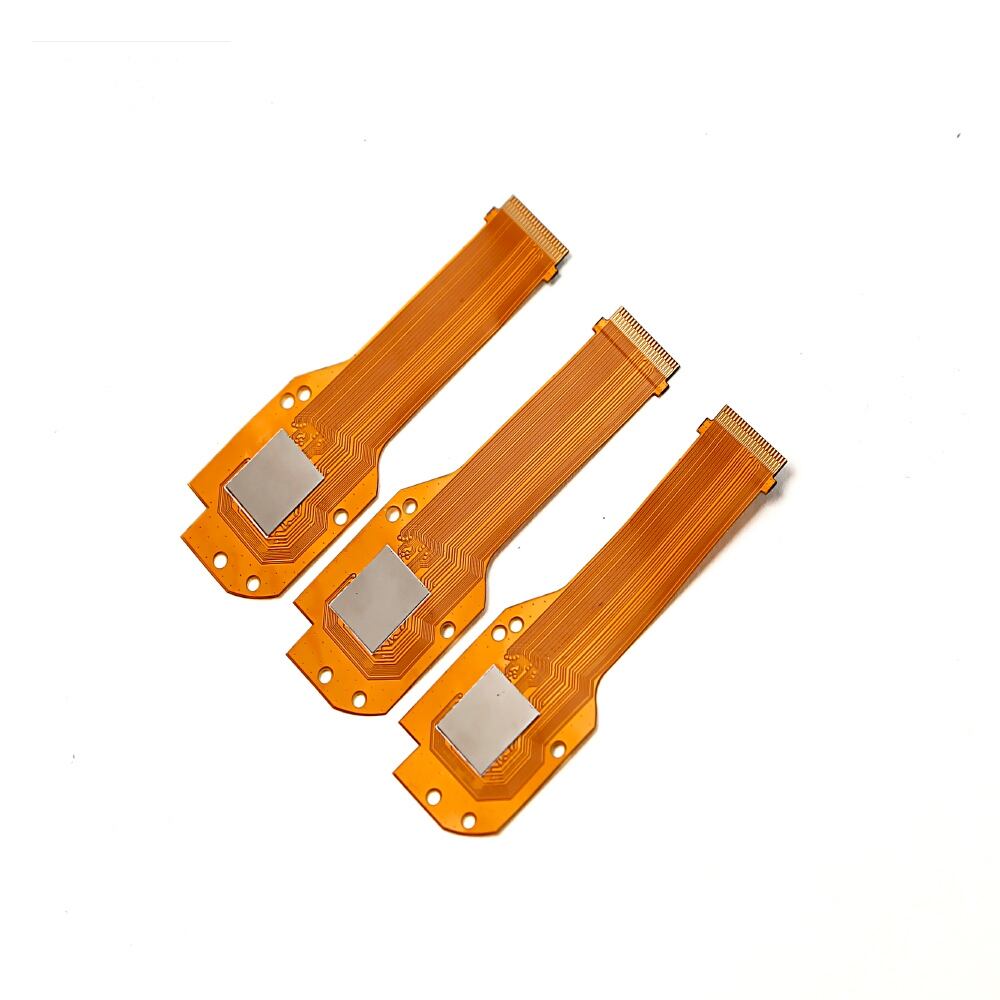
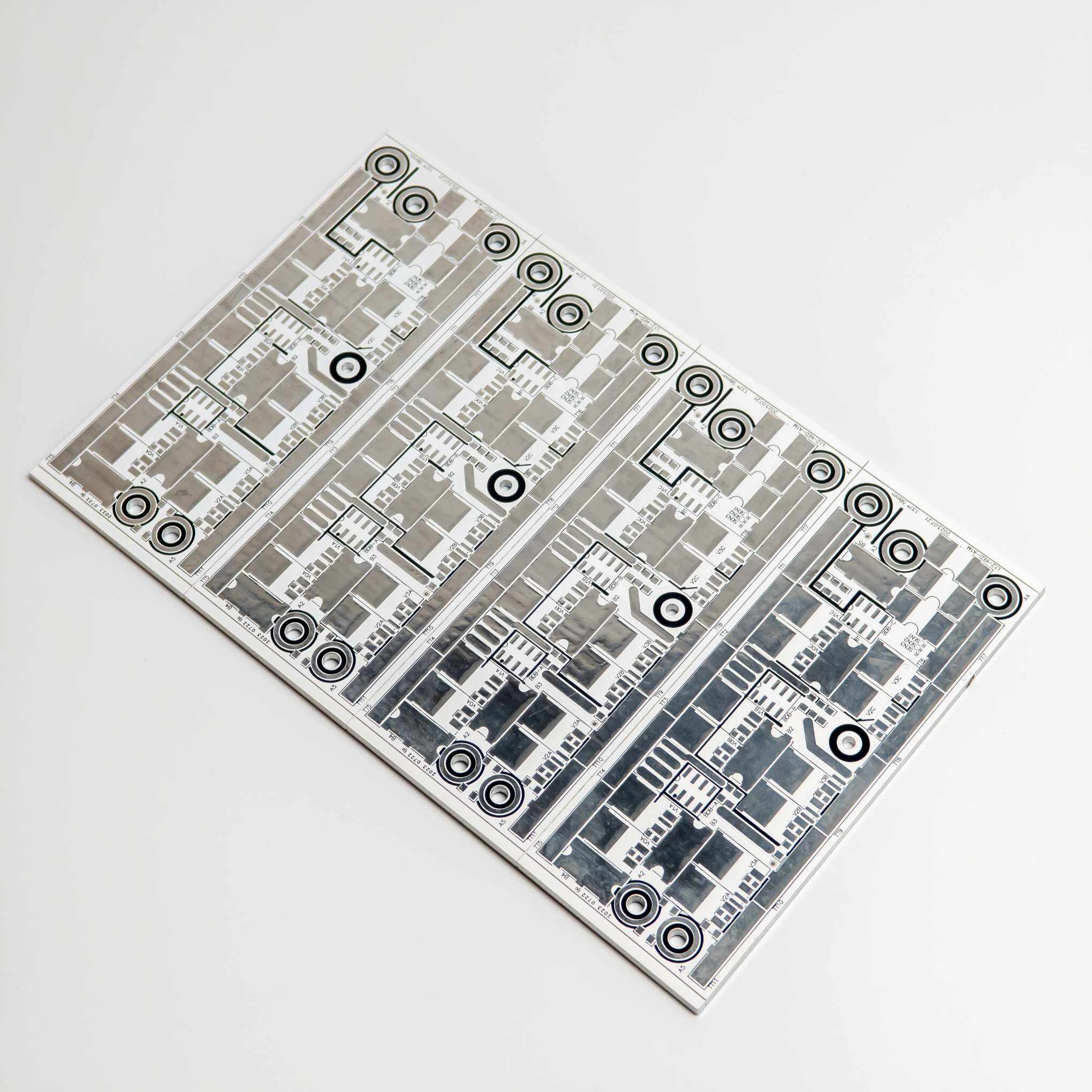
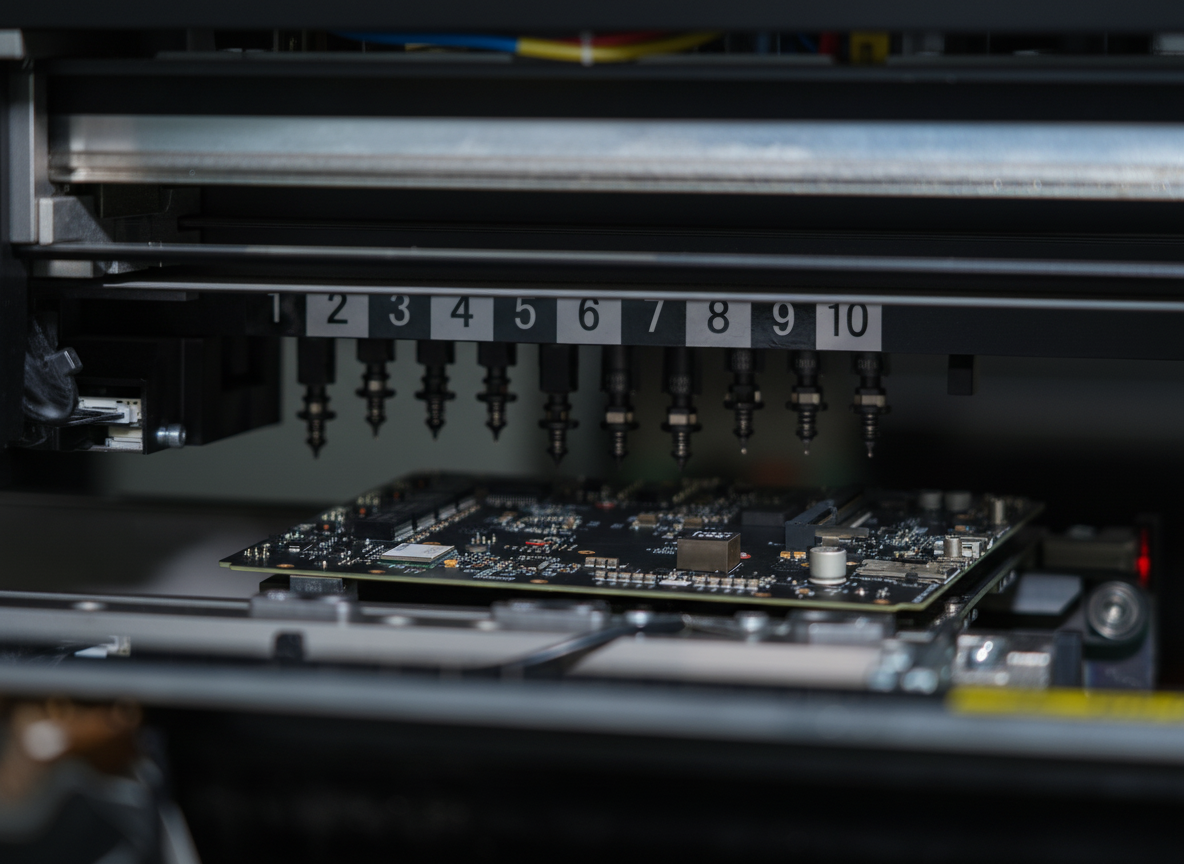
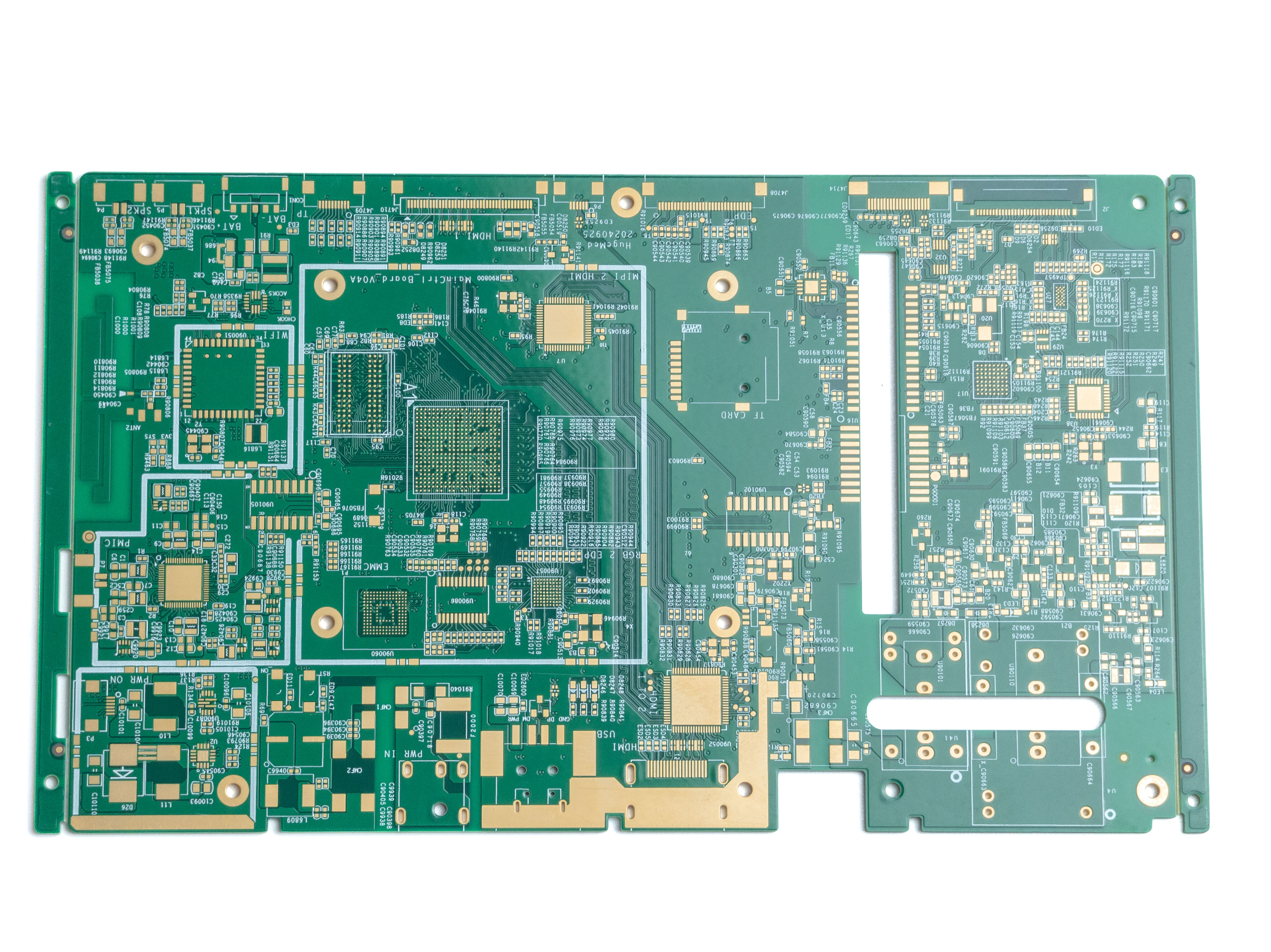
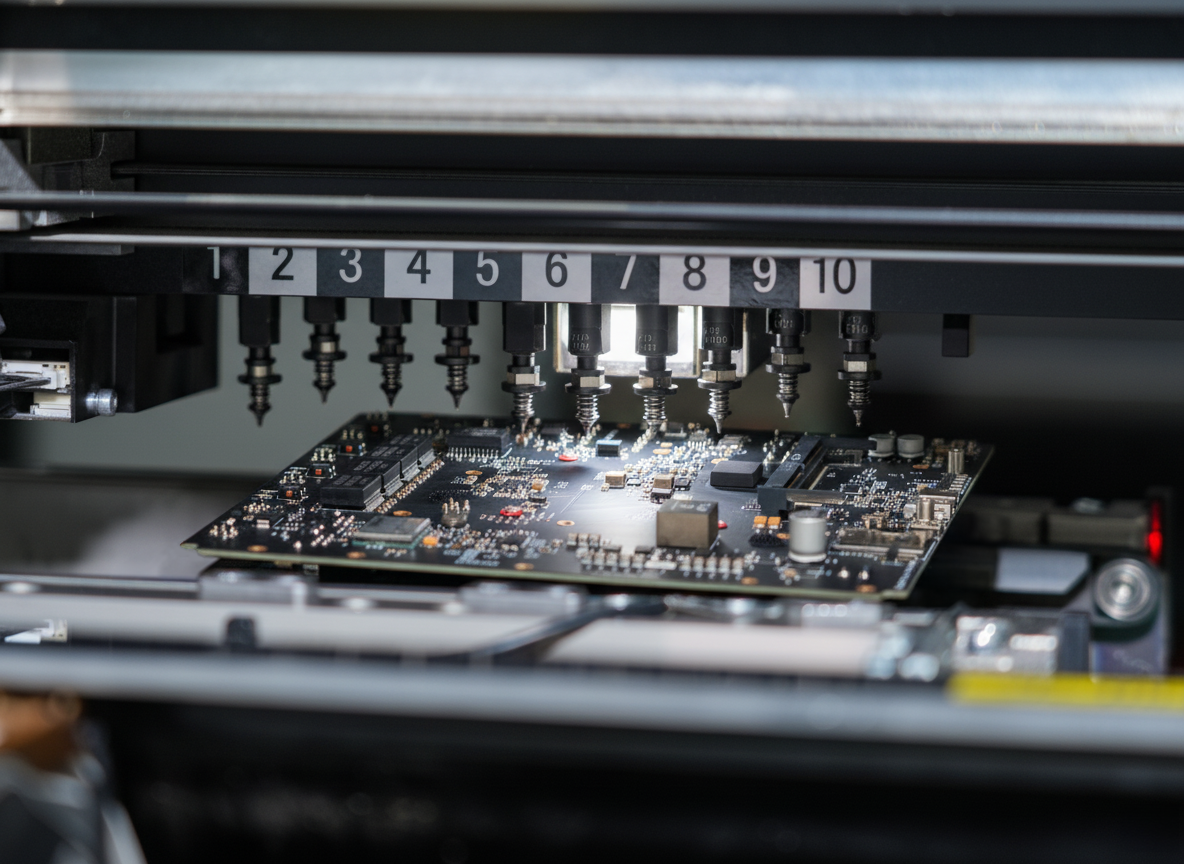
PCB board assembly represents a crucial process in electronics manufacturing where components are mounted and soldered onto printed circuit boards. This sophisticated process combines automated precision with meticulous quality control to create functional electronic circuits. The assembly involves several key stages, including surface mount technology (SMT) placement, through-hole insertion, wave soldering, and inspection procedures. Modern PCB assembly facilities utilize advanced equipment such as pick-and-place machines, reflow ovens, and automated optical inspection systems to ensure optimal component placement and connection quality. The assembly process accommodates various board sizes and complexities, from simple single-layer boards to complex multilayer designs with high-density component placement. These assemblies serve as the backbone for countless electronic devices, from consumer electronics to industrial control systems and medical devices. The process incorporates rigorous testing protocols, including functional testing, environmental stress screening, and burn-in testing to verify reliability and performance standards. PCB board assembly has evolved to meet the increasing demands of miniaturization and functionality in modern electronics, supporting both prototype development and high-volume production requirements.

 EN
EN