pcb and assembly
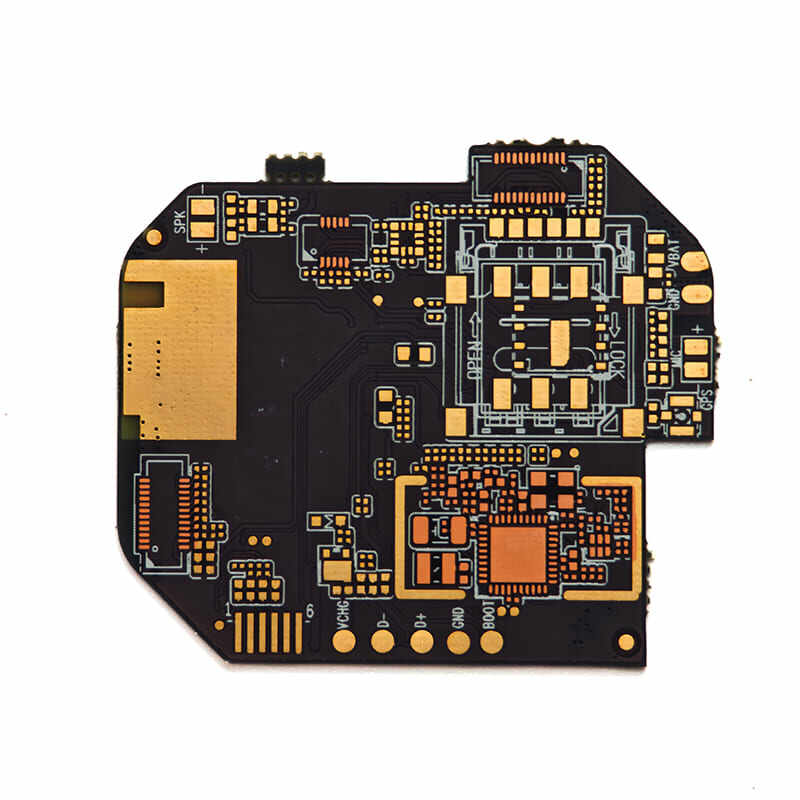
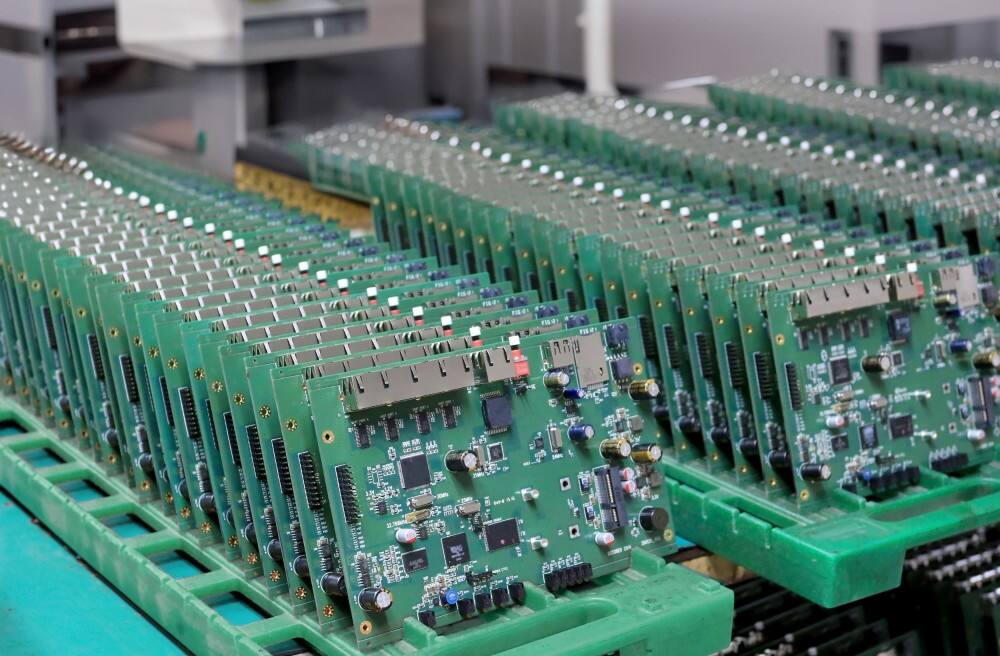
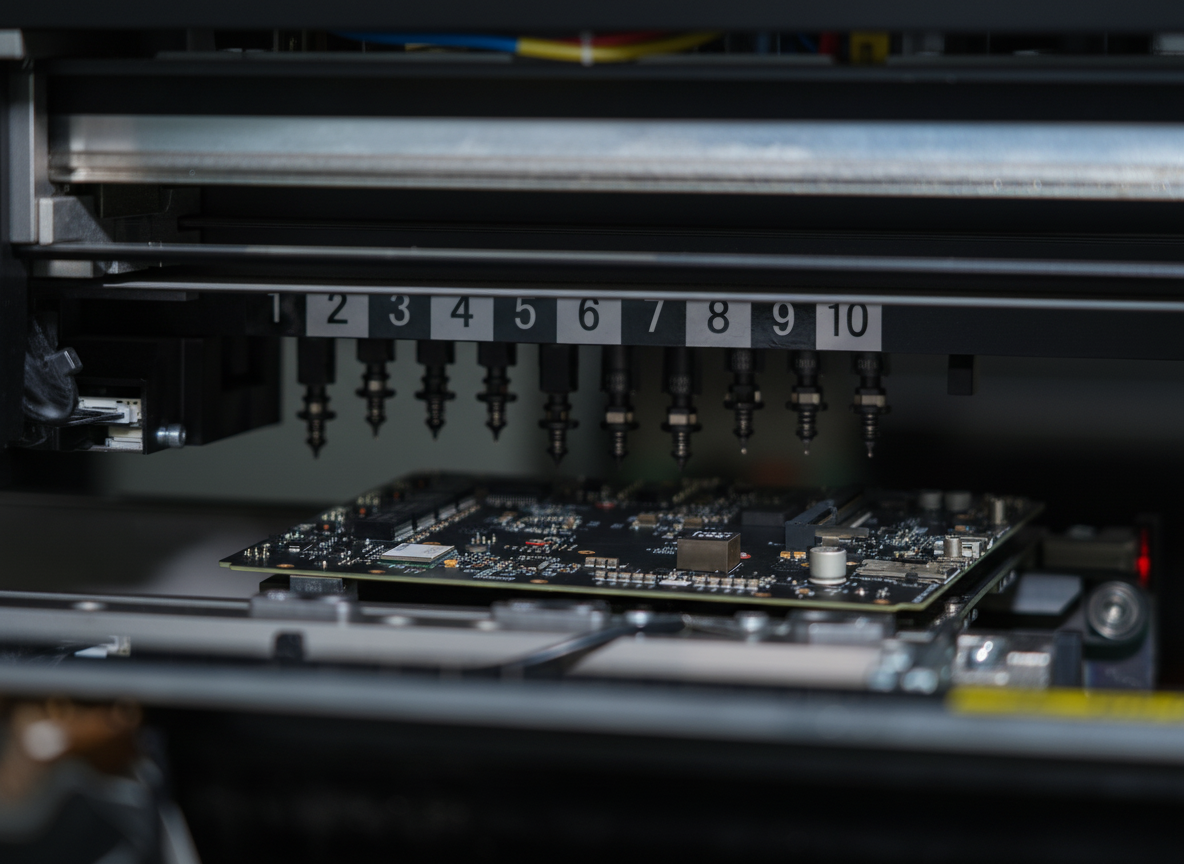
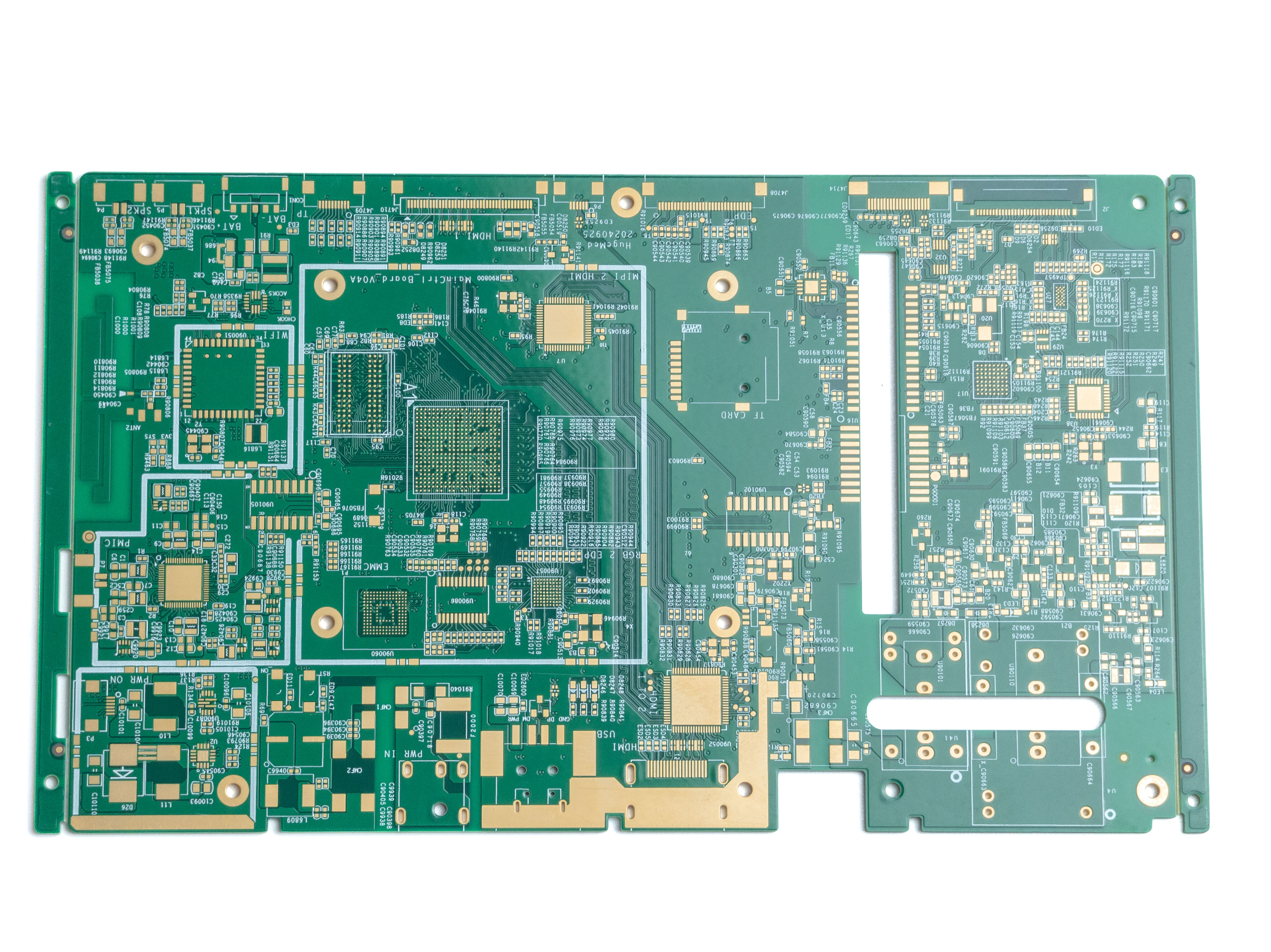
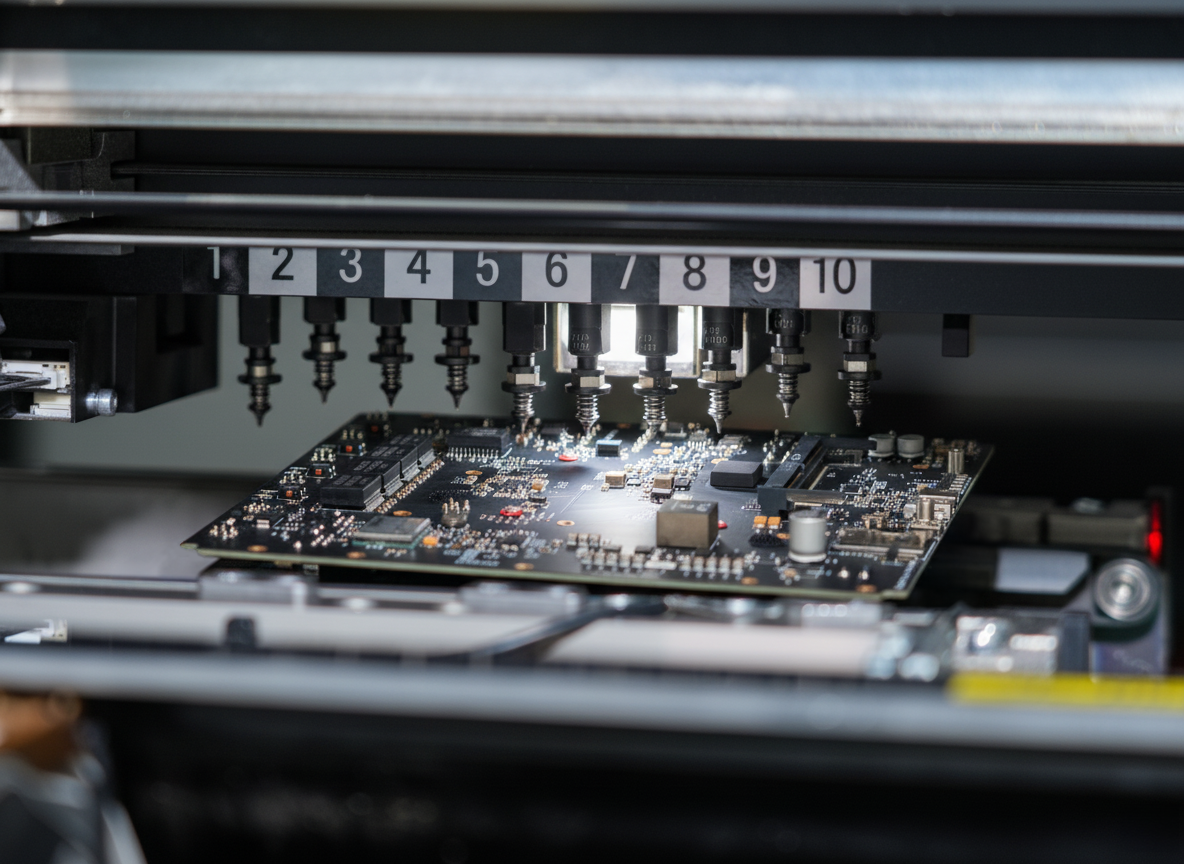
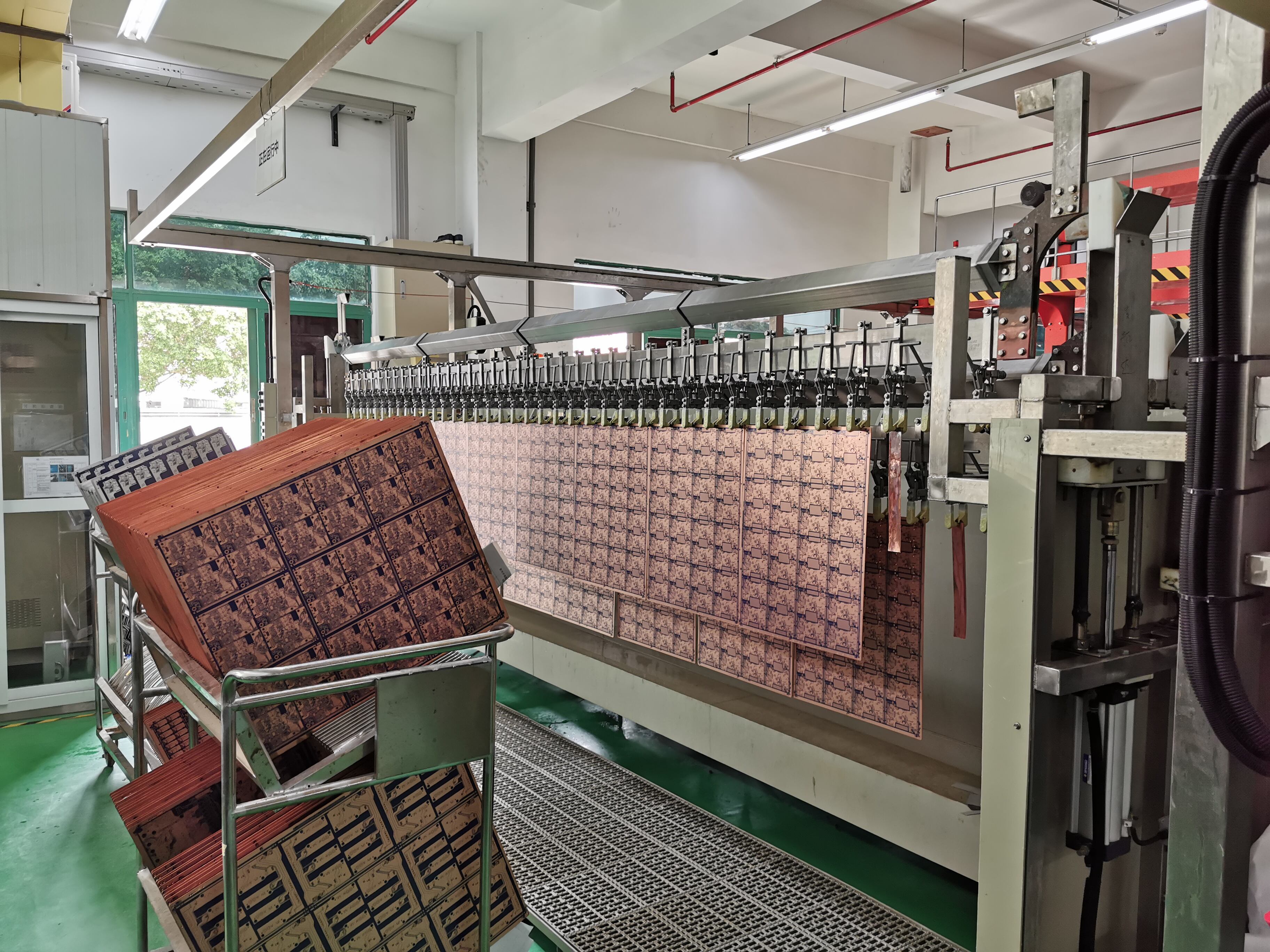
PCB and assembly represent the cornerstone of modern electronics manufacturing, combining sophisticated design principles with precise manufacturing processes. A printed circuit board (PCB) serves as the fundamental platform that mechanically supports and electrically connects electronic components using conductive pathways etched from copper sheets laminated onto a non-conductive substrate. The assembly process involves the precise placement and soldering of components onto these boards, creating functional electronic devices. Modern PCB assembly utilizes advanced technologies such as surface mount technology (SMT) and through-hole mounting, enabling the creation of increasingly compact and complex electronic devices. The manufacturing process encompasses multiple stages, including design verification, component procurement, solder paste application, component placement, reflow soldering, and quality inspection. These boards can be produced in various layers, from single-layer to complex multilayer designs, accommodating different complexity levels of electronic circuits. The integration of automated assembly lines with precision machinery ensures consistent quality and high production efficiency, making PCB assembly an essential process in electronics manufacturing.

 EN
EN