Professional SMT Board Assembly Services: Advanced Electronics Manufacturing Solutions

All Categories

smt board assembly

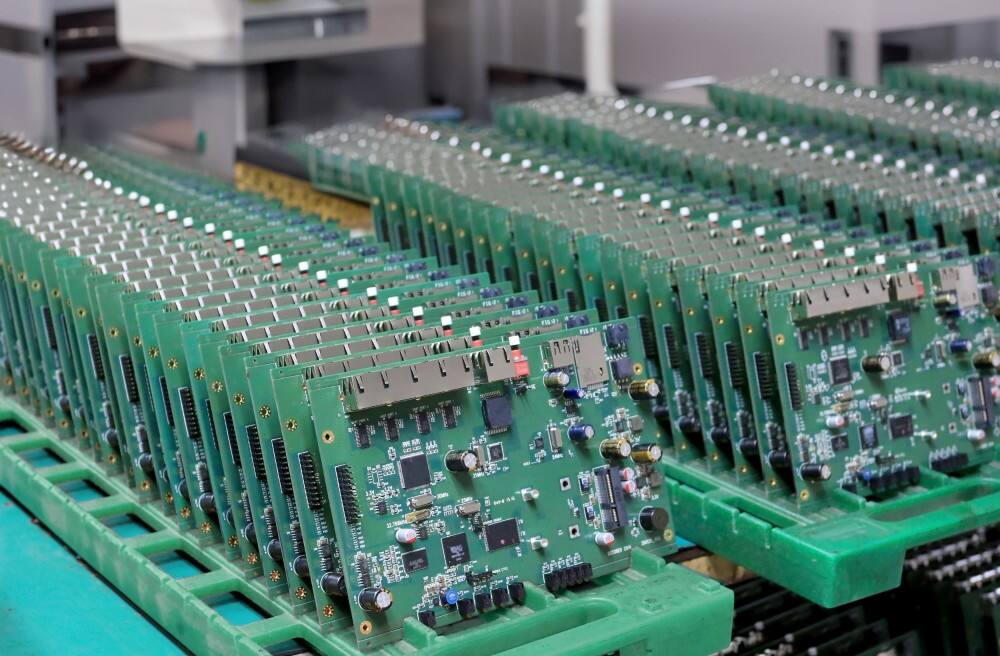
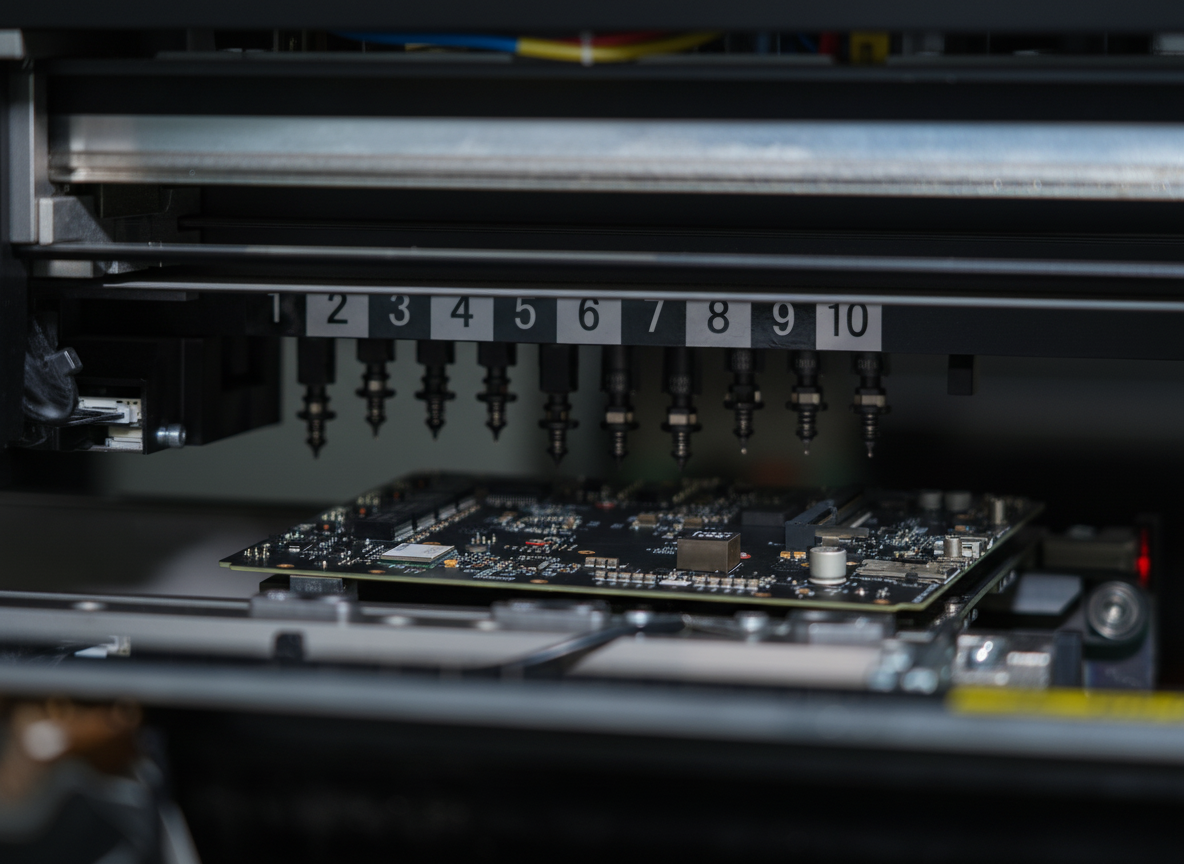
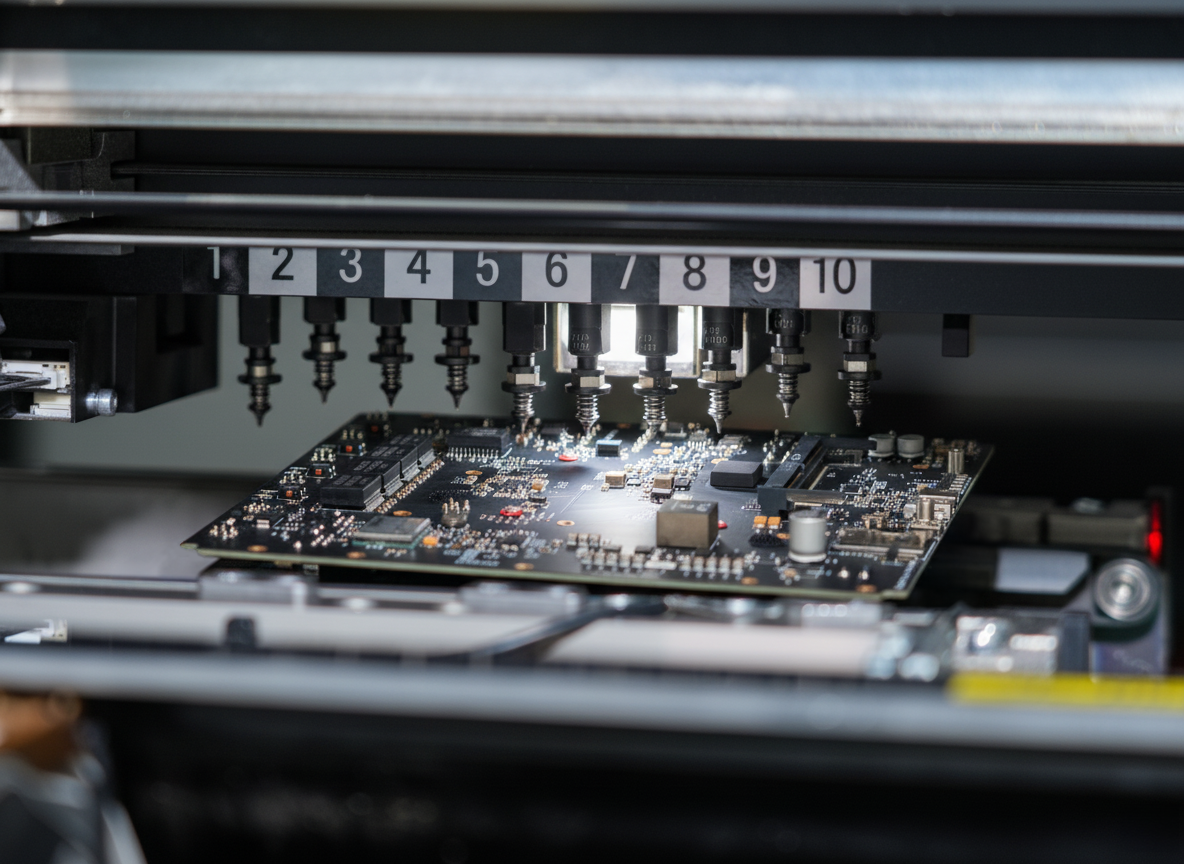
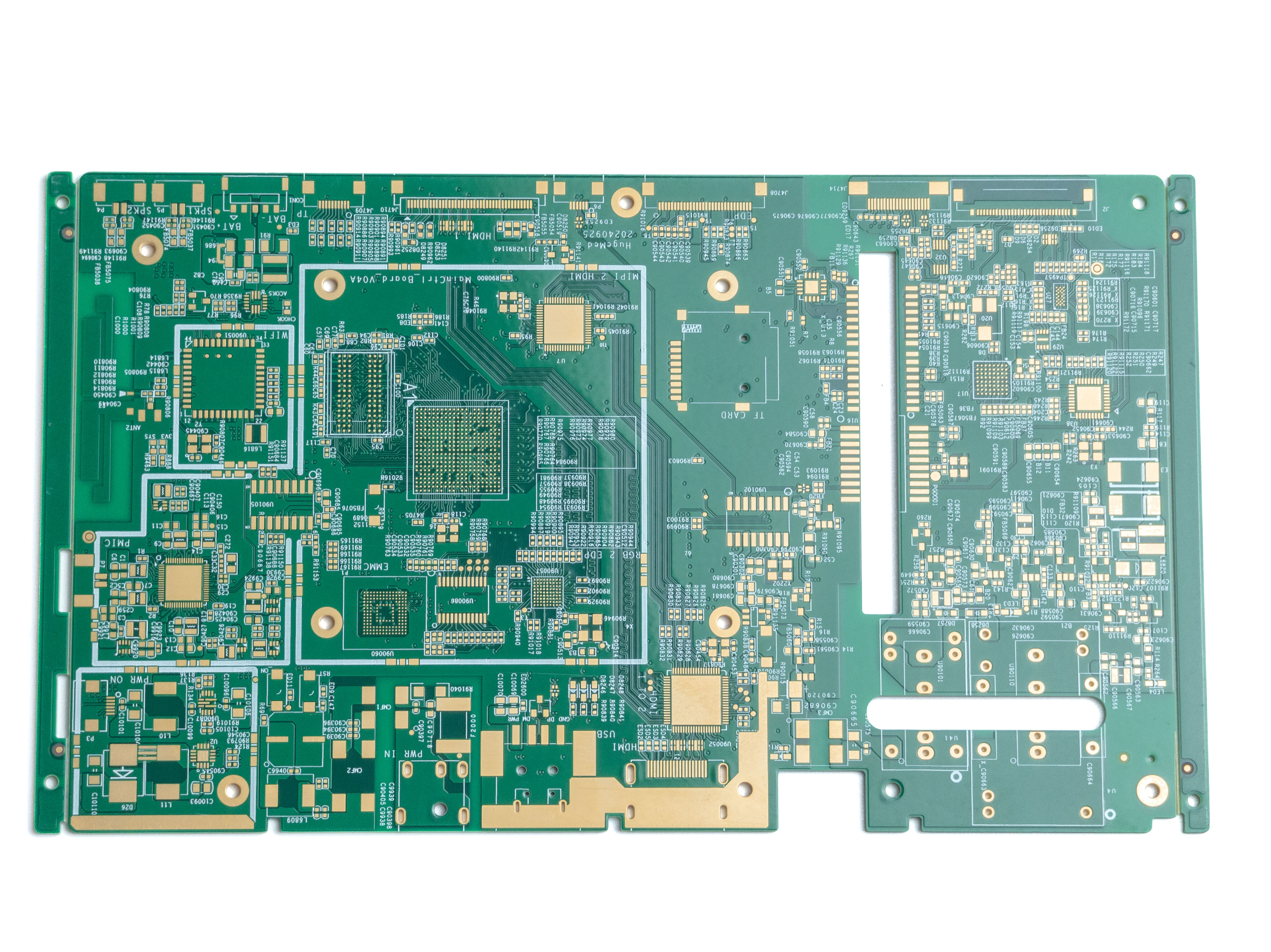
SMT board assembly represents a cutting-edge manufacturing process in electronics production, where components are directly mounted onto the surface of printed circuit boards (PCBs). This sophisticated technology utilizes automated pick-and-place machines to position and secure components with remarkable precision. The process begins with applying solder paste to specific areas on the PCB through a stencil, followed by the precise placement of components using advanced machinery. These components are then permanently attached through a controlled reflow soldering process. The assembly can handle an impressive array of component types, from tiny resistors and capacitors to complex integrated circuits and microprocessors. Modern SMT board assembly facilities incorporate advanced quality control measures, including automated optical inspection (AOI) and X-ray inspection systems, ensuring exceptional product reliability. This technology has revolutionized electronics manufacturing by enabling the production of smaller, more complex devices while maintaining high efficiency and reliability. The versatility of SMT board assembly makes it ideal for various applications, including consumer electronics, automotive systems, medical devices, and industrial control equipment. The process supports both high-volume production runs and specialized prototype development, offering flexibility to meet diverse manufacturing needs.


New Products

SMT board assembly offers numerous compelling advantages that make it the preferred choice for modern electronics manufacturing. First and foremost, it enables significant space optimization on circuit boards, allowing for higher component density and smaller overall product sizes. This miniaturization capability is crucial for developing compact, portable electronic devices. The automated nature of SMT assembly ensures exceptional consistency and accuracy in component placement, resulting in higher product reliability and reduced defect rates. The process also supports faster production speeds compared to traditional through-hole assembly methods, leading to improved manufacturing efficiency and reduced labor costs. Another significant advantage is the reduced material usage, as SMT components typically require less solder and fewer drilling operations. The technology's flexibility allows for quick design modifications and easy updates to existing products, making it ideal for rapid prototyping and product development. SMT assembly also offers superior thermal and electrical performance due to shorter connection paths and better component contact. The process supports a wide range of component types and sizes, from basic passive components to advanced integrated circuits, providing designers with extensive options for product development. The automated inspection capabilities integrated into modern SMT assembly lines ensure consistent quality control and early detection of potential issues. Additionally, the reduced handling of components during assembly minimizes the risk of damage and human error, contributing to higher yield rates and better overall product quality.

Latest News

What Are the Different Types of PCBs and Their Applications?

09

Oct

What Are the Different Types of PCBs and Their Applications?

Understanding Modern Printed Circuit Board Varieties Printed Circuit Boards (PCBs) form the backbone of modern electronics, serving as the foundation for countless devices we use daily. From smartphones to industrial machinery, different types of PCB...
View More
Why Choose PCB Solutions for Industrial Applications?

09

Oct

Why Choose PCB Solutions for Industrial Applications?

The Evolution of PCB Solutions in Modern Industrial Landscapes The industrial sector has witnessed a remarkable transformation with the integration of advanced PCB solutions into its core operations. From automated manufacturing facilities to sophist...
View More
What Problems Can Happen in PCB Circuit Boards and How to Solve Them?

09

Oct

What Problems Can Happen in PCB Circuit Boards and How to Solve Them?

Understanding Common PCB Circuit Board Issues and Their Solutions PCB circuit boards are the backbone of modern electronics, serving as the foundation for countless devices we use daily. From smartphones to industrial machinery, these intricate compo...
View More
Why Choose Professional PCB Manufacturing Services?

09

Oct

Why Choose Professional PCB Manufacturing Services?

The Critical Role of Expert PCB Production in Modern Electronics In today's rapidly evolving electronics industry, the quality and reliability of printed circuit boards (PCBs) have become more crucial than ever. Professional PCB manufacturing service...
View More

Get a Free Quote

Our representative will contact you soon.
Email
Name
Company Name
Message
0/1000

smt board assembly

Advanced Automation and Precision

Advanced Automation and Precision

The SMT board assembly process excels in its implementation of cutting-edge automation technology, delivering unprecedented levels of precision and consistency. The advanced pick-and-place machines can position components with accuracy down to micrometers, ensuring optimal placement for reliable electrical connections. This automation system incorporates sophisticated vision systems that can recognize and verify component orientation and position in real-time, minimizing assembly errors. The precise control of solder paste application through state-of-the-art stencil printing technology ensures consistent solder joints, critical for product reliability. This level of automation not only increases production speed but also maintains consistent quality across large production runs, making it ideal for high-volume manufacturing while reducing human error factors.
Comprehensive Quality Control Integration

Comprehensive Quality Control Integration

Quality control in SMT board assembly encompasses multiple sophisticated inspection stages that ensure exceptional product reliability. The process begins with incoming material inspection and extends through automated optical inspection (AOI) systems that can detect minute defects in component placement and solder joints. X-ray inspection capabilities allow for examination of hidden solder joints beneath components, ensuring internal connections meet quality standards. Advanced thermal profiling systems monitor and control the reflow soldering process, ensuring optimal thermal conditions for proper component attachment. This comprehensive approach to quality control significantly reduces defect rates and ensures consistent product performance, crucial for applications in critical industries such as medical devices and automotive systems.
Manufacturing Flexibility and Scalability

Manufacturing Flexibility and Scalability

SMT board assembly offers remarkable flexibility in manufacturing capabilities, accommodating both high-volume production runs and small-batch prototype development. The automated systems can be quickly reprogrammed to handle different board designs and component configurations, enabling rapid product iterations and customization. This flexibility extends to component variety, allowing for the assembly of boards using both standard and specialized components. The scalable nature of SMT assembly means manufacturers can easily adjust production volumes to meet changing market demands without compromising quality or efficiency. This adaptability makes SMT board assembly particularly valuable for industries with varying production requirements or those needing quick turnaround times for new product development.
Professional SMT Board Assembly Services: Advanced Electronics Manufacturing Solutions

Get a Free Quote

Our representative will contact you soon.
Email
Name
Company Name
Message
0/1000