Advanced SMT Assembly Solutions: Precision Electronics Manufacturing Technology

All Categories

assembly smt

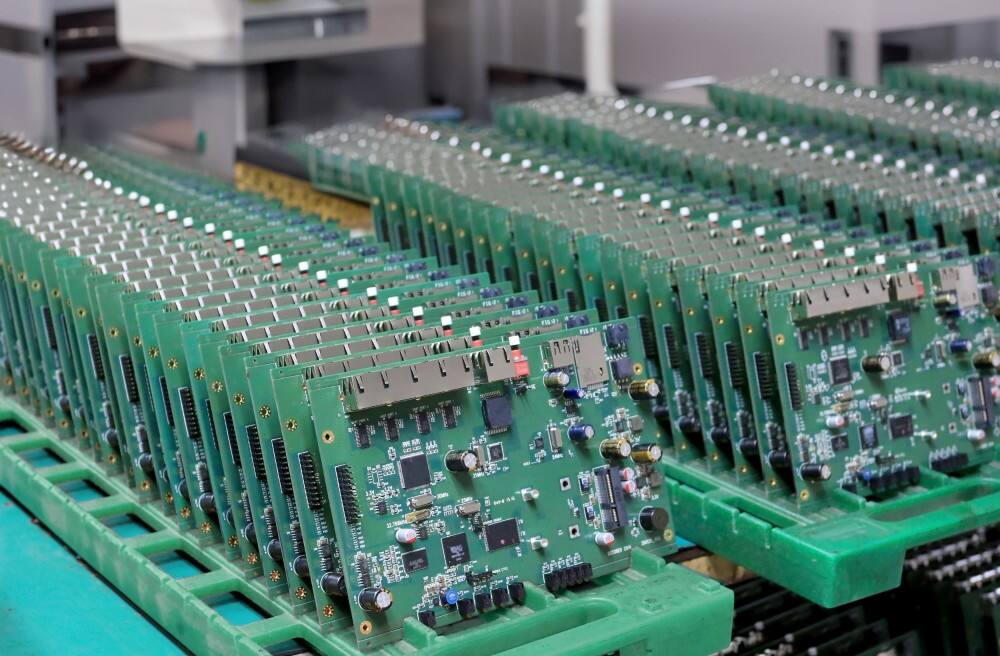
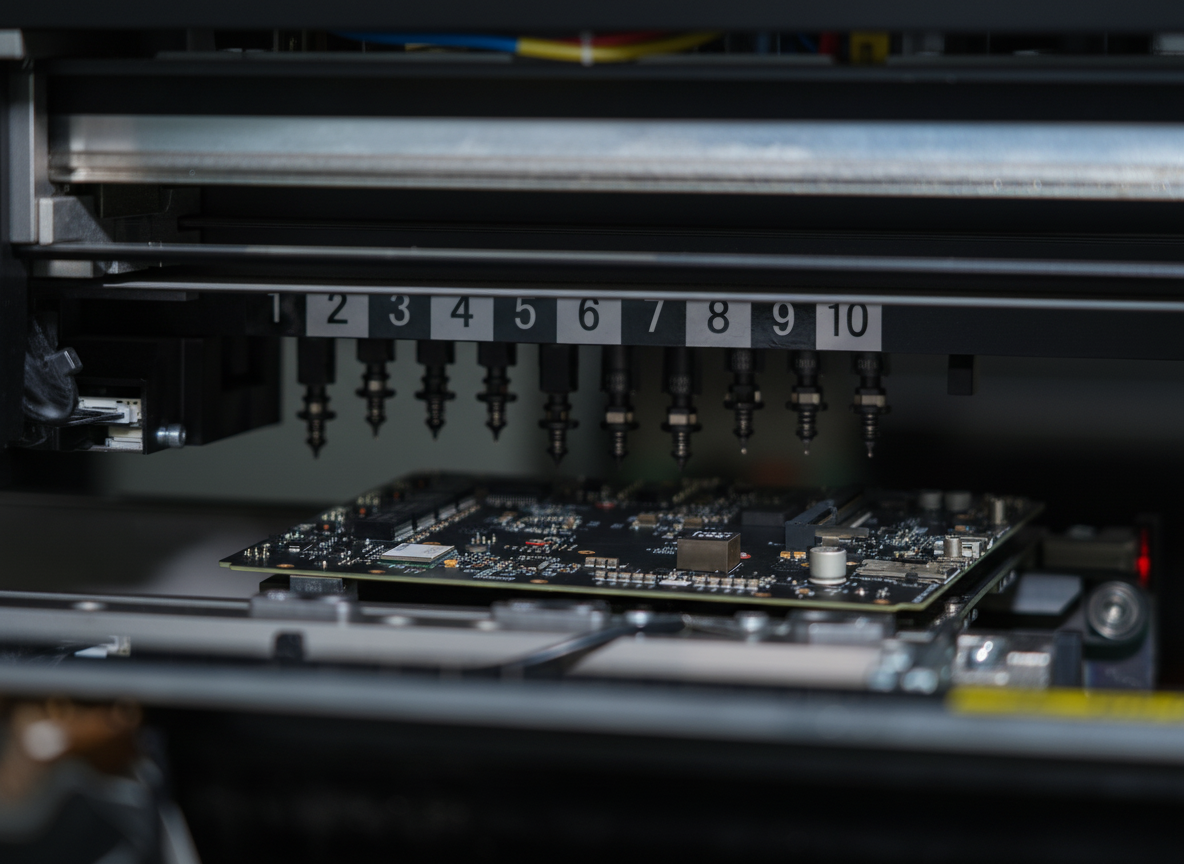
Surface Mount Technology (SMT) assembly represents a revolutionary approach in electronics manufacturing, where components are directly mounted onto the surface of printed circuit boards (PCBs). This advanced manufacturing process has become the industry standard, replacing traditional through-hole technology in many applications. The assembly SMT process begins with applying solder paste to the PCB through a stencil, followed by precise component placement using automated pick-and-place machines. These machines can position thousands of components per hour with exceptional accuracy. The assembled board then passes through a reflow oven, where controlled heat profiles ensure proper solder joint formation. Modern SMT assembly incorporates advanced inspection systems, including Automated Optical Inspection (AOI) and X-ray inspection, ensuring quality and reliability. This technology enables the production of smaller, more complex electronic devices while maintaining high production efficiency. The process accommodates a wide range of component types, from tiny resistors and capacitors to complex integrated circuits, making it versatile for various applications in consumer electronics, automotive systems, medical devices, and industrial equipment.


New Product Recommendations

The assembly SMT process offers numerous compelling advantages that have revolutionized electronic manufacturing. First, it enables significantly higher component density on PCBs, allowing for more compact and sophisticated electronic devices. This increased density results in smaller product footprints while maintaining or improving functionality. The automated nature of SMT assembly ensures consistent quality and reduces human error, leading to higher production reliability. Production speeds are substantially faster compared to traditional methods, with modern SMT lines capable of placing tens of thousands of components per hour. The process also offers superior cost-effectiveness through reduced material usage and labor costs. SMT components typically cost less than their through-hole counterparts, and the automated assembly process requires fewer human operators. The technology provides excellent flexibility in production, allowing quick changeovers between different products and easy scaling of production volumes. Environmental benefits include reduced energy consumption and material waste. The precise nature of SMT assembly results in fewer defects and rework requirements, contributing to overall production efficiency. Additionally, SMT-assembled products typically demonstrate better performance in terms of electrical characteristics and resistance to mechanical stress, particularly in applications involving vibration or shock. The technology also supports the trend toward miniaturization in electronics, enabling the development of increasingly sophisticated portable devices.

Latest News

What Are the Different Types of PCBs and Their Applications?

09

Oct

What Are the Different Types of PCBs and Their Applications?

Understanding Modern Printed Circuit Board Varieties Printed Circuit Boards (PCBs) form the backbone of modern electronics, serving as the foundation for countless devices we use daily. From smartphones to industrial machinery, different types of PCB...
View More
Why Choose PCB Solutions for Industrial Applications?

09

Oct

Why Choose PCB Solutions for Industrial Applications?

The Evolution of PCB Solutions in Modern Industrial Landscapes The industrial sector has witnessed a remarkable transformation with the integration of advanced PCB solutions into its core operations. From automated manufacturing facilities to sophist...
View More
What Problems Can Happen in PCB Circuit Boards and How to Solve Them?

09

Oct

What Problems Can Happen in PCB Circuit Boards and How to Solve Them?

Understanding Common PCB Circuit Board Issues and Their Solutions PCB circuit boards are the backbone of modern electronics, serving as the foundation for countless devices we use daily. From smartphones to industrial machinery, these intricate compo...
View More
How Are PCBs Manufactured? Key Steps and Processes Explained

09

Oct

How Are PCBs Manufactured? Key Steps and Processes Explained

Understanding the Complex Journey of Circuit Board Production PCB manufacturing has revolutionized the electronics industry, enabling the creation of increasingly sophisticated devices that power our modern world. From smartphones to medical equipmen...
View More

Get a Free Quote

Our representative will contact you soon.
Email
Name
Company Name
Message
0/1000

assembly smt

Advanced Automation and Precision

Advanced Automation and Precision

The assembly SMT process leverages cutting-edge automation technology to achieve unprecedented levels of precision and consistency. Modern SMT equipment utilizes sophisticated vision systems and precise motion control to place components with accuracy down to micrometers. This level of precision is crucial for handling increasingly miniature components and ensuring reliable connections. The automated systems continuously monitor and adjust parameters such as placement force, alignment, and speed, maintaining optimal performance throughout production runs. This automation extends to quality control, where advanced inspection systems can detect and flag potential issues before they become problems, significantly reducing defect rates and improving overall product reliability.
Flexibility and Scalability

Flexibility and Scalability

One of the most significant advantages of assembly SMT is its remarkable flexibility in handling different product types and production volumes. The system can be quickly reconfigured to accommodate various board designs and component types, making it ideal for both high-volume manufacturing and small batch production. Modern SMT lines feature rapid changeover capabilities, minimizing downtime between different product runs. The scalable nature of SMT assembly allows manufacturers to easily adjust production capacity based on demand, whether scaling up for mass production or scaling down for prototype development. This flexibility extends to component handling, as SMT can work with an extensive range of component sizes and types, from tiny 01005 components to large BGA packages.
Cost-Effective Production Solution

Cost-Effective Production Solution

Assembly SMT represents a highly cost-effective solution for electronic manufacturing, offering multiple avenues for cost reduction and efficiency improvement. The automated nature of the process significantly reduces labor costs while maintaining high quality standards. The higher component density achievable with SMT reduces the required board size, resulting in material cost savings. The process's high accuracy and reliability lead to fewer defects and reduced rework requirements, further contributing to cost savings. Additionally, the energy efficiency of modern SMT equipment, combined with optimized material usage, results in lower operating costs. The ability to quickly adjust production parameters and change between different products also helps minimize setup costs and inventory requirements, making it an economically advantageous choice for manufacturers of all sizes.
Advanced SMT Assembly Solutions: Precision Electronics Manufacturing Technology

Get a Free Quote

Our representative will contact you soon.
Email
Name
Company Name
Message
0/1000