SMT Circuit Boards: Advanced Electronics Manufacturing Solutions for Superior Performance and Reliability

All Categories

smt circuit board

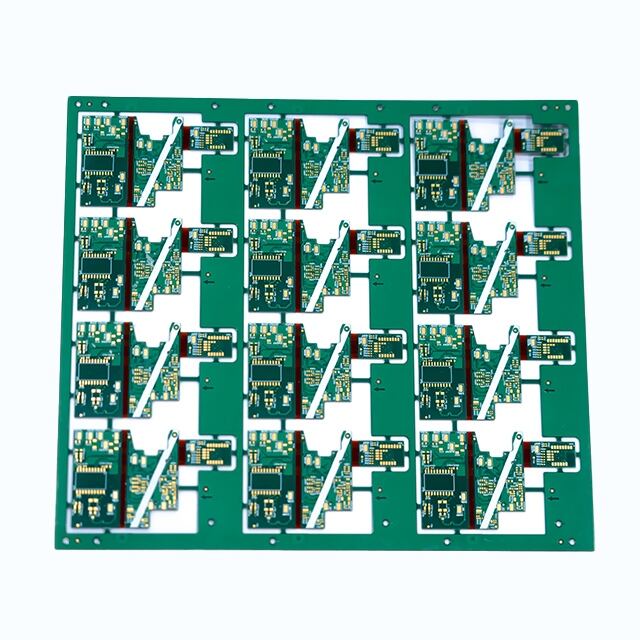
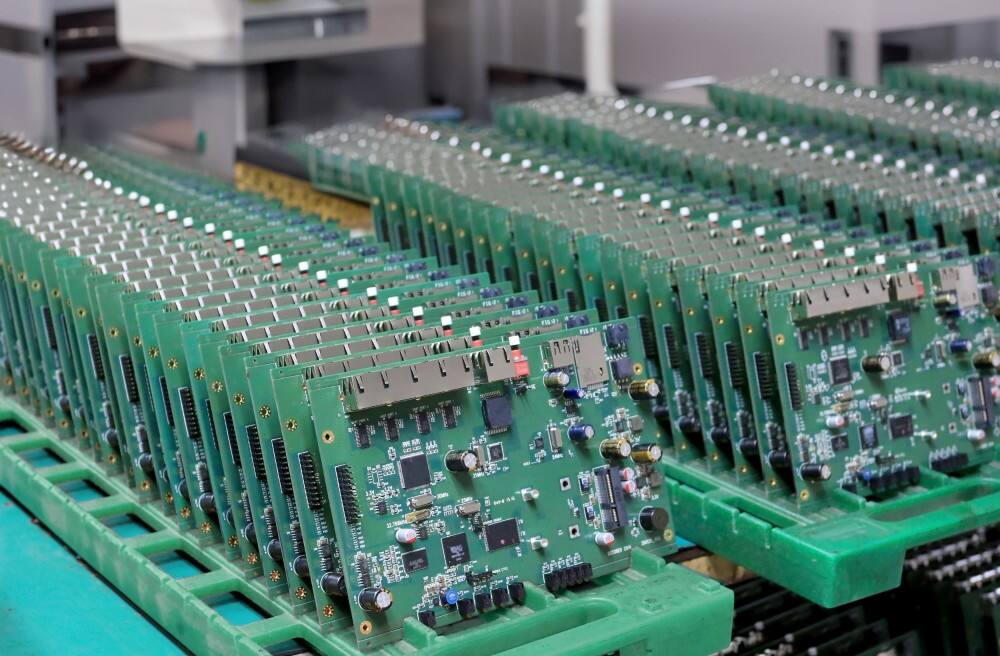
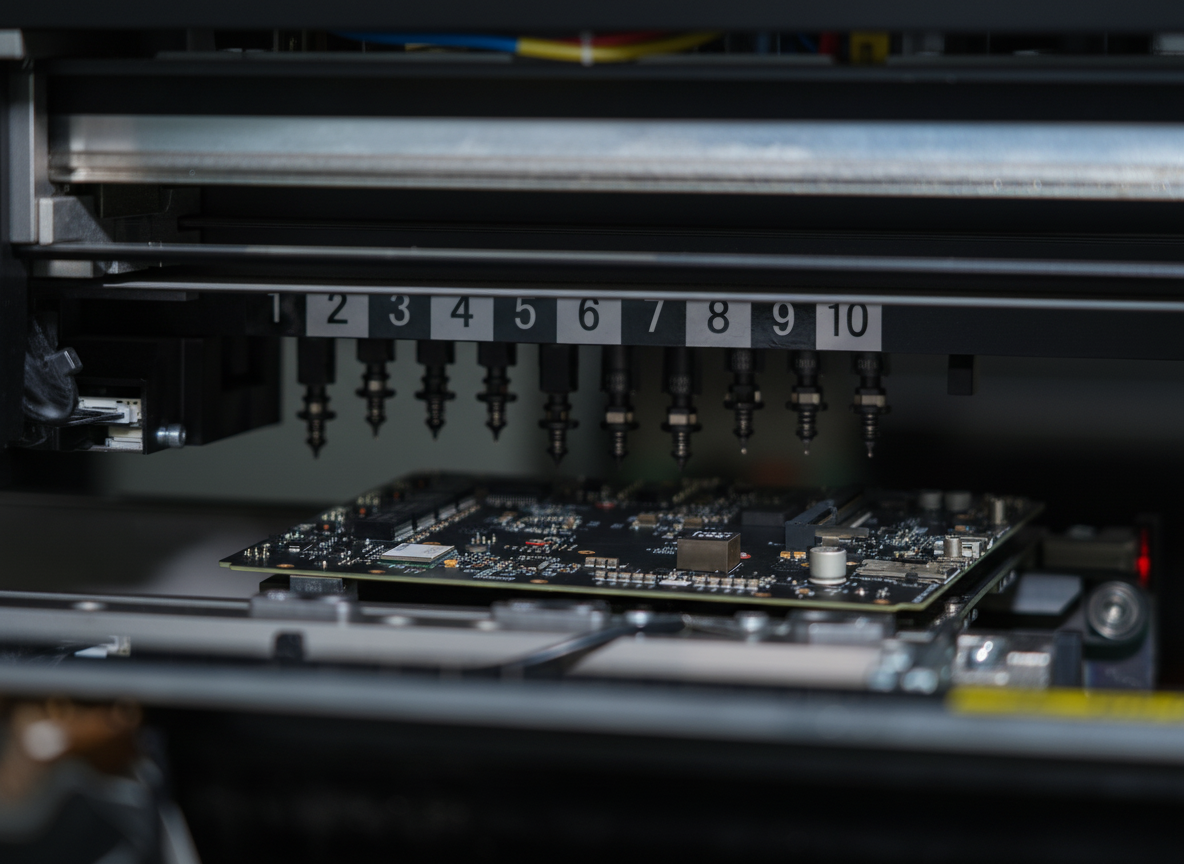
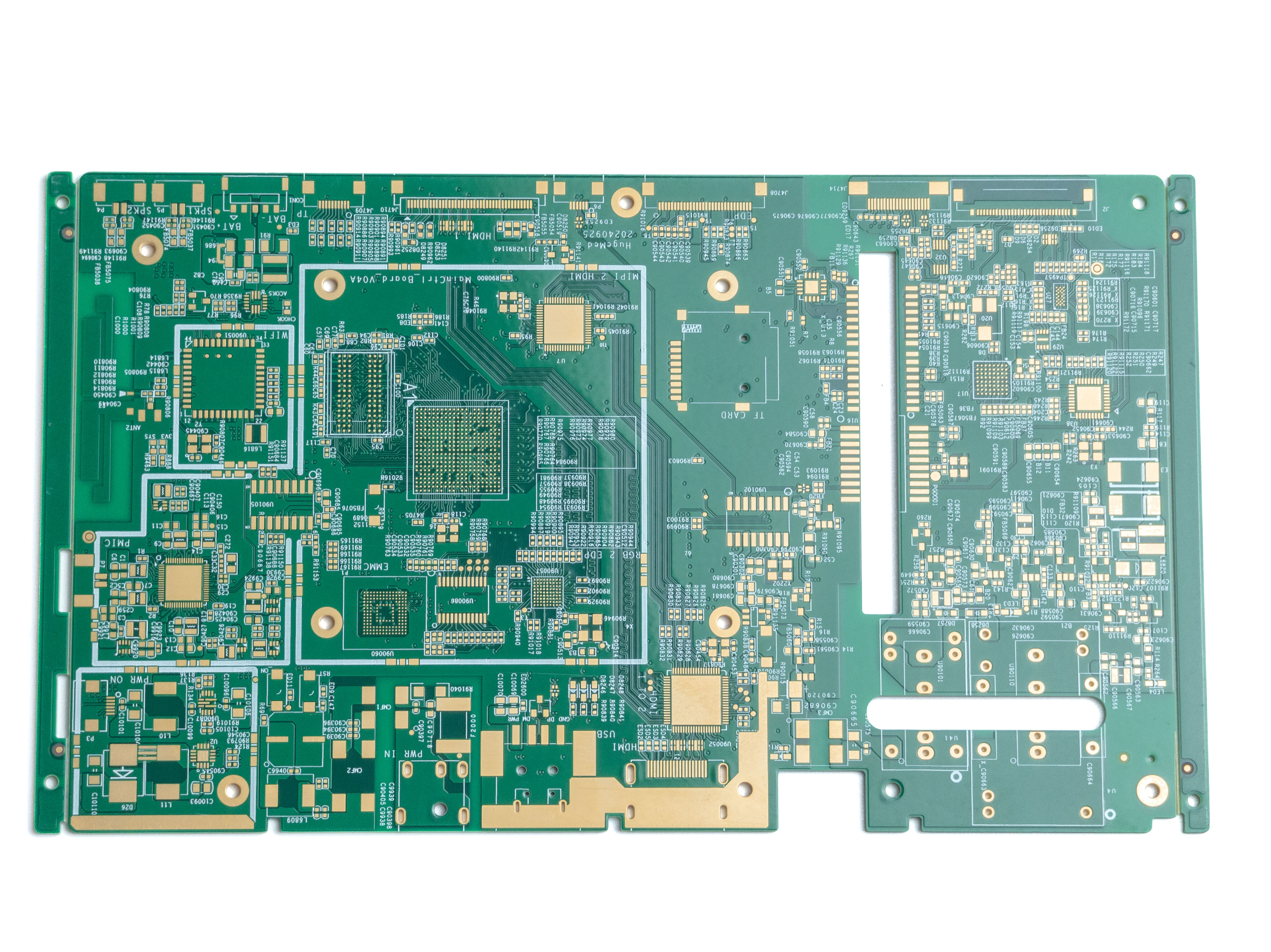
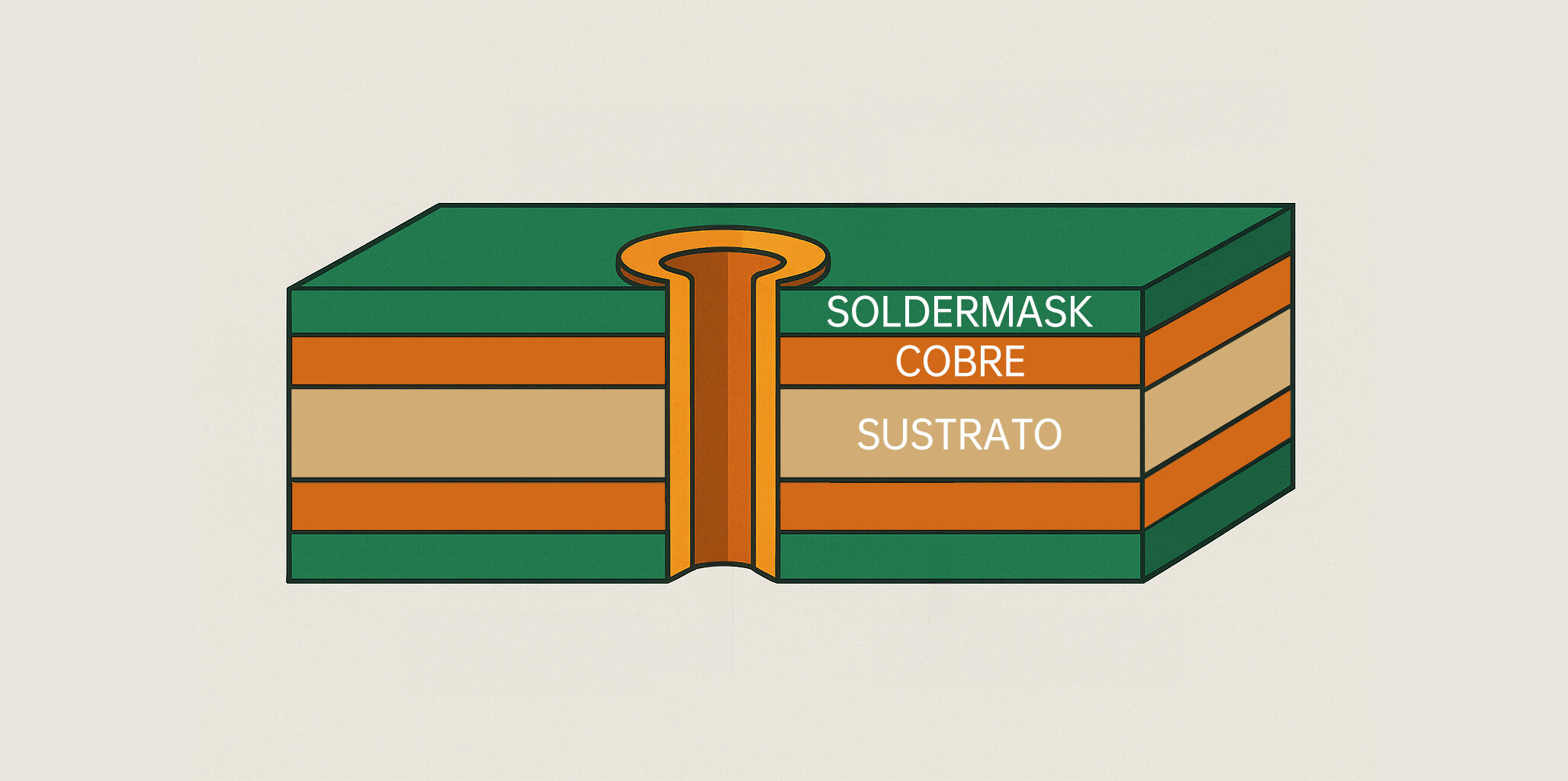
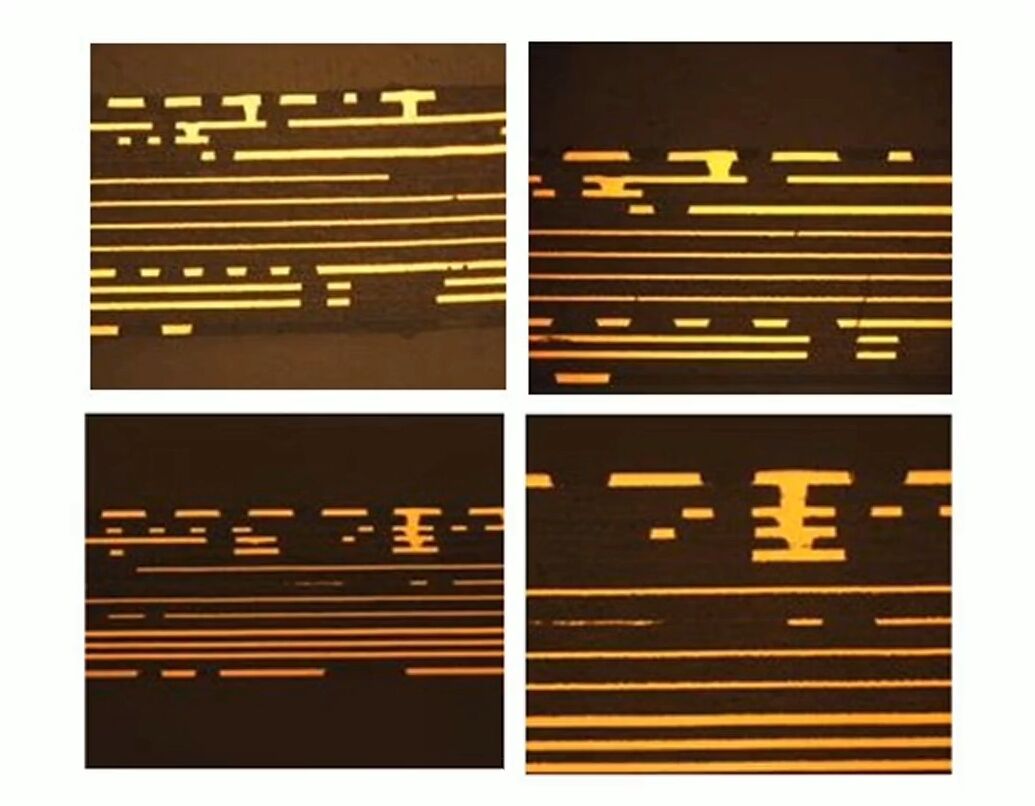
SMT (Surface Mount Technology) circuit boards represent a revolutionary advancement in electronic manufacturing, featuring components mounted directly onto the surface of printed circuit boards. These sophisticated boards are characterized by their compact design and high-density component placement capabilities. The manufacturing process involves precise placement of components using automated pick-and-place machines, followed by reflow soldering to create reliable electrical connections. SMT circuit boards excel in miniaturization, allowing for the creation of smaller, lighter electronic devices while maintaining superior performance. They support both single-sided and double-sided component mounting, maximizing space utilization and enabling complex circuit designs. The boards incorporate advanced features such as fine-pitch component placement, integrated thermal management systems, and multi-layer configurations. In modern electronics, SMT circuit boards find applications across numerous sectors, including consumer electronics, automotive systems, medical devices, and industrial equipment. They are particularly valuable in products requiring high reliability, reduced size, and enhanced functionality. The technology also supports advanced manufacturing processes like automated optical inspection and X-ray testing, ensuring product quality and reliability.


New Product Releases

SMT circuit boards offer numerous compelling advantages that make them the preferred choice in modern electronics manufacturing. First and foremost, they enable significant size reduction in electronic devices, typically achieving up to 75% space savings compared to traditional through-hole technology. This miniaturization capability doesn't compromise functionality; instead, it allows for higher component density and more complex circuits in a smaller footprint. The automated manufacturing process of SMT boards ensures consistent quality and reduces human error, leading to higher production reliability and yield rates. Cost-effectiveness is another major advantage, as SMT assembly requires fewer drilling operations and uses less material than conventional methods. The technology supports faster production speeds, with modern SMT lines capable of placing thousands of components per hour. From a performance perspective, SMT boards exhibit superior electrical characteristics due to shorter connection paths and reduced parasitic effects. They also demonstrate better shock and vibration resistance, making them ideal for portable devices and automotive applications. The versatility of SMT allows for both simple and complex designs, accommodating various component types and sizes on the same board. Environmental benefits include reduced material waste and lower energy consumption during manufacturing. Additionally, SMT boards facilitate easier automated testing and quality control processes, ensuring higher product reliability and reducing post-production issues.

Practical Tips

What Are the Different Types of PCBs and Their Applications?

09

Oct

What Are the Different Types of PCBs and Their Applications?

Understanding Modern Printed Circuit Board Varieties Printed Circuit Boards (PCBs) form the backbone of modern electronics, serving as the foundation for countless devices we use daily. From smartphones to industrial machinery, different types of PCB...
View More
Why Choose PCB Solutions for Industrial Applications?

09

Oct

Why Choose PCB Solutions for Industrial Applications?

The Evolution of PCB Solutions in Modern Industrial Landscapes The industrial sector has witnessed a remarkable transformation with the integration of advanced PCB solutions into its core operations. From automated manufacturing facilities to sophist...
View More
What Problems Can Happen in PCB Circuit Boards and How to Solve Them?

09

Oct

What Problems Can Happen in PCB Circuit Boards and How to Solve Them?

Understanding Common PCB Circuit Board Issues and Their Solutions PCB circuit boards are the backbone of modern electronics, serving as the foundation for countless devices we use daily. From smartphones to industrial machinery, these intricate compo...
View More
How Are PCBs Manufactured? Key Steps and Processes Explained

09

Oct

How Are PCBs Manufactured? Key Steps and Processes Explained

Understanding the Complex Journey of Circuit Board Production PCB manufacturing has revolutionized the electronics industry, enabling the creation of increasingly sophisticated devices that power our modern world. From smartphones to medical equipmen...
View More

Get a Free Quote

Our representative will contact you soon.
Email
Name
Company Name
Message
0/1000

smt circuit board

Advanced Miniaturization Capabilities

Advanced Miniaturization Capabilities

SMT circuit boards excel in achieving unprecedented levels of miniaturization in electronic devices. This capability is made possible through advanced component placement techniques that allow for ultra-fine pitch mounting, sometimes as small as 0.4mm or less between components. The technology enables the placement of components on both sides of the board, effectively doubling the available space for circuit implementation. This miniaturization doesn't just reduce size; it also improves signal integrity by shortening electrical paths between components. The reduced board size leads to decreased signal travel time, reduced electromagnetic interference, and improved overall circuit performance. This feature is particularly crucial in modern electronic devices where space is at a premium, such as smartphones, wearable technology, and medical implants.
Enhanced Manufacturing Efficiency

Enhanced Manufacturing Efficiency

The manufacturing process of SMT circuit boards represents a significant leap forward in production efficiency. The automated assembly process utilizes sophisticated pick-and-place machines that can accurately position thousands of components per hour, dramatically reducing production time compared to traditional methods. Quality control is enhanced through automated optical inspection systems that can detect defects with microscopic precision. The reflow soldering process used in SMT assembly creates more reliable connections than hand-soldering, resulting in fewer defects and higher yield rates. This efficient manufacturing process also reduces labor costs and minimizes the risk of human error, making it highly cost-effective for both small and large production runs.
Superior Thermal and Mechanical Performance

Superior Thermal and Mechanical Performance

SMT circuit boards demonstrate exceptional thermal and mechanical performance characteristics that set them apart in the electronics industry. The technology incorporates advanced thermal management features, including thermal vias and copper planes, which efficiently dissipate heat from components. This superior thermal management capability allows for higher power density and improved reliability in demanding applications. Mechanically, SMT components have better resistance to shock and vibration compared to through-hole components, as they have a lower profile and larger mounting surface area. This enhanced mechanical stability makes SMT boards ideal for use in harsh environments and applications subject to frequent movement or vibration, such as automotive systems and portable devices.
SMT Circuit Boards: Advanced Electronics Manufacturing Solutions for Superior Performance and Reliability

Get a Free Quote

Our representative will contact you soon.
Email
Name
Company Name
Message
0/1000