pcb smt
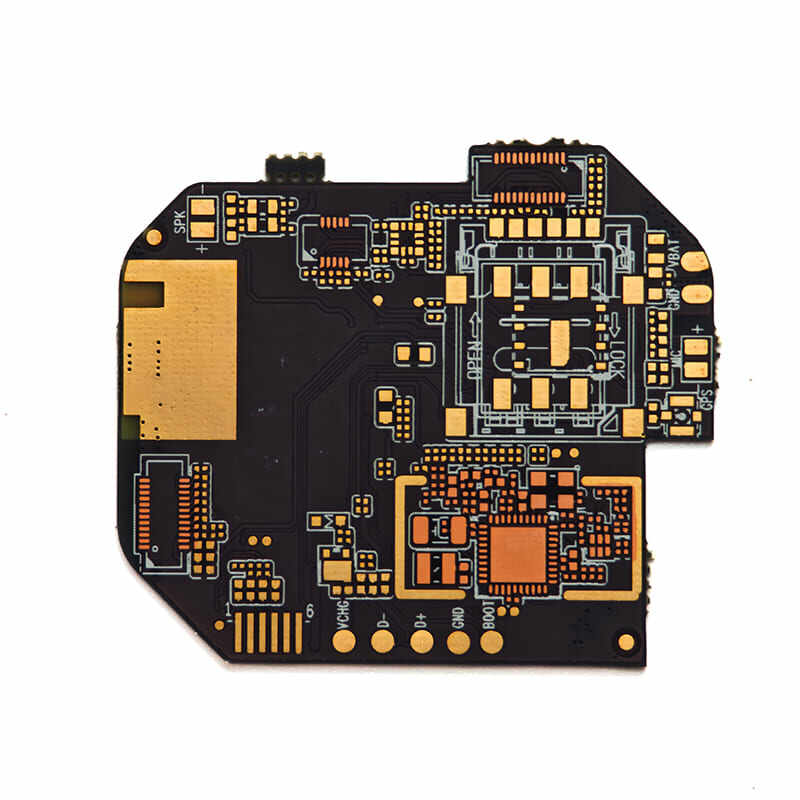
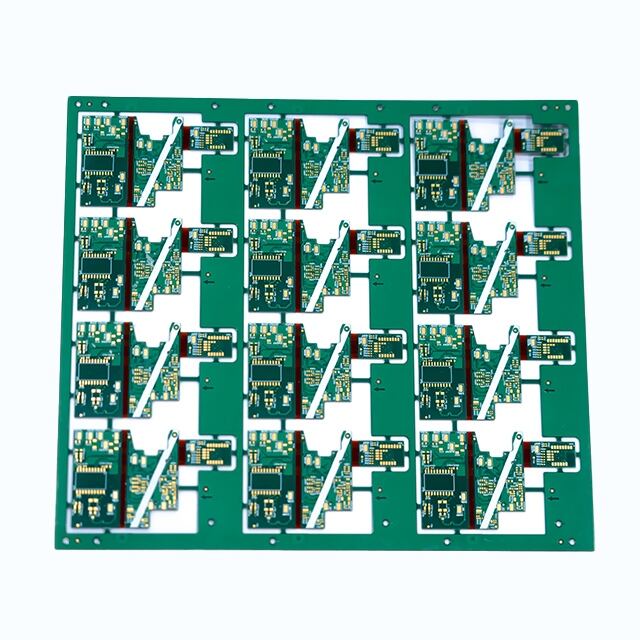
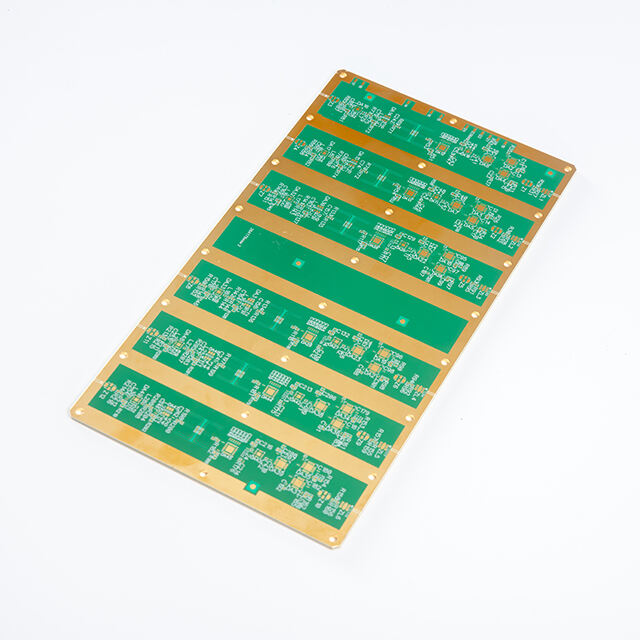
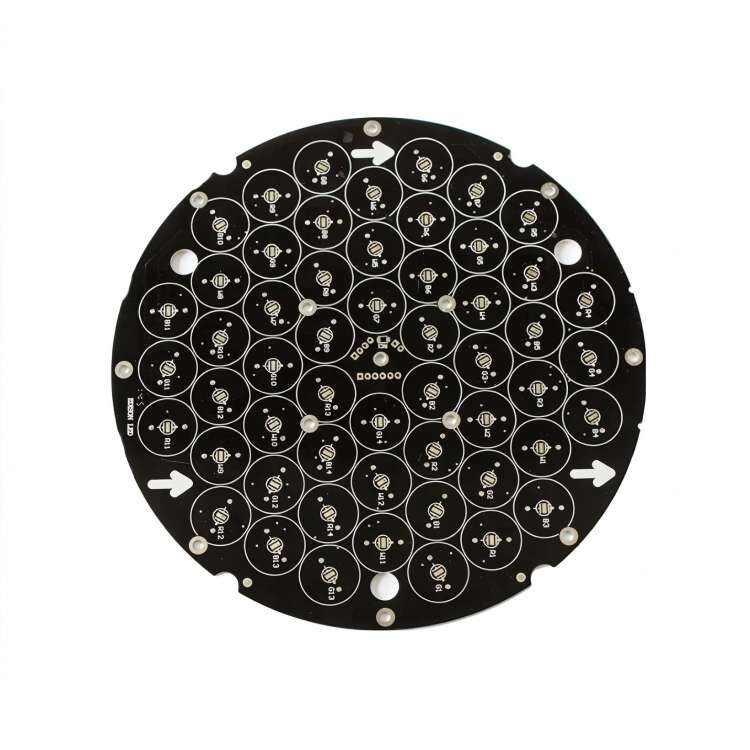
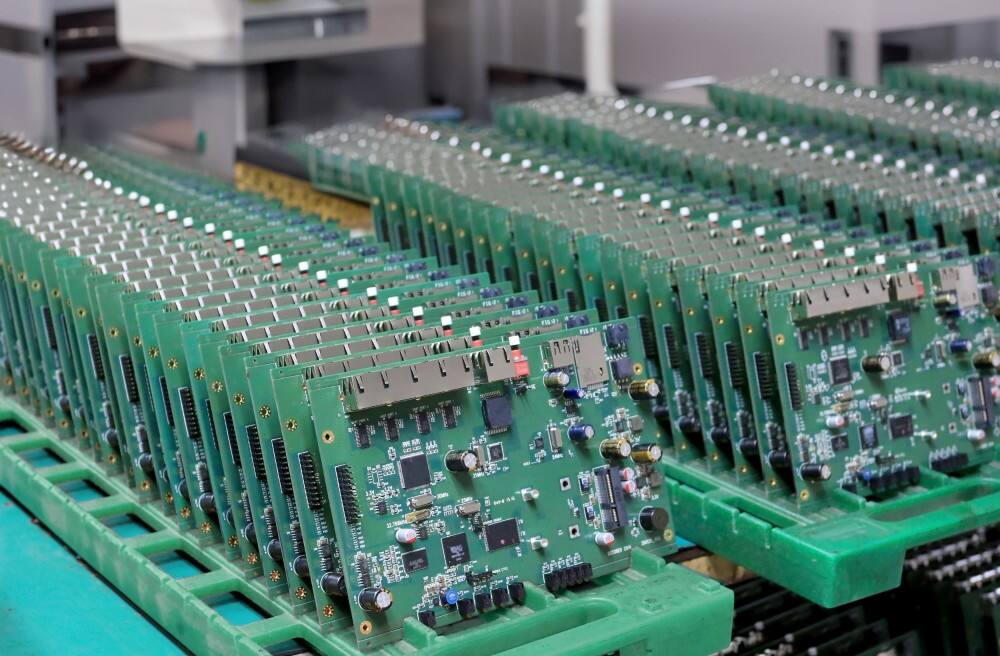
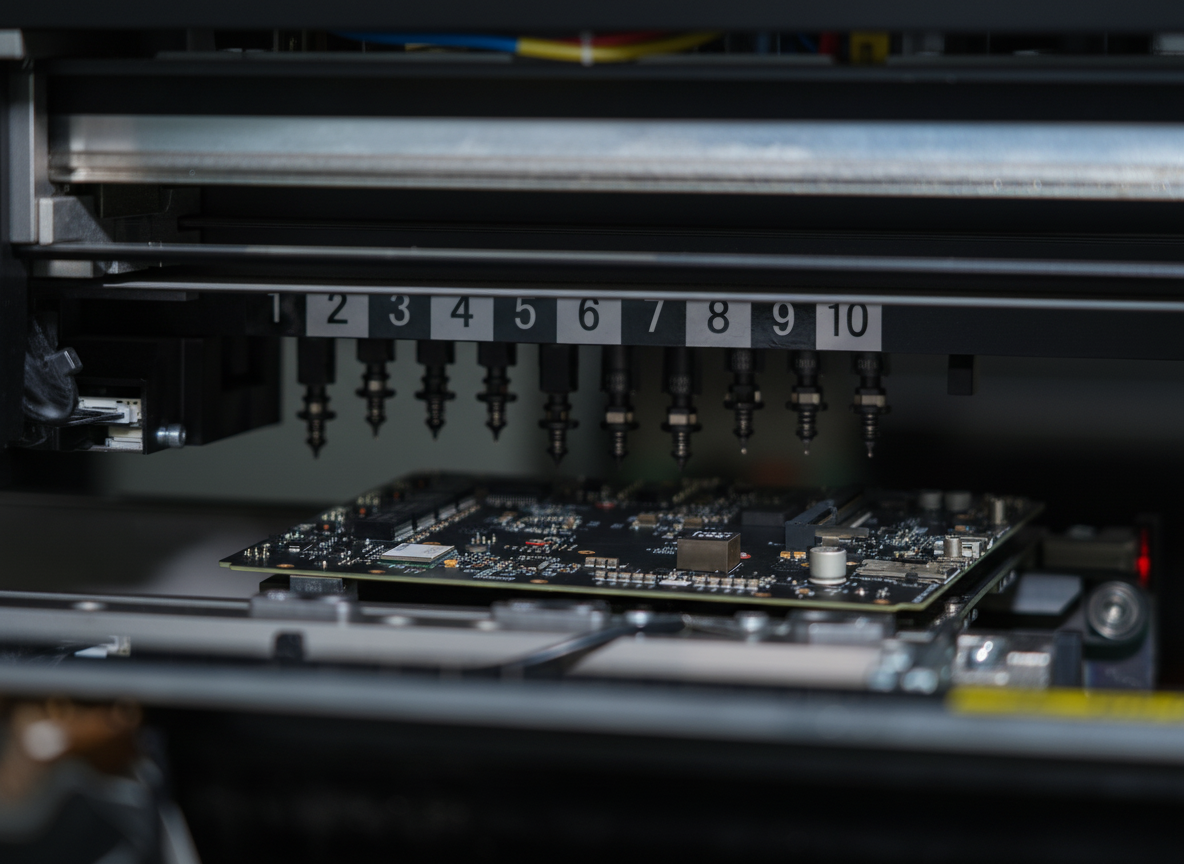
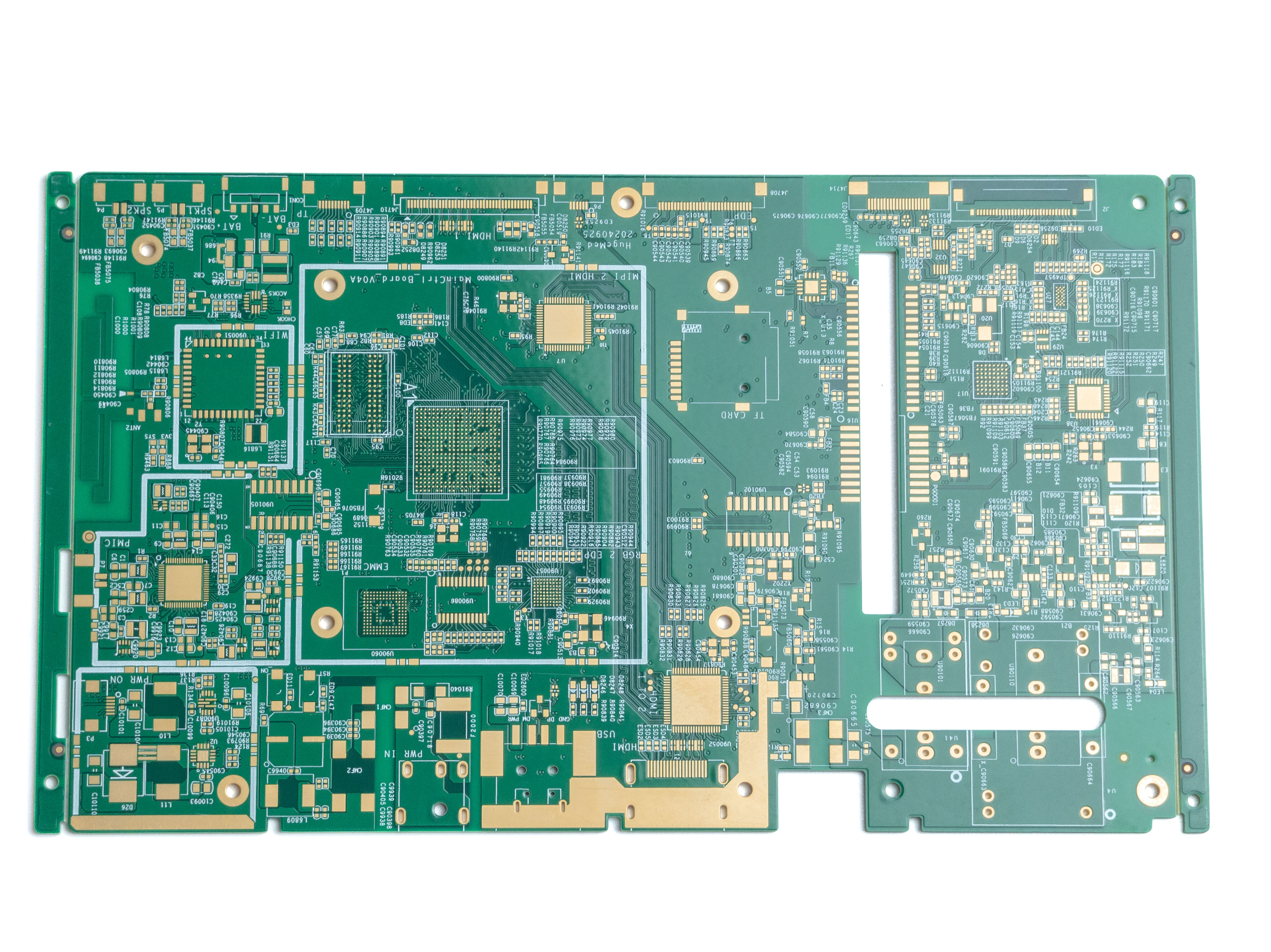
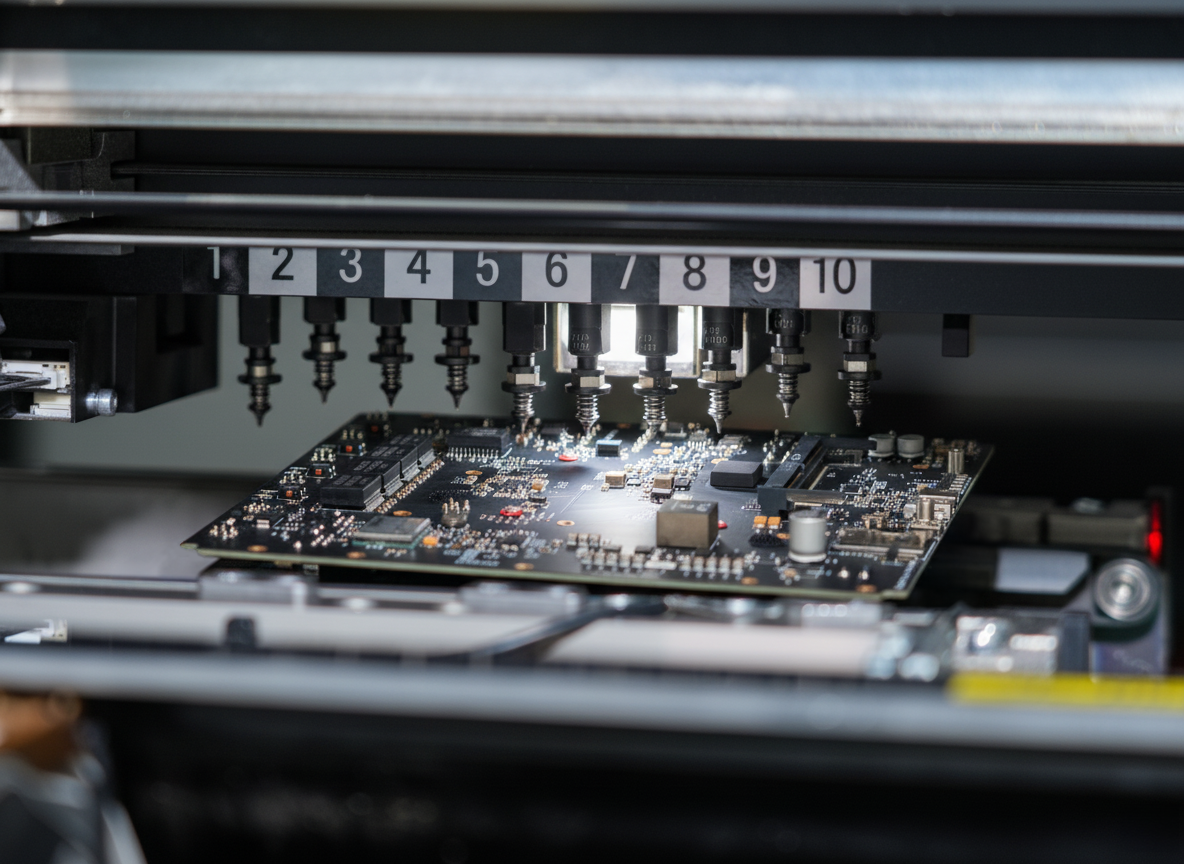
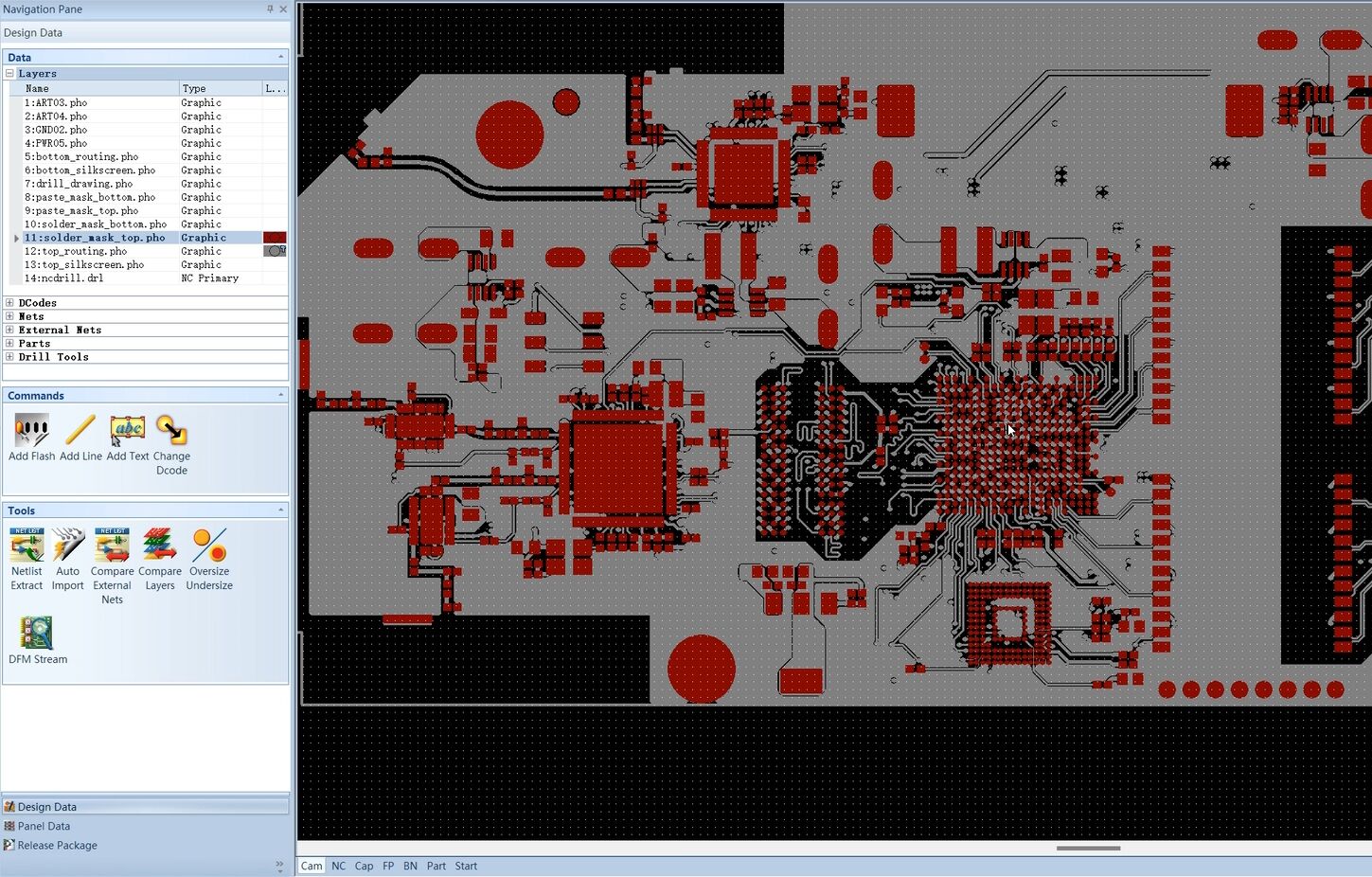
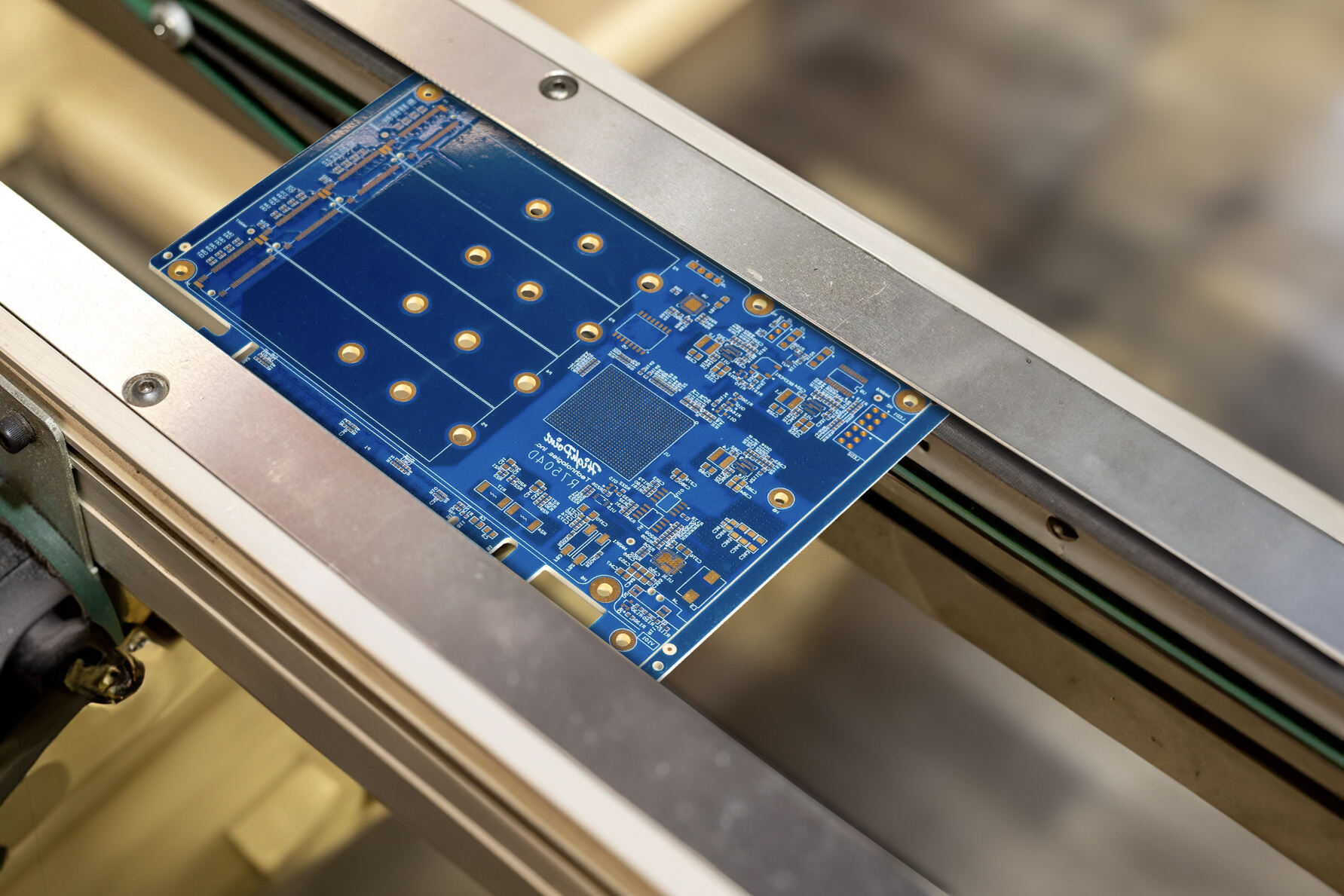
PCB SMT (Surface Mount Technology) represents a revolutionary advancement in electronic circuit board manufacturing, where components are directly mounted onto the surface of printed circuit boards. This technology has become the industry standard, replacing traditional through-hole mounting methods. In SMT assembly, components are soldered directly onto the PCB's surface using automated placement machines and reflow soldering processes. The technology enables the production of smaller, more complex electronic devices by allowing components to be mounted on both sides of the board. PCB SMT supports the placement of miniaturized components, including resistors, capacitors, integrated circuits, and other electronic parts, at much higher densities than conventional methods. The process typically involves applying solder paste to the board through a stencil, precisely placing components using pick-and-place machines, and then heating the assembly in a reflow oven to create permanent electrical connections. This manufacturing method has become essential in producing modern electronics, from smartphones and laptops to automotive systems and medical devices, offering superior reliability, efficiency, and cost-effectiveness in high-volume production scenarios.

 EN
EN