what is a circuit card assembly
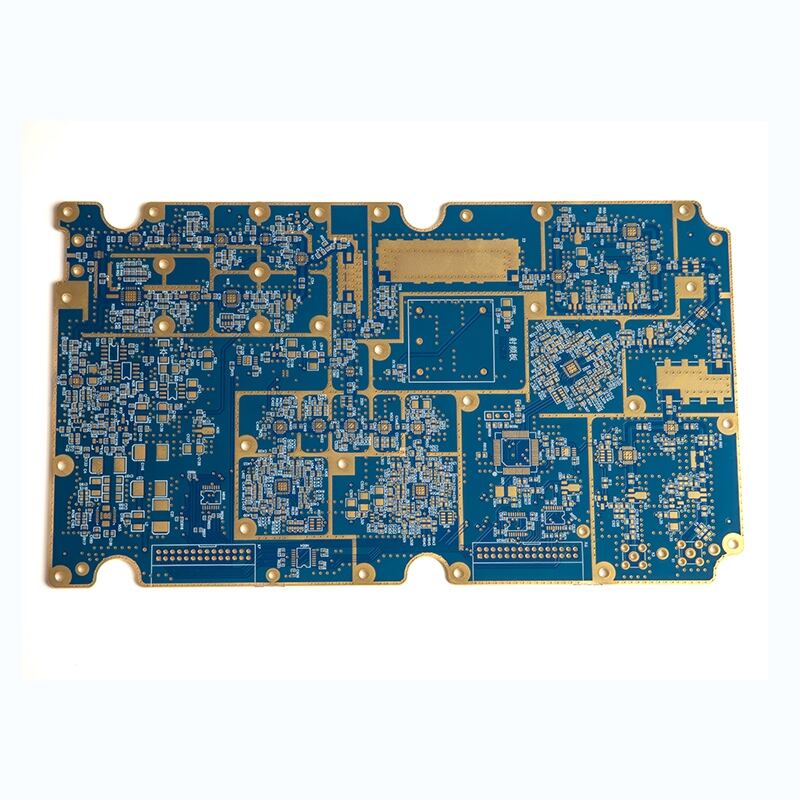
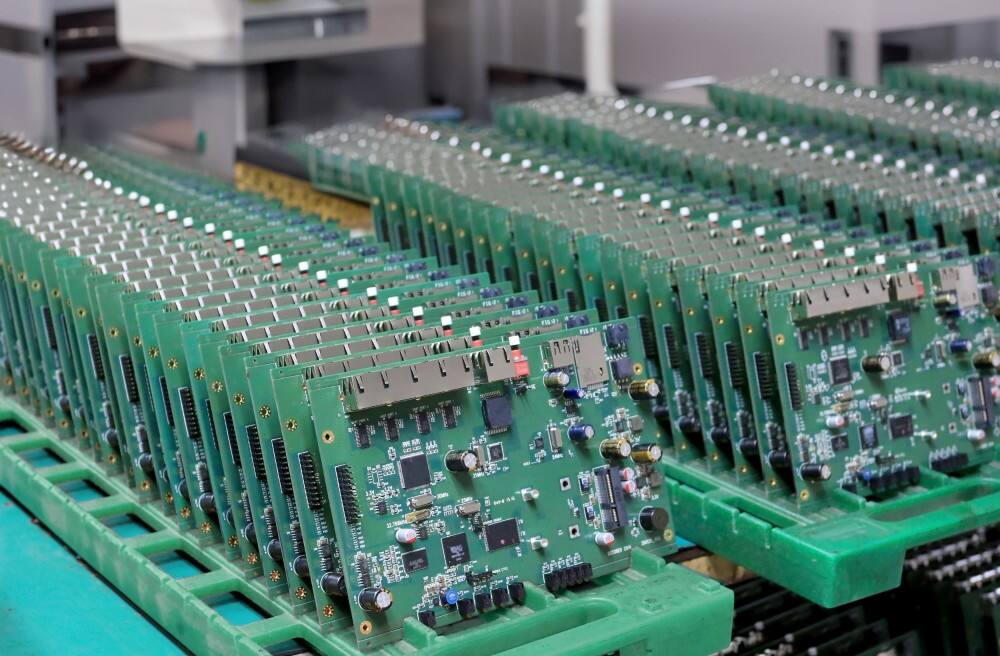
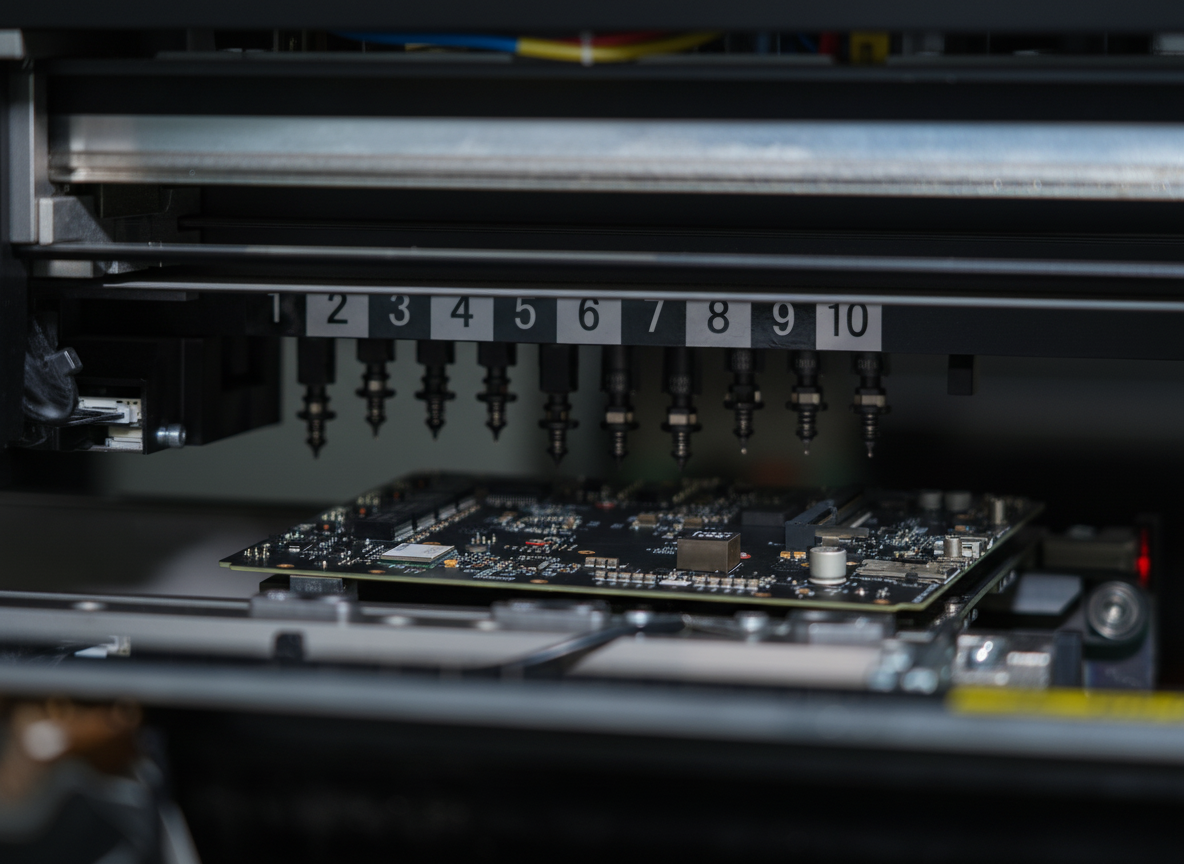
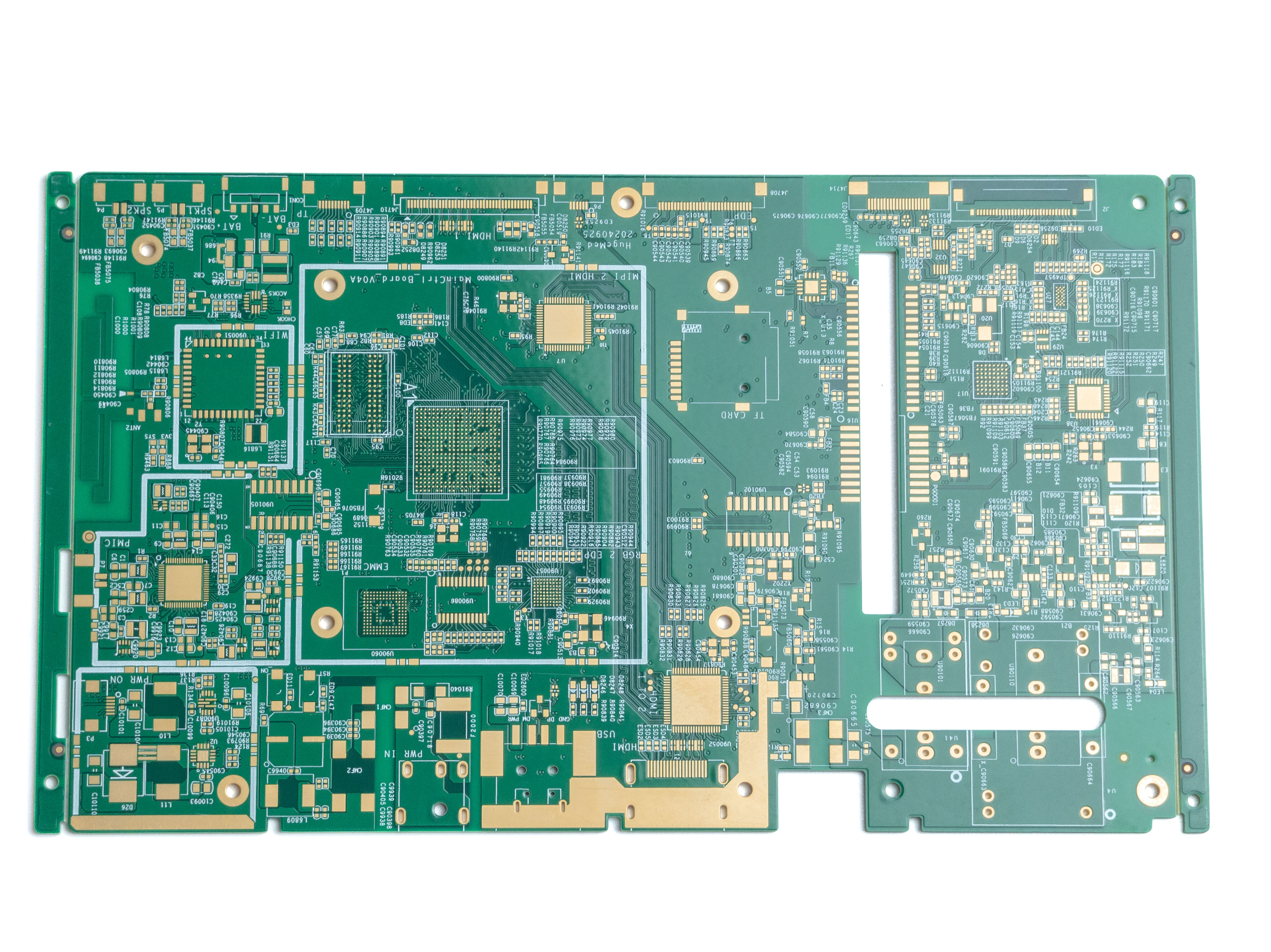
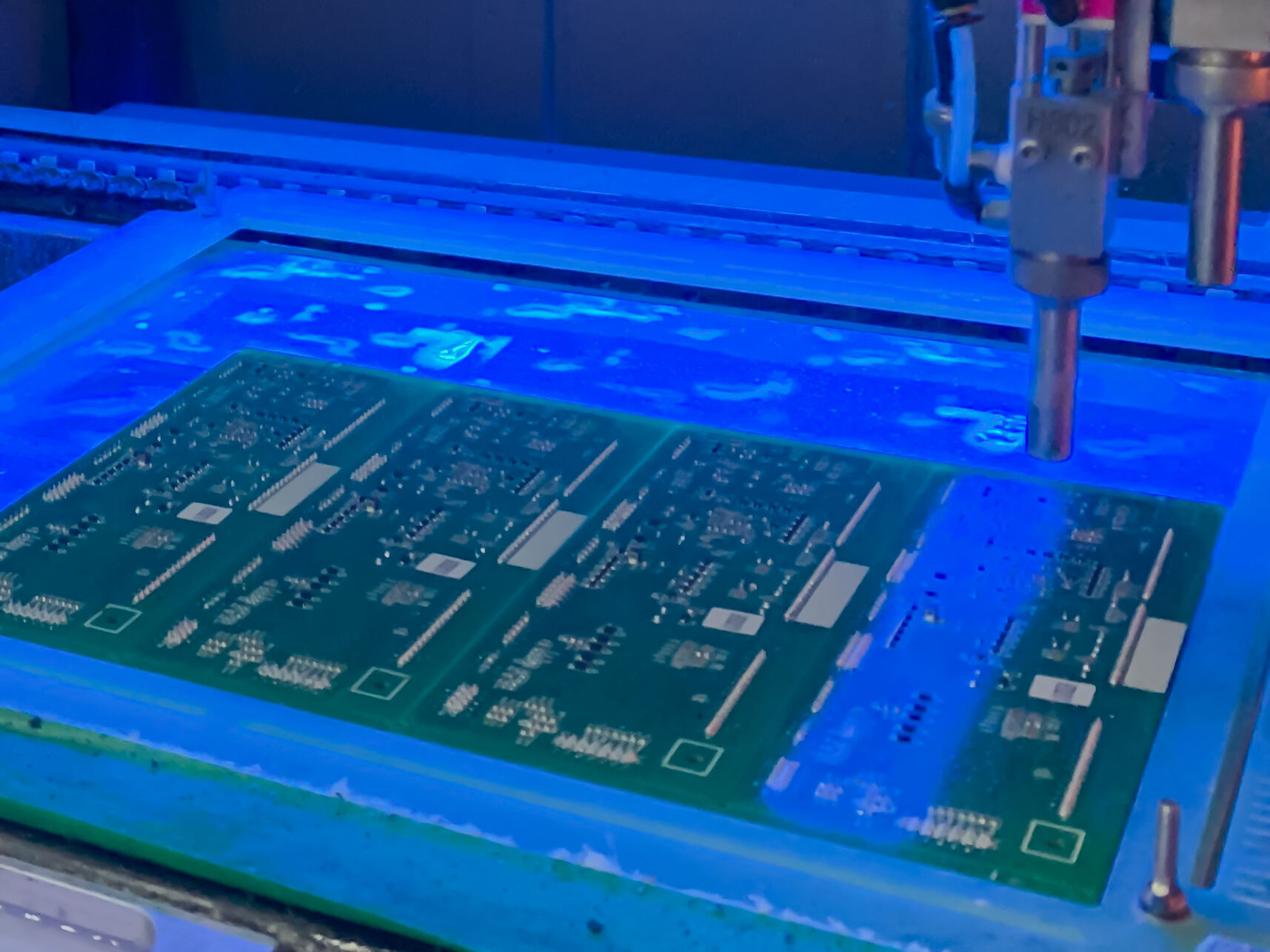
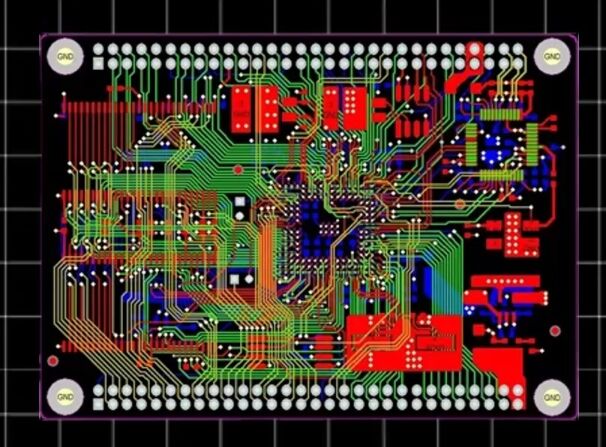
A circuit card assembly (CCA), also known as a printed circuit board assembly (PCBA), is a sophisticated electronic component that serves as the foundation for modern electronic devices. It consists of a printed circuit board (PCB) populated with various electronic components such as integrated circuits, resistors, capacitors, and connectors, all carefully soldered into place. The assembly process involves precise placement of components onto the PCB using advanced manufacturing techniques, including surface mount technology (SMT) and through-hole mounting. CCAs are designed to perform specific functions within electronic devices, acting as the central nervous system that processes signals, manages power distribution, and enables communication between different components. These assemblies can range from simple single-layer boards to complex multilayer designs that accommodate thousands of components. They are essential in everything from consumer electronics to industrial equipment, medical devices, and aerospace applications. The manufacturing process involves multiple stages, including component placement, soldering, testing, and quality control, ensuring reliable performance and durability. Modern CCAs often incorporate advanced features such as impedance control, thermal management systems, and electromagnetic interference (EMI) shielding to meet demanding performance requirements.

 EN
EN