pcba production process
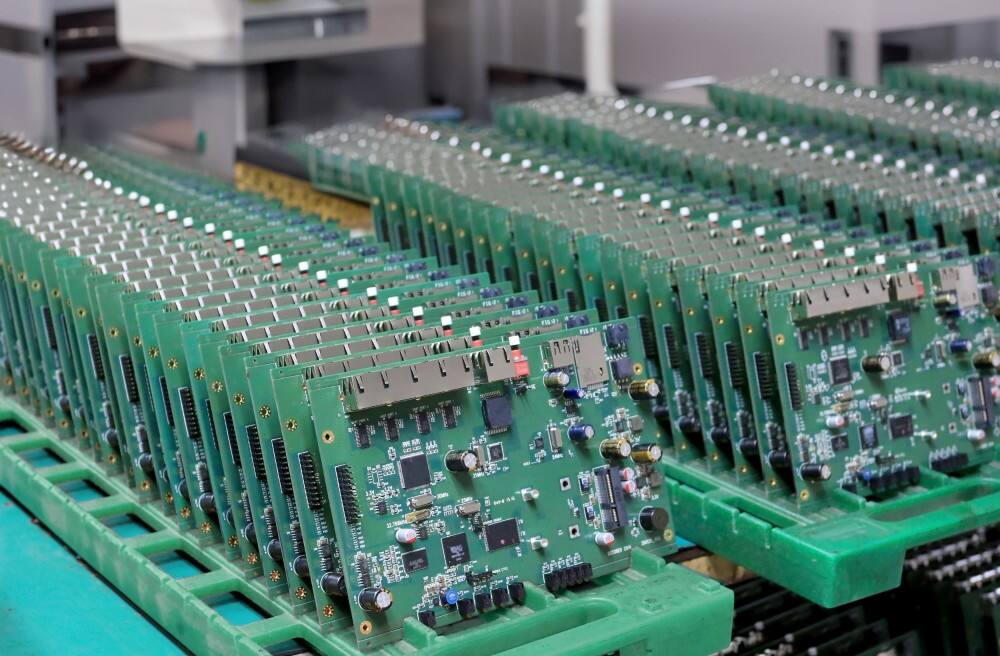
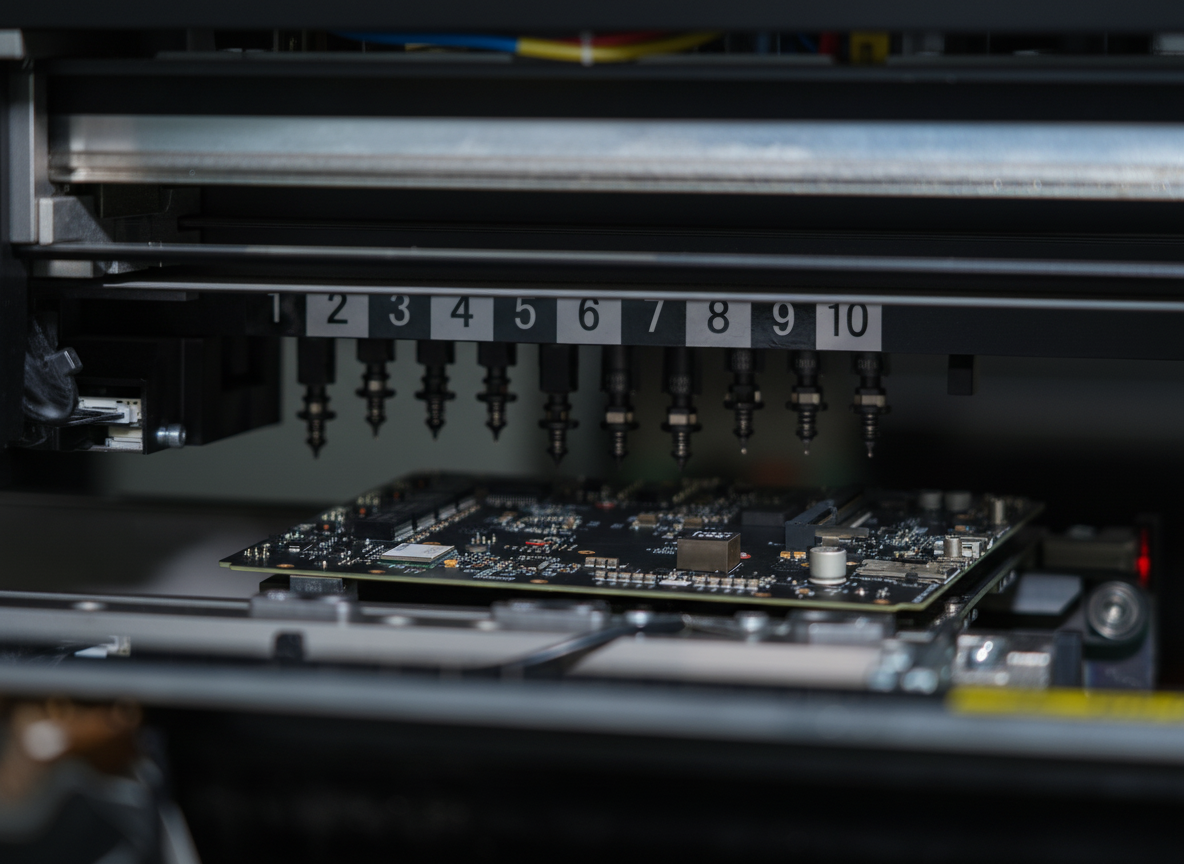
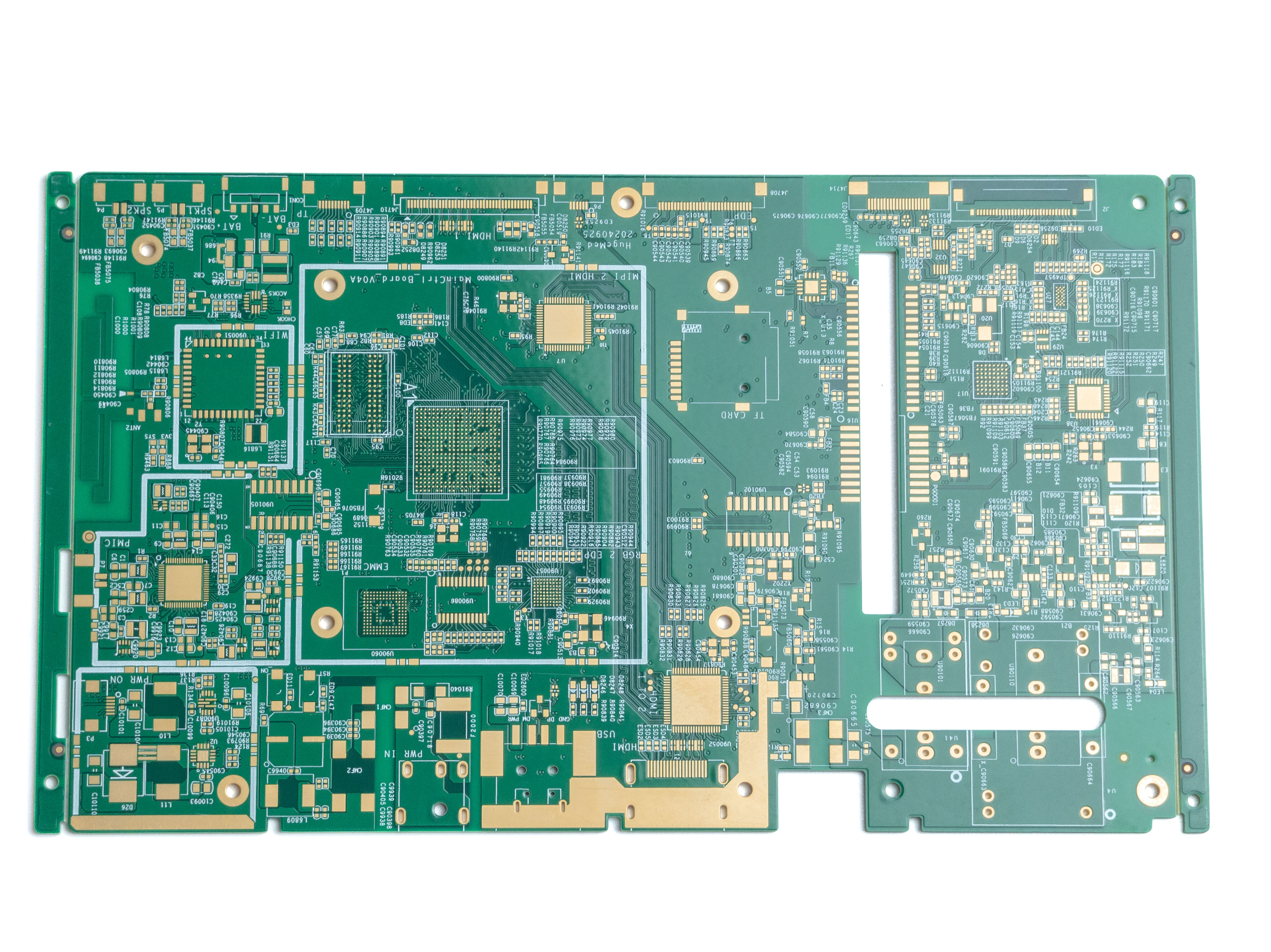
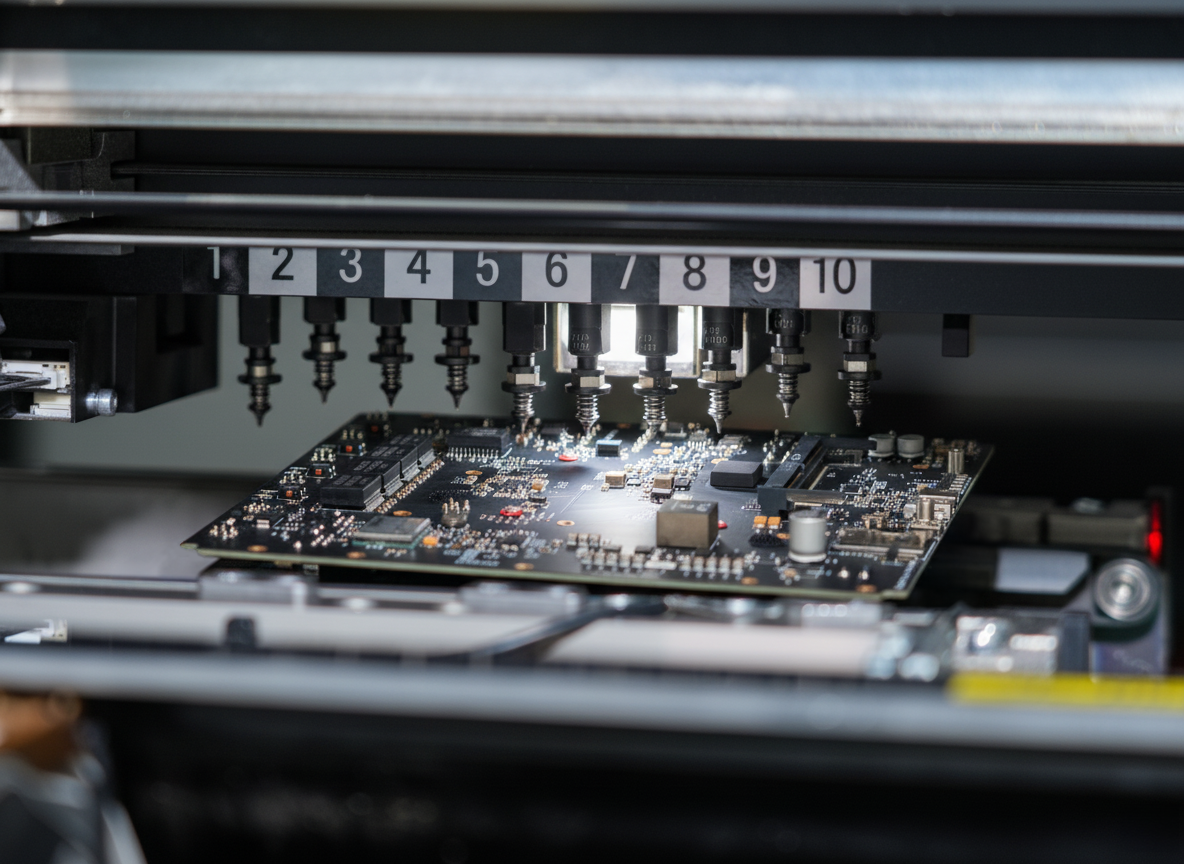
The PCBA (Printed Circuit Board Assembly) production process represents a sophisticated manufacturing sequence that transforms bare circuit boards into fully functional electronic assemblies. This comprehensive process begins with the careful application of solder paste to specific areas on the PCB through precise stencil printing. Components are then placed onto the board using advanced pick-and-place machines, capable of positioning thousands of components per hour with microscopic accuracy. The assembly moves through a reflow soldering process, where controlled heat profiles ensure optimal solder joint formation. Quality control measures, including Automated Optical Inspection (AOI) and X-ray inspection, verify component placement and solder joint integrity. For through-hole components, wave soldering or selective soldering techniques are employed. The process incorporates multiple testing stages, from in-circuit testing to functional testing, ensuring each assembly meets strict performance criteria. Modern PCBA production facilities utilize Industry 4.0 principles, implementing real-time monitoring, data analytics, and automated material handling systems to maintain consistent quality and maximize efficiency. This process serves diverse industries, from consumer electronics to aerospace, medical devices, and automotive applications, adapting to varying complexity levels and production volumes while maintaining strict quality standards.

 EN
EN