
 EN
EN
A Surface-Mount Device is an electronic component designed to be mounted directly onto the surface of a printed circuit board, rather than being inserted through drilled holes. This fundamental distinction separates Surface-Mount Device technology from older through-hole methods and defines how modern electronics are built. Understanding what a Surface-Mount Device is, how it functions, and why it is used so broadly gives engineers, buyers, and product developers a critical foundation for making informed decisions in PCB design and manufacturing.
The rise of compact consumer electronics, high-density circuit boards, and automated assembly lines has made the Surface-Mount Device the dominant component format in the electronics industry. From smartphones to industrial controllers, nearly every modern electronic product relies on Surface-Mount Device components to achieve miniaturization, performance, and cost efficiency. This article explains what these components are, what types exist, and how they are used in real-world PCB assembly.
Definition and Core Characteristics of a Surface-Mount Device
What Defines a Surface-Mount Device
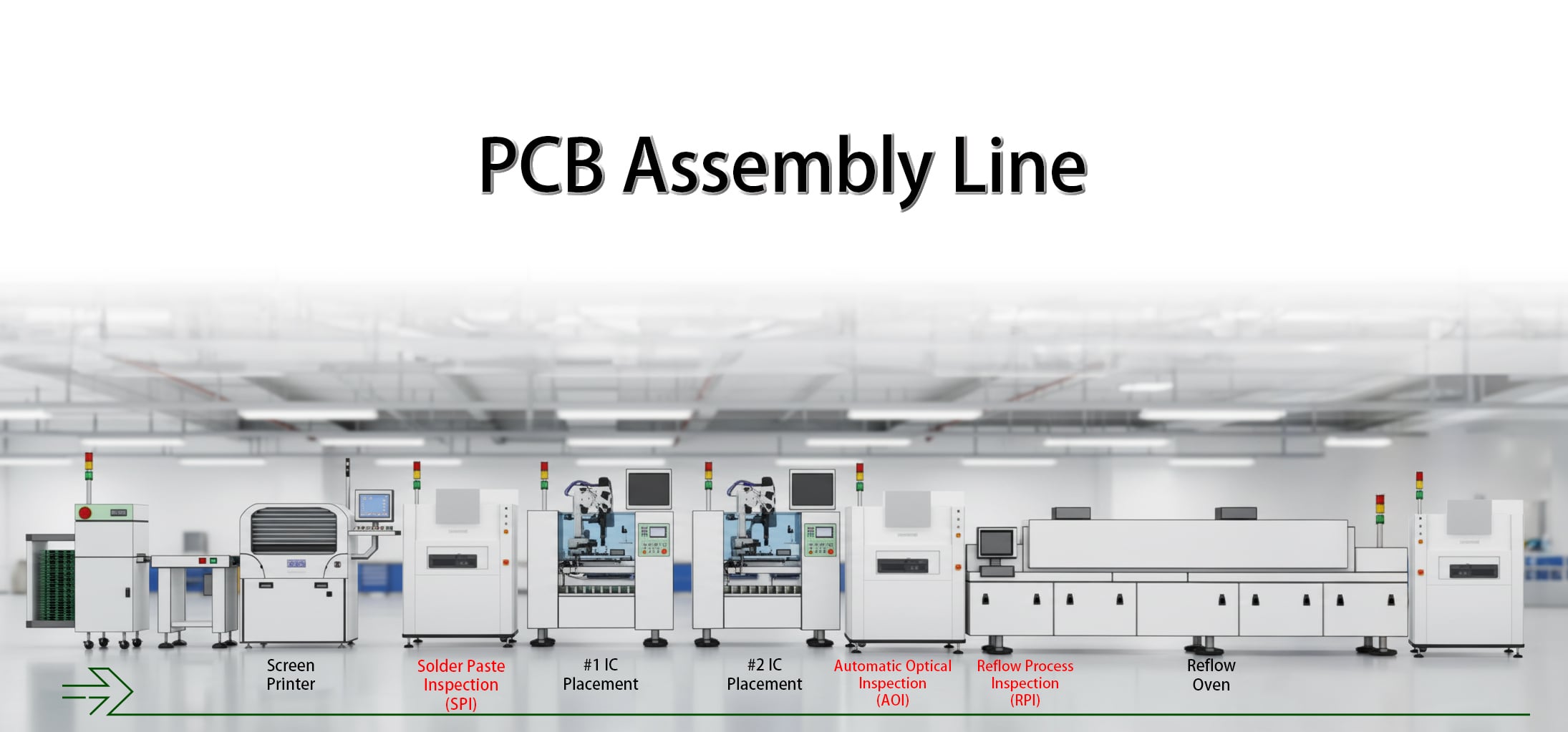
A Surface-Mount Device is any passive, active, or electromechanical component that has been engineered for surface mounting. Instead of wire leads that pass through the board, a Surface-Mount Device uses flat contacts, pads, or small metallic terminations that sit flush against the PCB surface. Solder paste is applied to the board pads, the Surface-Mount Device is placed by pick-and-place machines, and then the assembly passes through a reflow oven to complete the electrical connection.
The defining physical trait of a Surface-Mount Device is its compact, low-profile form. Because the Surface-Mount Device does not need holes drilled through the board, components can be placed on both sides of the PCB, dramatically increasing circuit density. This makes the Surface-Mount Device ideal for applications where space and weight are constrained.
Key Electrical Properties of a Surface-Mount Device
A Surface-Mount Device is not simply a smaller version of a through-hole part. The Surface-Mount Device is engineered to deliver stable electrical performance within its miniaturized footprint. Shorter lead lengths in a Surface-Mount Device reduce parasitic inductance and capacitance, which is a significant advantage in high-frequency circuit designs. This means that a Surface-Mount Device often outperforms its through-hole equivalent in RF, signal integrity, and switching applications.
Types of Surface-Mount Device Components
Passive Surface-Mount Device Components
Passive types represent the most commonly used Surface-Mount Device category. Resistors, capacitors, and inductors make up the bulk of Surface-Mount Device population on any standard PCB. These passive Surface-Mount Device components come in standardized package sizes, such as 0402, 0603, and 0805, where the numbers correspond to the physical dimensions in hundredths of an inch. Selecting the correct Surface-Mount Device package size is essential because it affects solderability, thermal performance, and assembly yield. A Surface-Mount Device resistor or capacitor in the 0402 package is extremely small and requires precise automated placement to avoid misalignment or tombstoning defects.
Inductors as a Surface-Mount Device format are available in shielded and unshielded versions. A shielded Surface-Mount Device inductor minimizes electromagnetic interference and is preferred in power supply and filtering circuits. Engineers choose a Surface-Mount Device inductor based on inductance value, current rating, and DC resistance, all of which are specified in the Surface-Mount Device datasheet.
Active and Integrated Surface-Mount Device Components
Active Surface-Mount Device components include transistors, diodes, integrated circuits, and microcontrollers. An IC packaged as a Surface-Mount Device may use formats such as SOIC, QFP, QFN, or BGA. The BGA, or Ball Grid Array, is a high-density Surface-Mount Device format where solder balls are arranged in a grid on the underside of the component. BGA as a Surface-Mount Device format allows hundreds of connections in a very small area, making it standard in processors and memory chips. Inspecting a BGA Surface-Mount Device after reflow requires X-ray equipment because the solder joints are hidden beneath the package.
Diodes and transistors as a Surface-Mount Device typically use SOT or SOD packages. These active Surface-Mount Device parts are straightforward to place and solder but require careful orientation during assembly. Polarity and pin-one markings on a Surface-Mount Device must be verified against the PCB silkscreen to prevent reverse-mounting errors.
How Surface-Mount Device Components Are Used in PCB Assembly
The SMT Assembly Process for Surface-Mount Device Components
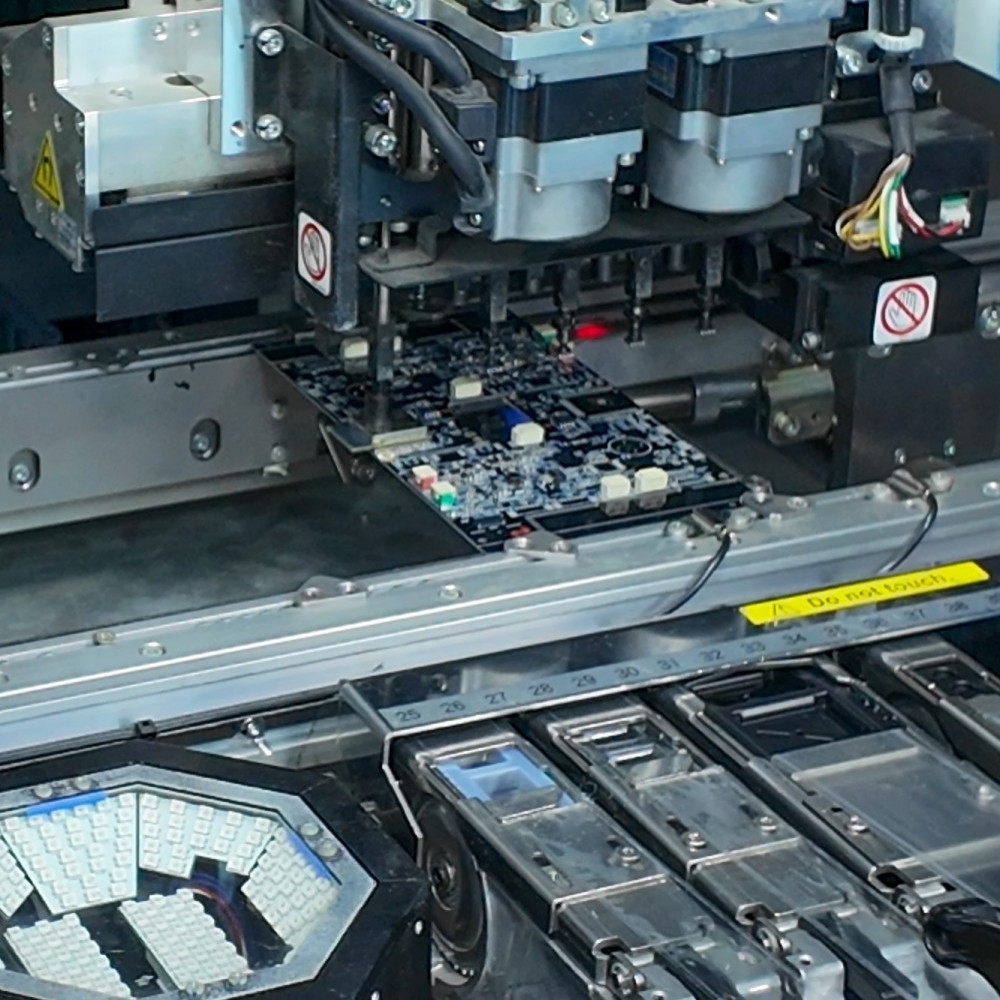
The assembly process for a Surface-Mount Device follows a defined workflow. Solder paste is first stencil-printed onto the PCB pads that will receive each Surface-Mount Device. A pick-and-place machine then retrieves each Surface-Mount Device from tape-and-reel or tray packaging and places it precisely on the pasted pads. After all Surface-Mount Device components are placed, the board enters a reflow oven where controlled temperature profiles melt the solder paste and form reliable joints around each Surface-Mount Device. This automated flow enables high-volume production and consistent Surface-Mount Device soldering quality.
If you are sourcing PCB assembly services that handle Surface-Mount Device components at scale, professional Surface-Mount Device assembly providers offer full turnkey services including component procurement, paste printing, reflow, and automated optical inspection. Choosing an experienced assembly partner ensures that every Surface-Mount Device is placed and soldered correctly, reducing rework and improving time to market.
Quality Control in Surface-Mount Device Assembly
Quality control for Surface-Mount Device assemblies involves automated optical inspection, or AOI, which checks each Surface-Mount Device for correct placement, orientation, and solder joint quality. Solder bridges, insufficient solder, and missing Surface-Mount Device components are all detectable by AOI. For dense boards with BGA Surface-Mount Device packages, X-ray inspection provides visibility into hidden solder joints that AOI cannot reach. Implementing thorough inspection at each stage of the Surface-Mount Device assembly process is essential for achieving reliable boards in both prototype and production runs.
FAQ
What is the difference between a Surface-Mount Device and a through-hole component?
A Surface-Mount Device is mounted directly on the PCB surface using solder paste and reflow, while a through-hole component uses wire leads inserted into drilled holes and soldered on the opposite side. A Surface-Mount Device is generally smaller, lighter, and better suited for automated high-volume assembly than a through-hole part.
Can a Surface-Mount Device be soldered by hand?
Yes, a Surface-Mount Device can be soldered by hand, though it requires skill and appropriate tools. Larger Surface-Mount Device packages like SOIC or 0805 passives are manageable with a fine-tip soldering iron. Smaller Surface-Mount Device formats such as 0201 or BGA are extremely difficult to hand-solder reliably and are better handled by automated equipment.
How do I choose the right Surface-Mount Device package for my design?
Choosing the right Surface-Mount Device package depends on your board space constraints, current requirements, frequency of operation, and assembly capabilities. Smaller Surface-Mount Device packages save space but demand more precise assembly. Larger Surface-Mount Device footprints are easier to handle and inspect. Always confirm that your PCB assembly partner can support the Surface-Mount Device package sizes specified in your design before finalizing the bill of materials.