
 EN
EN
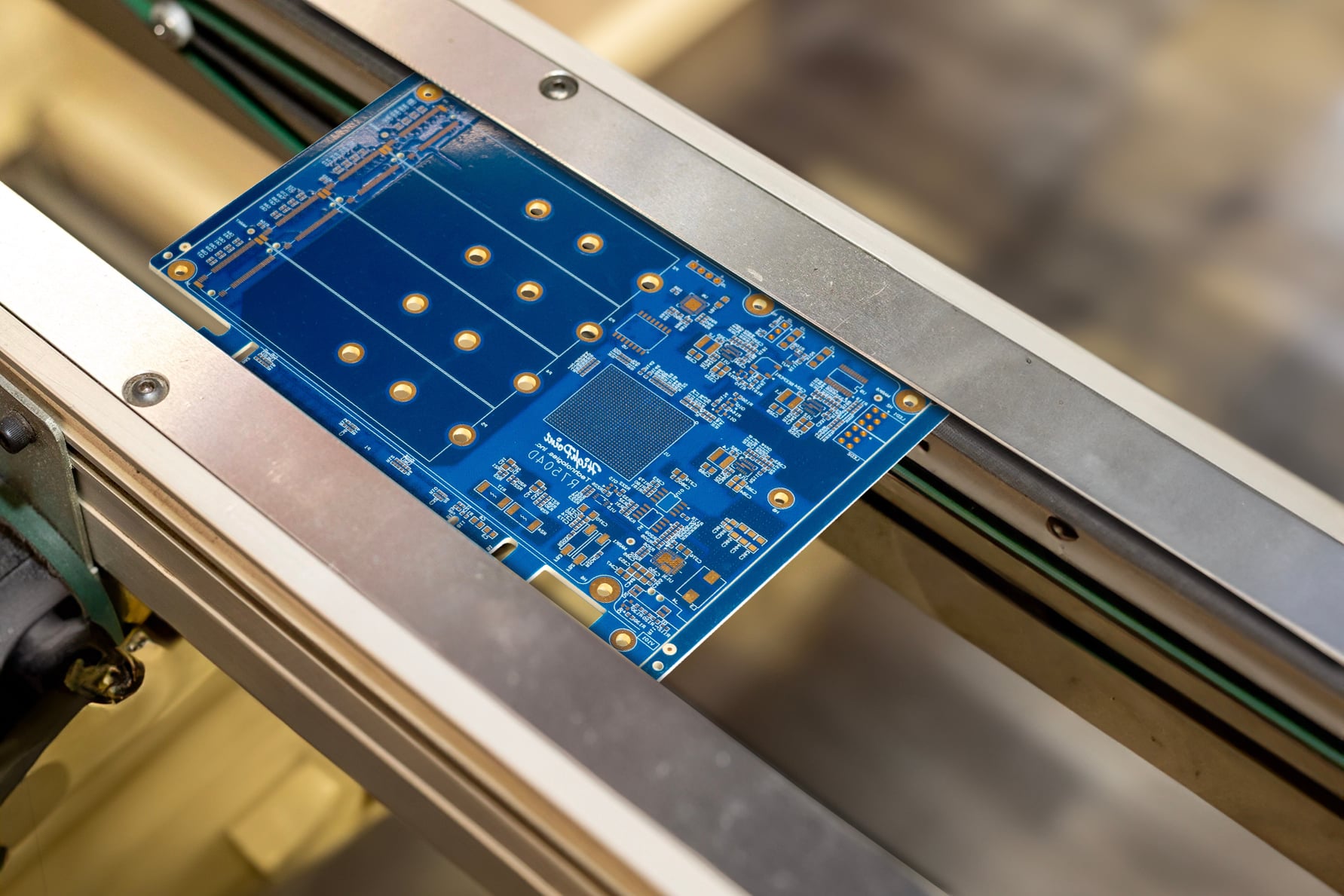
Aerospace PCB assembly is one of the most demanding disciplines in electronics manufacturing. Every circuit board used in aircraft, satellites, or defense systems must perform reliably under extreme temperatures, vibration, and pressure. For beginners entering this field, understanding how PCB assembly works in an aerospace context is the first essential step toward building compliant, high-performance electronic hardware.

Unlike standard commercial PCB assembly, aerospace applications require adherence to strict industry standards, traceable materials, and rigorous inspection protocols. Whether you are a new engineer, a procurement specialist, or a technical student, this guide will walk you through the core concepts, process stages, and quality requirements that define aerospace-grade PCB assembly from start to finish.
What Makes Aerospace PCB Assembly Different
Higher Standards and Certification Requirements
Aerospace PCB assembly is governed by internationally recognized standards that go far beyond typical consumer electronics guidelines. The IPC-A-610 and IPC J-STD-001 standards set acceptance criteria for soldering, component placement, and board cleanliness. For aerospace applications, Class 3 requirements apply, meaning zero tolerance for defects that could compromise reliability. Every stage of PCB assembly in this sector must be documented, traceable, and auditable.
Certification is not optional in aerospace PCB assembly. Manufacturers must often hold AS9100 quality management certification, which is the aerospace industry equivalent of ISO 9001 but with additional requirements for risk management, configuration control, and traceability. Beginners should understand that selecting a PCB assembly partner without these certifications exposes a project to significant compliance and safety risks.
Material and Component Traceability
In aerospace PCB assembly, every component must be traceable to its original manufacturer and lot code. This requirement exists because counterfeit or substandard components have caused critical failures in high-stakes environments. Approved Vendor Lists, also known as AVLs, are maintained to ensure that only certified suppliers provide parts for PCB assembly projects. Beginners should always verify that their assembly partner uses documented sourcing processes and maintains full traceability records throughout the PCB assembly workflow.
Core Stages of the Aerospace PCB Assembly Process
Design Preparation and Pre-Assembly Review
Before any PCB assembly begins, a thorough design for manufacturability review is conducted. Engineers examine the Gerber files, bill of materials, and component placement data to identify any issues that could cause defects during PCB assembly. In aerospace projects, a design review also checks that all components meet temperature ratings, vibration tolerances, and outgassing requirements specific to the intended environment. This upfront investment in review reduces costly rework later in the PCB assembly cycle.
Stencil preparation is another critical pre-assembly step. Solder paste is applied through a precision stencil to ensure accurate deposition on each pad. In aerospace PCB assembly, stencil thickness and aperture design are carefully controlled because inconsistent solder paste volume is a leading cause of joint failure. Getting this stage right establishes a strong foundation for the entire PCB assembly process.
Component Placement and Soldering
Pick-and-place machines handle component placement during PCB assembly with high accuracy. In aerospace PCB assembly, placement tolerances are tighter than commercial standards, and machines are regularly calibrated and verified. Surface mount technology is the dominant method used, though through-hole PCB assembly remains necessary for certain connectors and high-vibration components. Each placement decision is guided by the assembly drawing and is subject to first-article inspection.
Soldering methods in aerospace PCB assembly include reflow soldering for surface mount components and wave or selective soldering for through-hole parts. No-clean flux is commonly used, but in some aerospace applications, aqueous cleaning after PCB assembly is required to eliminate ionic contamination. Thermal profiling of the reflow oven is documented for each PCB assembly run to prove that solder joints reached the correct temperature profile without damaging sensitive components.
Inspection and Testing After PCB Assembly
Inspection is one of the most intensive phases of aerospace PCB assembly. Automated optical inspection, or AOI, scans every board for missing components, misalignment, and solder defects. X-ray inspection is used in aerospace PCB assembly to evaluate hidden solder joints such as those found under ball grid array packages. Visual inspection by certified IPC operators adds a human layer of quality assurance that automated systems alone cannot replace.
Electrical testing follows inspection in the PCB assembly process. In-circuit testing verifies that all components are correctly placed and electrically functional. Functional testing simulates the actual operating environment of the finished PCB assembly to confirm that the board performs as designed. For aerospace applications, environmental stress screening may also be applied, subjecting each PCB assembly to thermal cycling and vibration to reveal latent defects before the board is installed in a system.
Key Quality and Compliance Considerations for Beginners
Understanding IPC Class 3 Requirements
Beginners working with aerospace PCB assembly must become familiar with IPC Class 3 acceptance criteria. Class 3 defines the highest level of workmanship for PCB assembly and is mandatory for life-critical and mission-critical applications. Under Class 3, solder joints must meet precise minimum heel, toe, and side fillet requirements. Component lifting, skewing, or tombstoning that might be acceptable in lower-class PCB assembly is rejected outright in Class 3 inspection.
Understanding these criteria early helps beginners set realistic expectations for yield rates and cost in aerospace PCB assembly. Class 3 PCB assembly naturally involves higher inspection costs, longer cycle times, and more rework compared to commercial-grade assembly. Budgeting and scheduling should reflect these realities from the beginning of any aerospace PCB assembly project.
Conformal Coating and Environmental Protection
After PCB assembly and testing, conformal coating is applied to protect the board from moisture, fungal growth, and chemical contamination. In aerospace PCB assembly, acrylic, silicone, or polyurethane coatings are selected based on the operating environment. Coating thickness, coverage, and adhesion are all verified as part of the final PCB assembly quality record. Beginners should understand that conformal coating is not a cosmetic step but a functional protection measure that extends the reliable service life of any aerospace PCB assembly.
FAQ
What certifications should an aerospace PCB assembly supplier hold?
An aerospace PCB assembly supplier should hold AS9100 certification for quality management and IPC J-STD-001 certification for soldering. Operators involved in PCB assembly inspection should be IPC-A-610 certified to Class 3 standards. These certifications confirm that the supplier has the processes, training, and documentation required for reliable aerospace PCB assembly work.
How does aerospace PCB assembly differ from standard PCB assembly?
Aerospace PCB assembly requires stricter material traceability, Class 3 workmanship standards, more extensive testing, and certified quality management systems. Standard commercial PCB assembly typically operates under Class 2 criteria, which allows greater tolerances and fewer documentation requirements. The gap between the two is significant in terms of cost, lead time, and process rigor.
Can beginners manage an aerospace PCB assembly project independently?
Beginners can contribute meaningfully to an PCB assembly project in aerospace by focusing on design review, documentation control, and supplier qualification. However, hands-on PCB assembly work in aerospace should be performed by certified professionals. Beginners are encouraged to learn IPC standards, shadow experienced engineers, and participate in design reviews before taking on independent PCB assembly responsibility in a regulated aerospace environment.