pcb printed circuit board manufacturing
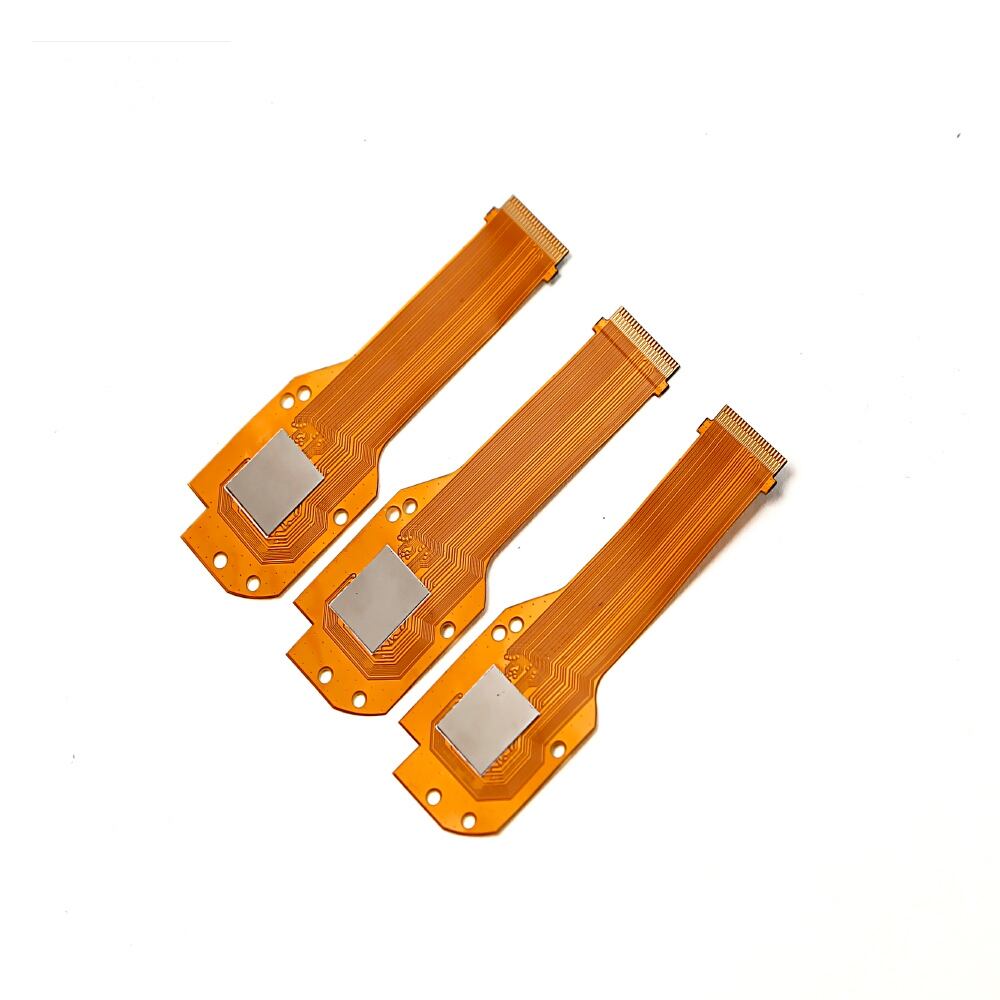
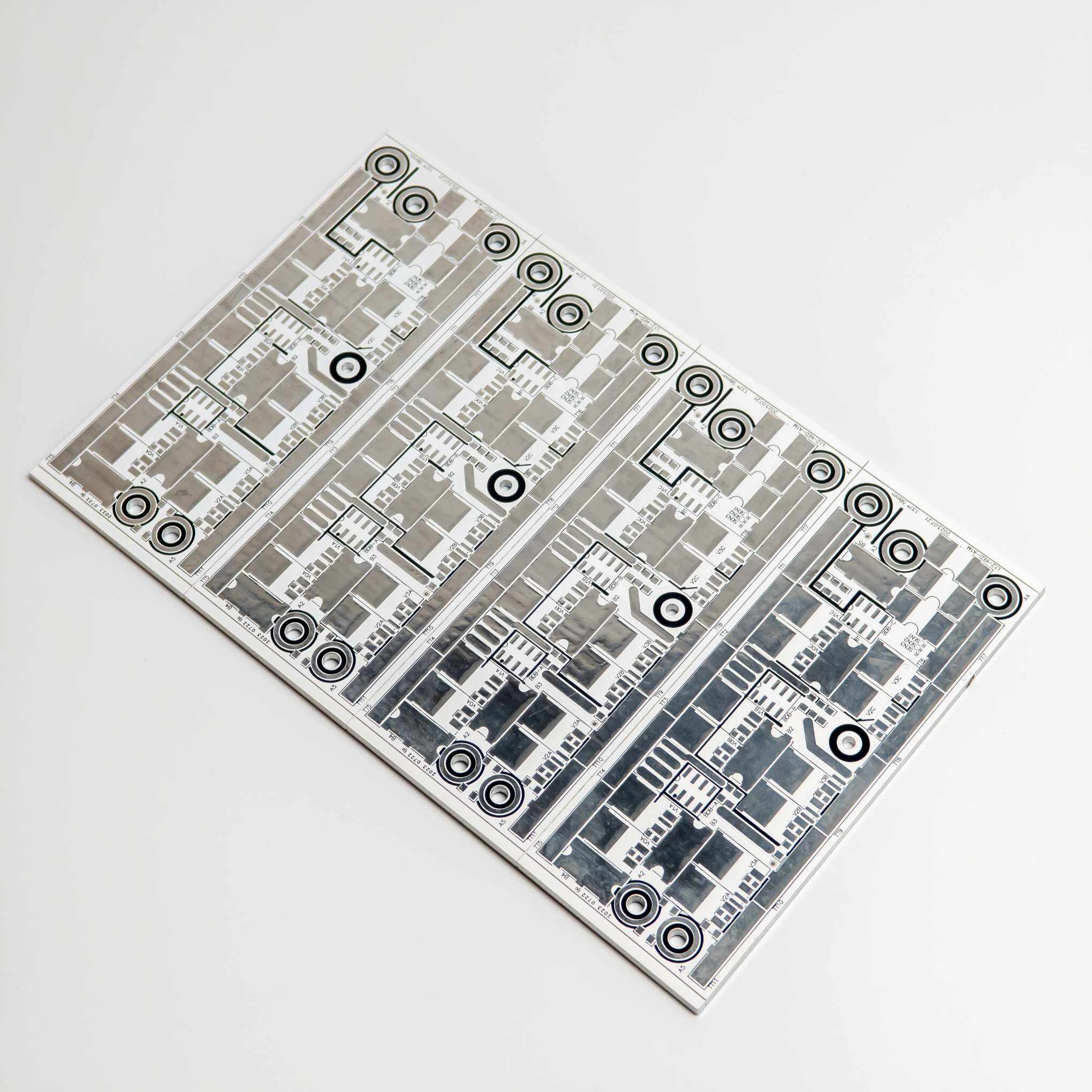
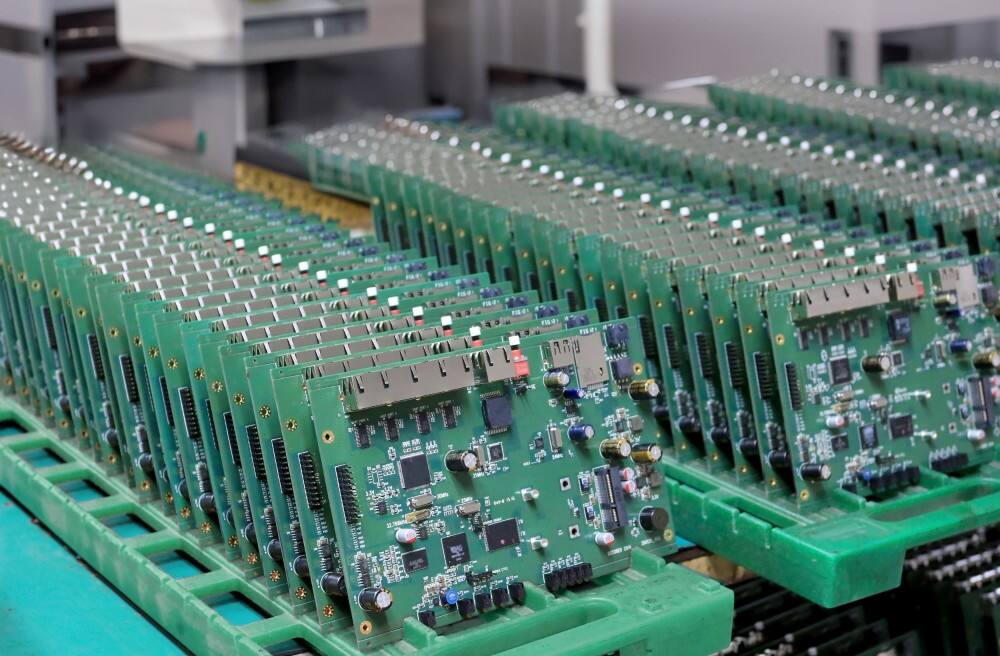
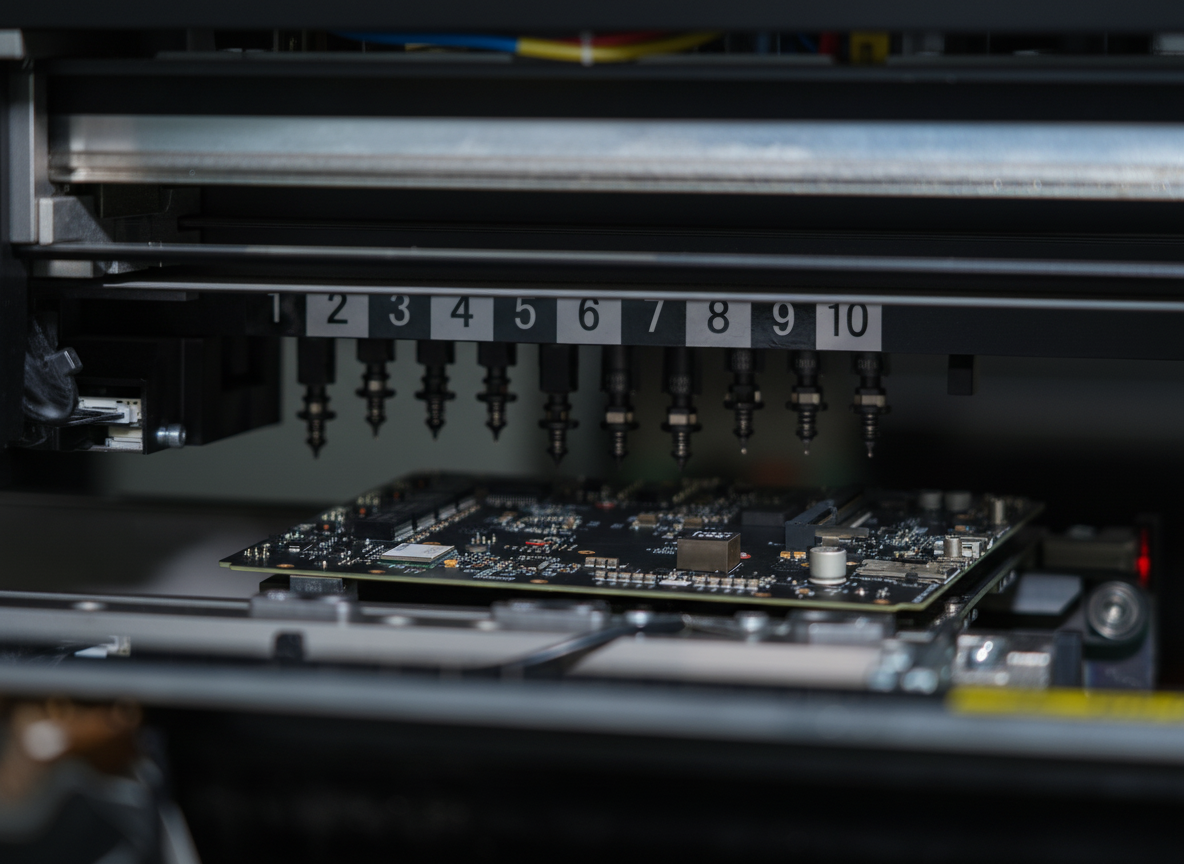
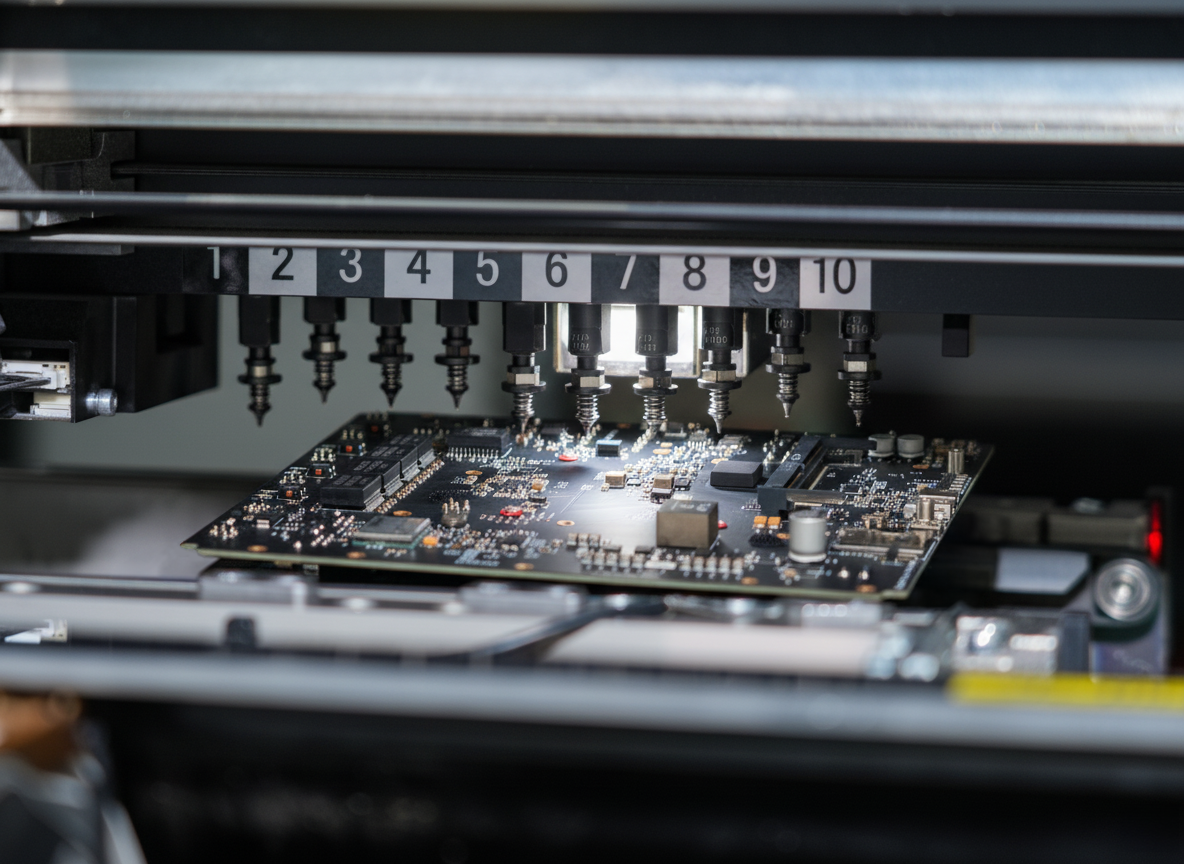
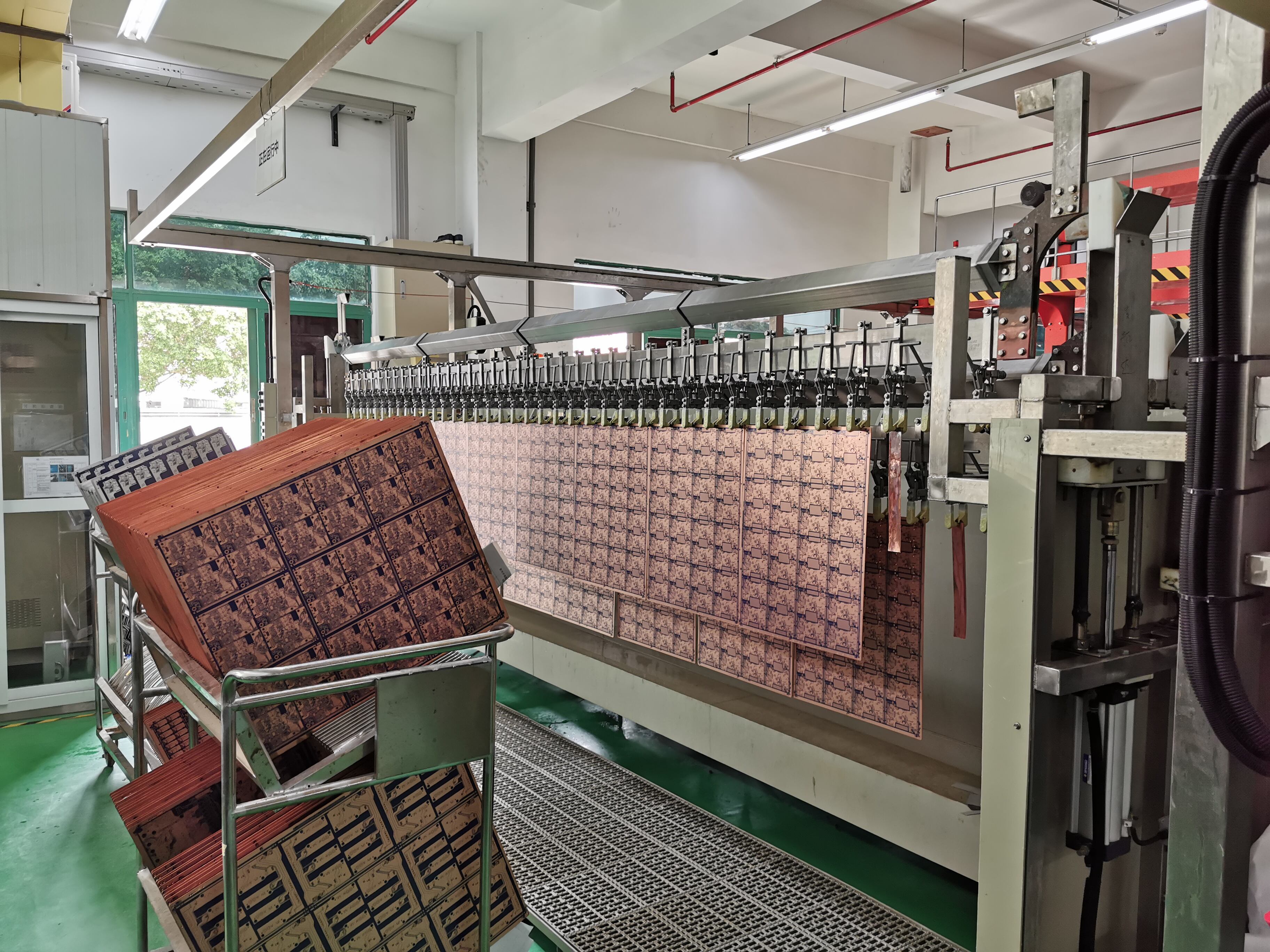
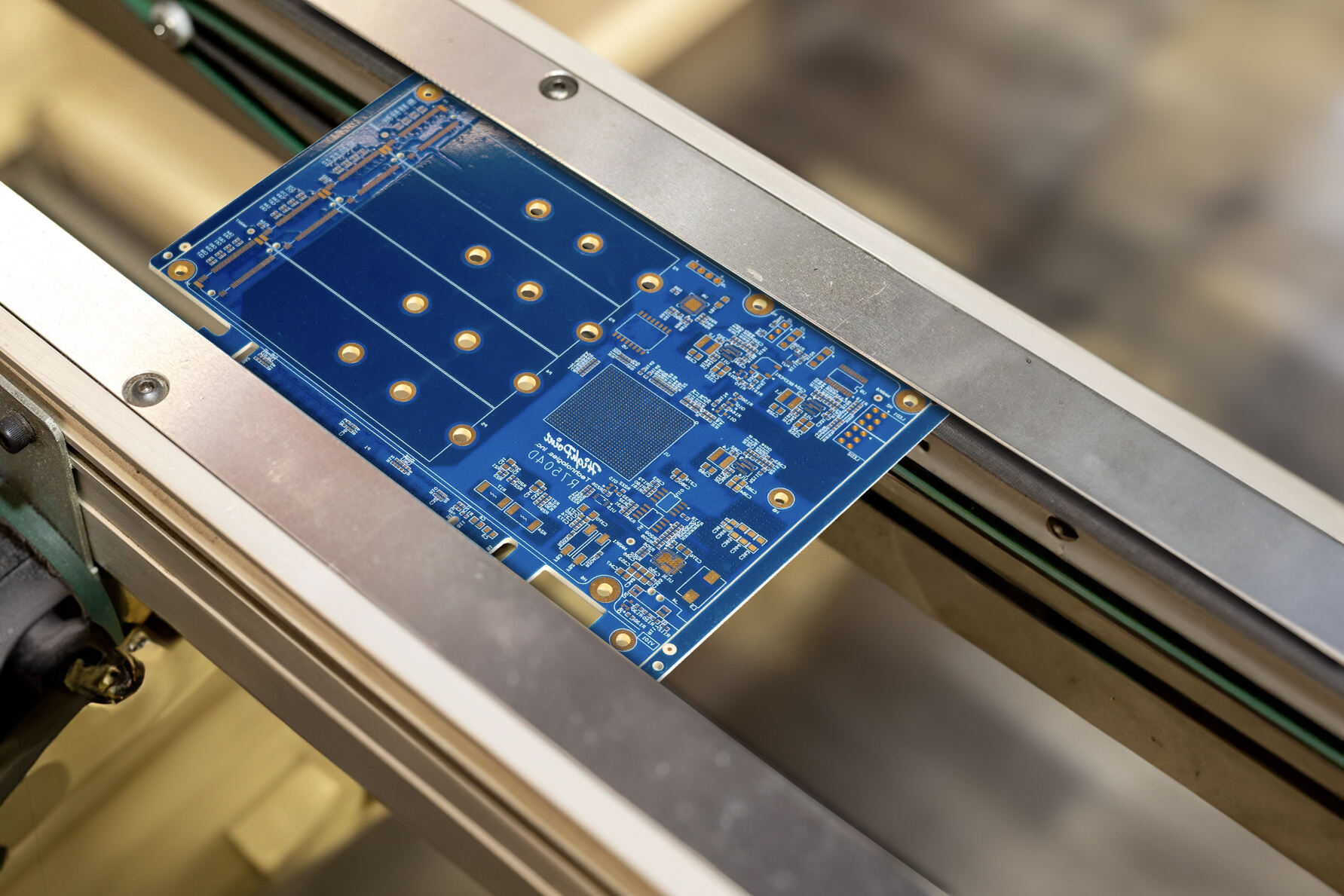
PCB printed circuit board manufacturing represents a cornerstone of modern electronics production, encompassing a sophisticated process that transforms simple copper-clad boards into complex electronic foundations. This manufacturing process involves multiple precise steps, including design preparation, photolithography, etching, drilling, and final assembly. The technology employs advanced computer-aided design (CAD) systems to create intricate circuit patterns, which are then transferred onto copper-layered substrates. These boards serve as the essential backbone for all electronic devices, from simple consumer gadgets to complex industrial equipment. The manufacturing process ensures precise electrical connections while maintaining strict quality standards for conductivity and insulation. Modern PCB manufacturing facilities utilize automated systems for component placement and soldering, achieving unprecedented levels of accuracy and consistency. The industry has evolved to accommodate various board types, including single-layer, multi-layer, flexible, and rigid-flex configurations, each serving specific applications in different sectors. Quality control measures are implemented throughout the production process, incorporating automated optical inspection (AOI) and electrical testing to ensure functionality and reliability. This manufacturing process has become increasingly sophisticated with the integration of surface mount technology (SMT) and advanced materials, enabling the production of smaller, more complex circuit boards that meet the demanding requirements of contemporary electronic devices.

 EN
EN