
 EN
EN
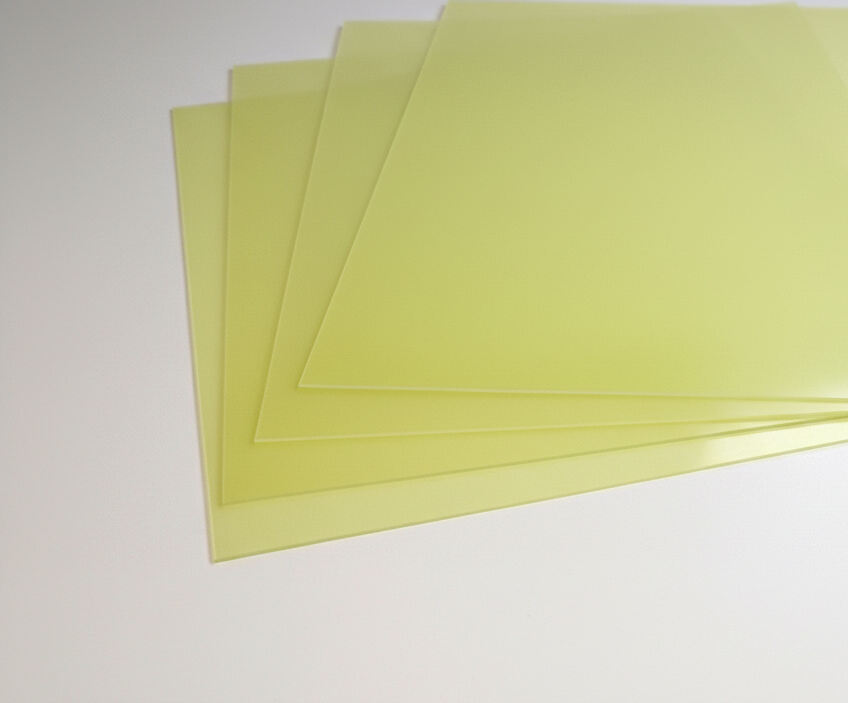
Modern electronic devices demand exceptional performance, particularly in high-speed applications where signal integrity and thermal management are critical. Rogers PCB technology has emerged as the gold standard for advanced electronic systems, offering superior dielectric properties and thermal stability that traditional PCB materials cannot match. Engineers and designers increasingly rely on specialized PCB solutions to meet the rigorous demands of 5G telecommunications, aerospace systems, automotive electronics, and high-frequency radar applications.
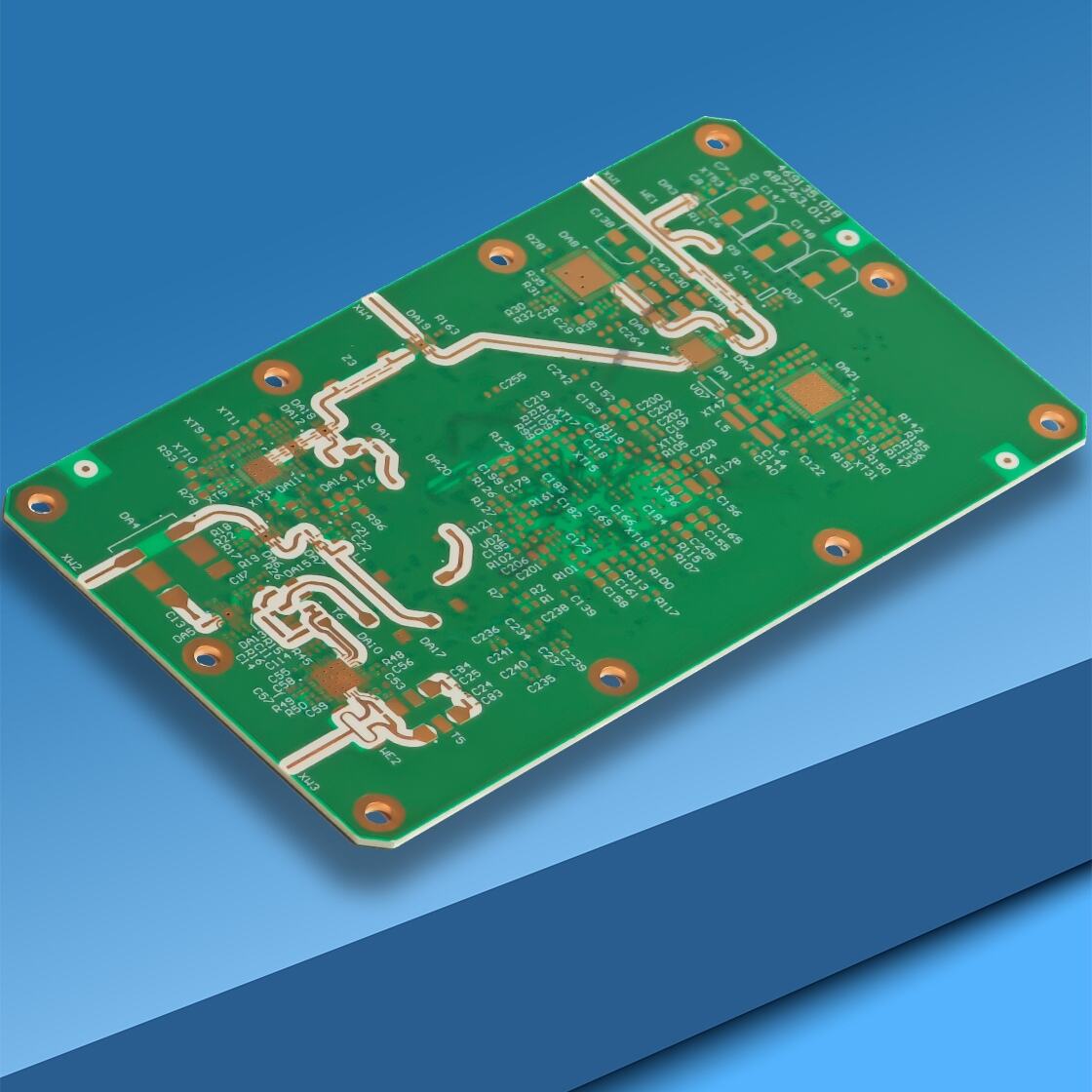
The selection of appropriate PCB materials directly impacts the overall performance, reliability, and longevity of electronic systems. Rogers Corporation has developed a comprehensive portfolio of high-performance laminate materials specifically engineered for applications requiring exceptional electrical properties and thermal performance. These advanced PCB substrates enable designers to achieve superior signal transmission characteristics while maintaining excellent mechanical stability across varying environmental conditions.
Understanding Rogers PCB Material Properties
Dielectric Characteristics and Performance
Rogers PCB materials exhibit exceptional dielectric properties that make them ideal for high-frequency applications. The low dielectric constant and dissipation factor of Rogers laminates ensure minimal signal loss and reduced electromagnetic interference, which are crucial factors in maintaining signal integrity in high-speed digital circuits. These materials maintain consistent electrical properties across a wide frequency range, from DC to millimeter-wave frequencies.
The stable dielectric constant of Rogers PCB materials remains virtually unchanged across temperature variations, ensuring predictable circuit performance in demanding environments. This temperature stability is particularly important in aerospace and automotive applications where circuits must operate reliably across extreme temperature ranges. The low loss tangent of Rogers materials also contributes to reduced signal attenuation, enabling longer trace lengths without significant performance degradation.
Thermal Management Capabilities
Effective thermal management is essential in high-power electronic applications, and Rogers PCB materials excel in heat dissipation and thermal conductivity. The advanced thermal interface materials and thermally conductive laminates in the Rogers portfolio provide efficient heat transfer pathways, preventing component overheating and ensuring optimal system performance. This thermal management capability is particularly valuable in LED lighting, power electronics, and RF amplifier applications.
Rogers PCB substrates offer low coefficient of thermal expansion, which minimizes stress on components and interconnections during temperature cycling. This dimensional stability prevents warpage and maintains precise alignment of critical circuit elements, reducing the risk of mechanical failures and ensuring long-term reliability. The excellent thermal conductivity of these materials also enables more compact designs by eliminating the need for additional heat sinking components.
High-Frequency Applications and Signal Integrity
RF and Microwave Circuit Performance
Rogers PCB materials are specifically engineered to meet the demanding requirements of RF and microwave applications, where signal integrity is paramount. The controlled dielectric properties and low loss characteristics of Rogers laminates enable designers to create high-performance antennas, filters, couplers, and amplifiers with predictable electrical behavior. These PCB materials maintain excellent phase stability and insertion loss performance across wide frequency bands.
The smooth copper surface finish achieved with Rogers PCB processing techniques reduces conductor losses and improves signal transmission quality. This surface smoothness is particularly important at higher frequencies where skin effect losses become more significant. Rogers materials also exhibit excellent dimensional stability, ensuring that impedance-controlled circuits maintain their designed characteristics throughout manufacturing and operational life cycles.
5G and Millimeter Wave Applications
The deployment of 5G wireless networks has created unprecedented demand for high-performance PCB materials capable of operating at millimeter wave frequencies. Rogers PCB solutions provide the low loss and stable dielectric properties required for 5G base station equipment, small cell systems, and mobile device antennas. These materials enable the compact, high-density designs necessary for modern 5G infrastructure while maintaining excellent electrical performance.
Rogers PCB materials offer superior performance in beamforming applications, where precise phase control is essential for directional antenna systems. The consistent dielectric properties and low loss tangent of Rogers laminates ensure accurate beam steering and optimal antenna gain patterns. This performance advantage is critical for achieving the coverage and capacity requirements of next-generation wireless networks.
Manufacturing Advantages and Processing Benefits
Fabrication Compatibility and Yield
Rogers PCB materials are designed for compatibility with standard PCB manufacturing processes while offering enhanced performance characteristics. The materials can be processed using conventional drilling, plating, and etching techniques, allowing manufacturers to leverage existing equipment and expertise. This compatibility reduces manufacturing complexity and helps maintain cost-effective production while achieving superior electrical performance.
The excellent dimensional stability of Rogers PCB substrates contributes to higher manufacturing yields by reducing the incidence of registration errors and layer-to-layer misalignment. This stability is maintained throughout the fabrication process, from initial lamination through final assembly and testing. The consistent material properties also enable tighter process control and more predictable manufacturing outcomes.
Design Flexibility and Integration
Rogers PCB materials offer exceptional design flexibility, enabling engineers to create complex multilayer structures that combine high-frequency circuits with digital control systems. The availability of various dielectric constants and thicknesses allows designers to optimize impedance matching and signal routing within the same PCB stackup. This integration capability reduces system complexity and improves overall reliability by minimizing interconnection points.
The mechanical properties of Rogers PCB materials support the integration of embedded components and advanced packaging techniques. These materials can accommodate press-fit connectors, surface-mount assemblies, and flip-chip connections while maintaining excellent electrical and mechanical performance. This versatility enables more compact system designs and improved functionality in space-constrained applications.
Industry-Specific Applications and Use Cases
Aerospace and Defense Systems
Aerospace and defense applications place extreme demands on PCB materials, requiring exceptional reliability, environmental resistance, and performance consistency. Rogers PCB solutions meet these stringent requirements while providing the electrical characteristics necessary for radar systems, satellite communications, and electronic warfare applications. These materials maintain stable performance across wide temperature ranges and resist degradation from radiation exposure and harsh environmental conditions.
The low outgassing properties of Rogers PCB materials make them suitable for space applications where contamination control is critical. These materials have been extensively qualified for use in satellites, spacecraft, and other space-borne systems where long-term reliability is essential. The excellent thermal cycling performance ensures consistent operation throughout the extreme temperature variations encountered in space environments.
Automotive Electronics and ADAS
Modern automotive systems incorporate increasingly sophisticated electronics for advanced driver assistance systems, autonomous driving capabilities, and vehicle connectivity features. Rogers PCB materials provide the high-frequency performance required for automotive radar sensors, lidar systems, and vehicle-to-everything communication modules. These materials meet automotive qualification standards for temperature cycling, humidity resistance, and mechanical durability.
The reliable performance of Rogers PCB materials across automotive temperature ranges ensures consistent operation of safety-critical systems. From engine bay applications experiencing extreme heat to exterior sensors exposed to environmental conditions, these materials maintain their electrical and mechanical properties throughout the vehicle's operational life. This reliability is essential for meeting automotive safety standards and consumer expectations for system performance.
Cost-Effectiveness and Long-Term Value
Total Cost of Ownership Analysis
While Rogers PCB materials may have higher initial material costs compared to standard FR4 substrates, they provide significant value through improved system performance, reduced component count, and enhanced reliability. The superior electrical properties of Rogers materials often eliminate the need for additional components such as impedance matching networks, filters, and compensation circuits, resulting in overall system cost savings.
The exceptional reliability and longevity of Rogers PCB designs reduce warranty costs and field service requirements, providing additional value over the product lifecycle. The ability to achieve higher integration density with Rogers materials also reduces assembly costs and improves manufacturing efficiency. These factors contribute to a favorable total cost of ownership for systems utilizing Rogers PCB technology.
Performance Optimization and System Benefits
Rogers PCB materials enable system architects to achieve performance levels that would be impossible with conventional PCB substrates. The low loss characteristics and stable dielectric properties allow for more aggressive design optimization, resulting in smaller form factors, higher data rates, and improved signal quality. These performance advantages often translate directly into competitive advantages in the marketplace.
The thermal management capabilities of Rogers PCB materials enable higher power densities and more compact designs, reducing overall system size and weight. This miniaturization benefit is particularly valuable in portable devices, aerospace applications, and automotive systems where space and weight constraints are critical design considerations. The improved thermal performance also extends component life and enhances system reliability.
FAQ
What makes Rogers PCB materials superior to standard FR4 substrates
Rogers PCB materials offer significantly better electrical properties than standard FR4, including lower dielectric loss, more stable dielectric constant across frequency and temperature, and superior thermal conductivity. These characteristics make Rogers materials ideal for high-frequency applications where signal integrity and thermal management are critical, while FR4 is typically limited to lower-frequency digital applications.
How do Rogers PCB materials improve signal integrity in high-speed designs
Rogers PCB materials maintain consistent impedance characteristics across wide frequency ranges due to their stable dielectric properties and low loss tangent. This consistency minimizes signal reflections, reduces crosstalk between circuits, and maintains signal quality over longer transmission distances. The smooth copper surface finish achievable with Rogers materials also reduces conductor losses at high frequencies.
Are Rogers PCB materials compatible with standard manufacturing processes
Yes, Rogers PCB materials are designed to be compatible with conventional PCB manufacturing processes including drilling, plating, etching, and assembly operations. While some materials may require slight process modifications for optimal results, most Rogers laminates can be processed using standard equipment and techniques, making them accessible to a wide range of PCB manufacturers.
What are the typical applications where Rogers PCB materials provide the most benefit
Rogers PCB materials excel in high-frequency applications such as 5G wireless infrastructure, automotive radar systems, aerospace communications, satellite equipment, and high-speed digital circuits. They are particularly valuable in applications requiring low signal loss, stable electrical properties across temperature variations, excellent thermal management, and long-term reliability in demanding environments.
Table of Contents
- Understanding Rogers PCB Material Properties
- High-Frequency Applications and Signal Integrity
- Manufacturing Advantages and Processing Benefits
- Industry-Specific Applications and Use Cases
- Cost-Effectiveness and Long-Term Value
-
FAQ
- What makes Rogers PCB materials superior to standard FR4 substrates
- How do Rogers PCB materials improve signal integrity in high-speed designs
- Are Rogers PCB materials compatible with standard manufacturing processes
- What are the typical applications where Rogers PCB materials provide the most benefit