
 EN
EN
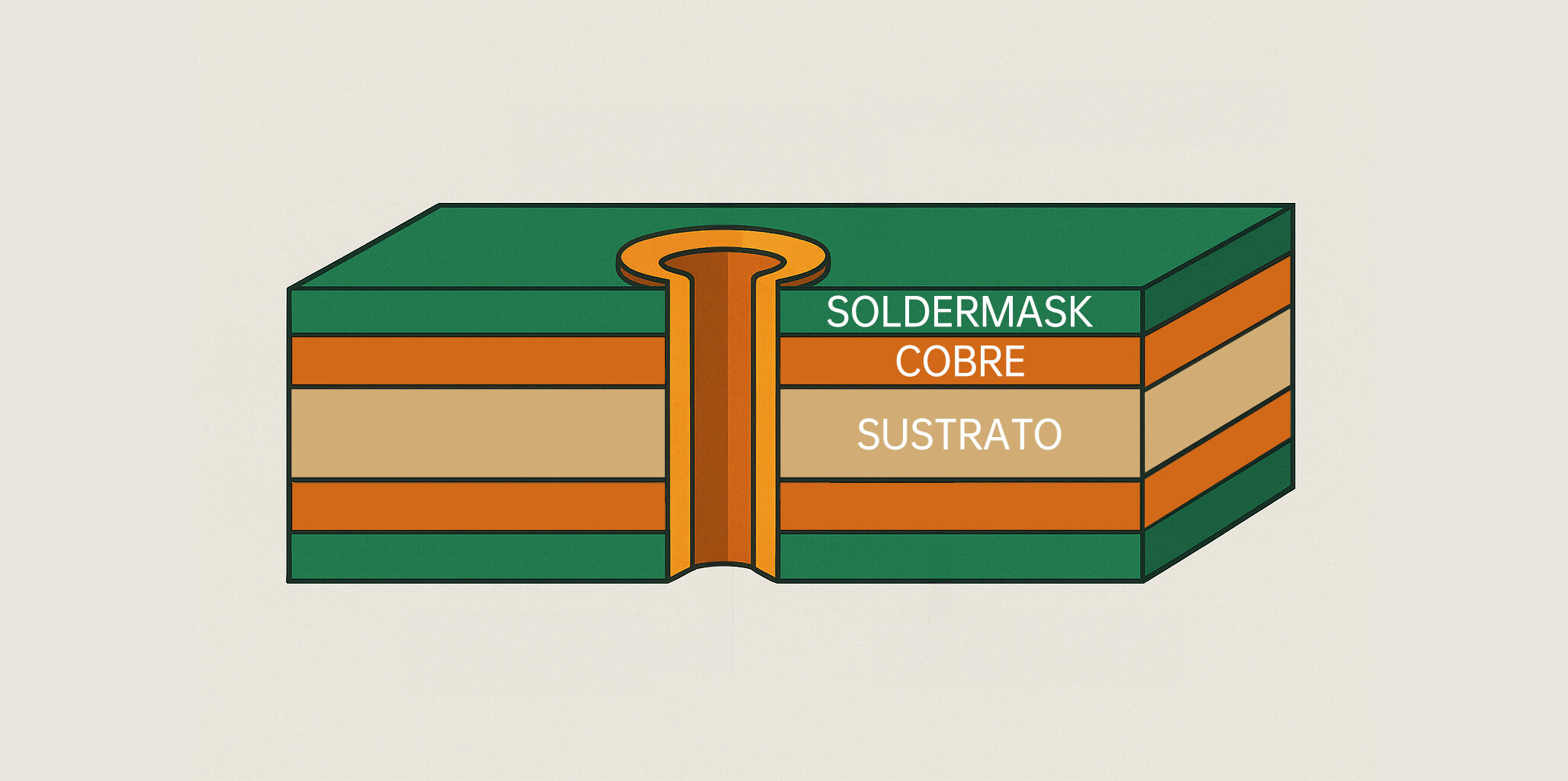
Selecting appropriate pcb materials represents one of the most critical decisions in electronic circuit design, directly impacting performance, reliability, and manufacturing costs. The choice of substrate material influences electrical properties, thermal management, mechanical durability, and overall product longevity. Understanding the fundamental characteristics of different pcb materials enables engineers to make informed decisions that align with specific application requirements and environmental conditions.
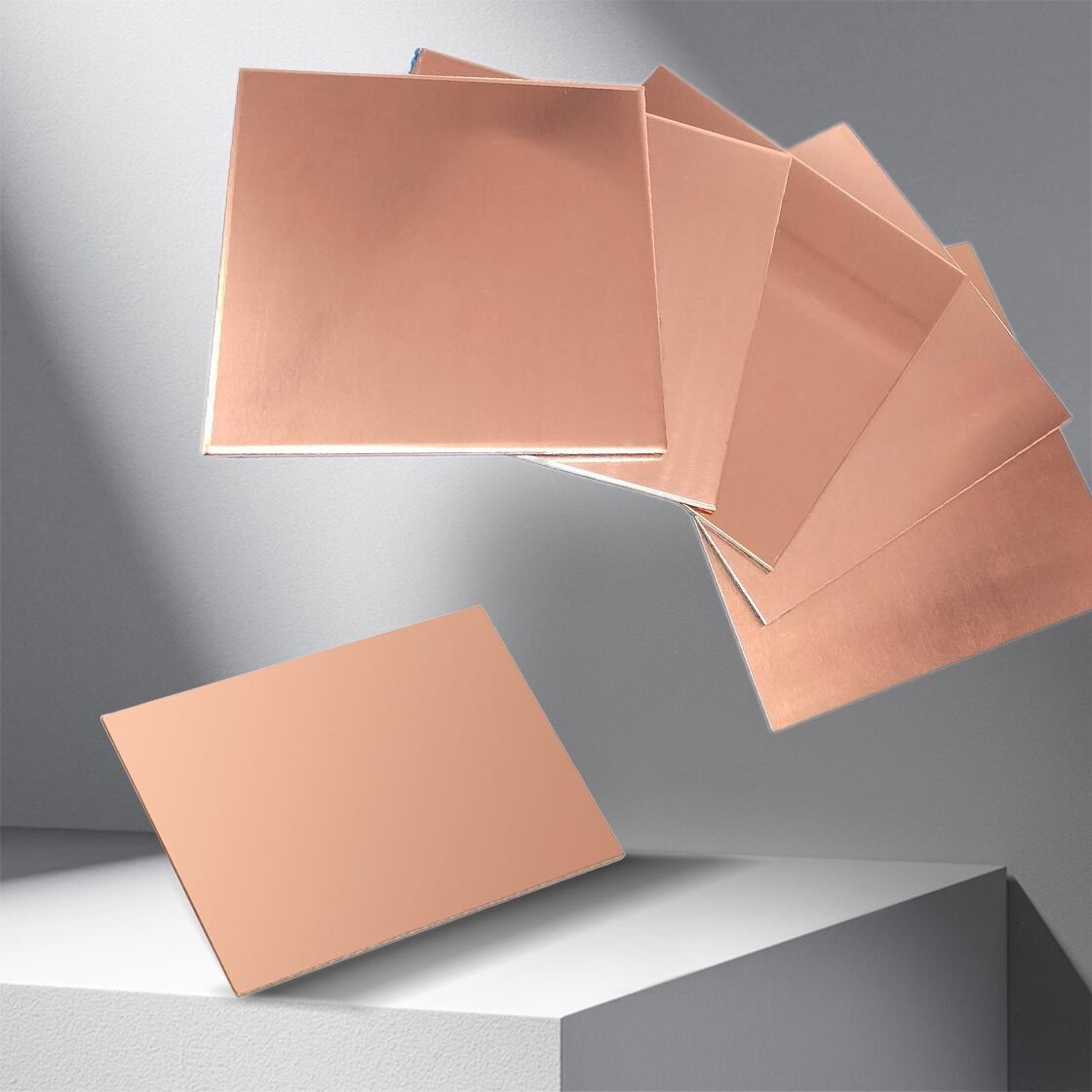
Understanding PCB Material Properties
Dielectric Constant and Loss Tangent
The dielectric constant, also known as relative permittivity, determines how pcb materials affect signal propagation speed and impedance characteristics. Materials with lower dielectric constants enable faster signal transmission and reduced signal delay, making them ideal for high-frequency applications. Loss tangent measures the material's ability to dissipate electrical energy as heat, with lower values indicating better signal integrity preservation.
FR4, the most commonly used substrate material, typically exhibits a dielectric constant ranging from 4.2 to 4.8 at room temperature. However, advanced pcb materials like Rogers or Isola substrates offer more stable dielectric properties across temperature variations and frequency ranges. These specialized materials become essential when designing circuits operating above 1 GHz or in extreme temperature environments.
Thermal Management Characteristics
Thermal conductivity plays a crucial role in heat dissipation, particularly in power electronics and LED applications. Standard pcb materials like FR4 possess relatively low thermal conductivity, limiting their effectiveness in high-power applications. Metal-core PCBs and ceramic substrates provide superior thermal management capabilities, enabling efficient heat transfer from components to heat sinks or ambient environment.
Coefficient of thermal expansion (CTE) matching between pcb materials and components prevents mechanical stress during temperature cycling. Mismatched CTE values can lead to solder joint failures, component cracking, and reliability issues. Selecting materials with appropriate CTE characteristics ensures long-term mechanical stability and reduces warranty claims.
Standard PCB Material Categories
FR4 and Glass Epoxy Substrates
FR4 remains the industry standard for general-purpose applications due to its balanced combination of electrical, mechanical, and cost characteristics. This flame-retardant material consists of woven fiberglass cloth impregnated with epoxy resin, providing good dimensional stability and reasonable electrical performance. Standard FR4 pcb materials offer adequate performance for most digital circuits operating below 1 GHz.
High-performance FR4 variants incorporate modified resin systems and glass weaves to improve electrical properties and reduce signal loss. These enhanced materials bridge the gap between standard FR4 and expensive specialty substrates, offering improved performance for moderately high-frequency applications without significant cost increases.
High-Frequency Specialty Materials
PTFE-based pcb materials excel in microwave and RF applications where signal integrity and low loss characteristics are paramount. These materials maintain stable electrical properties across wide frequency ranges and temperature variations, making them ideal for wireless communication, radar, and satellite applications. However, PTFE substrates require specialized processing techniques and command premium pricing.
Hydrocarbon ceramic materials represent another category of high-performance substrates, offering excellent electrical properties while maintaining compatibility with standard PCB manufacturing processes. These pcb materials provide superior dimensional stability and reduced moisture absorption compared to traditional organic substrates.
Application-Specific Material Selection
High-Speed Digital Applications
Modern digital systems operating at multi-gigabit data rates demand pcb materials with controlled impedance characteristics and minimal signal distortion. Low-loss materials with stable dielectric constants prevent signal reflection and crosstalk issues that can corrupt data transmission. Material selection must consider both the fundamental frequency and harmonic content of digital signals.
Spread spectrum clocking and high-speed serial interfaces generate broad frequency spectrums that challenge traditional pcb materials. Advanced materials with flat frequency response characteristics maintain signal integrity across the entire bandwidth, ensuring reliable data transmission and reducing bit error rates.
Power Electronics and Thermal Management
Power conversion circuits generate significant heat that must be efficiently removed to prevent component degradation and ensure reliable operation. Thermally conductive pcb materials enable direct heat transfer from power semiconductors to external cooling systems. Insulated metal substrate (IMS) and direct bonded copper (DBC) technologies provide excellent thermal pathways while maintaining electrical isolation.
LED lighting applications particularly benefit from thermally enhanced pcb materials that extend diode lifetime and maintain color stability. Aluminum-core and copper-core substrates offer thermal conductivities several orders of magnitude higher than standard organic materials, enabling effective heat spreading and dissipation.
Environmental and Reliability Considerations
Moisture Resistance and Chemical Compatibility
Environmental exposure requirements significantly influence pcb materials selection, particularly for outdoor, automotive, and industrial applications. Moisture absorption affects dielectric properties and can lead to delamination, corrosion, and electrical failures. Selecting materials with low moisture absorption rates ensures consistent performance in humid environments.
Chemical resistance becomes critical in harsh industrial environments where exposure to solvents, acids, or bases may occur. Specialized pcb materials with enhanced chemical resistance maintain structural integrity and electrical properties despite aggressive chemical exposure, extending product lifespan and reducing maintenance requirements.
Temperature Cycling and Mechanical Stress
Automotive and aerospace applications subject pcb materials to extreme temperature variations that induce thermal stress and potential mechanical failures. Materials with matched thermal expansion characteristics and high glass transition temperatures maintain dimensional stability across wide temperature ranges. Proper material selection prevents via barrel cracking and trace lifting that commonly occur during thermal cycling.
Vibration and shock resistance requirements may necessitate flexible or rigid-flex pcb materials that accommodate mechanical deformation without electrical failure. These specialized materials enable electronic systems to survive harsh mechanical environments while maintaining electrical connectivity and signal integrity.
Cost Optimization Strategies
Balancing Performance and Economics
Selecting pcb materials involves careful analysis of performance requirements versus cost implications. Premium materials may offer superior electrical properties but significantly increase manufacturing costs, particularly in high-volume production scenarios. Understanding the minimum acceptable performance specifications helps identify cost-effective material solutions that meet requirements without over-specification.
Stack-up optimization can reduce material costs by strategically placing premium materials only in critical signal layers while using standard materials for power and ground planes. This hybrid approach maintains signal integrity performance while minimizing overall material expenses.
Manufacturing Process Compatibility
Material selection must consider manufacturing process limitations and capabilities of chosen fabrication partners. Exotic pcb materials may require specialized equipment, extended processing times, or additional quality control measures that increase manufacturing costs. Selecting materials compatible with standard PCB manufacturing processes ensures broader supplier availability and competitive pricing.
Design for manufacturability principles should guide material selection to avoid unnecessary complexity and cost escalation. Standard pcb materials often provide adequate performance when properly applied, eliminating the need for expensive specialty substrates in many applications.
Testing and Validation Methods
Electrical Characterization Techniques
Proper validation of pcb materials requires comprehensive electrical testing to verify performance meets design requirements. Time domain reflectometry (TDR) measurements characterize impedance consistency and identify discontinuities that could impact signal integrity. Vector network analyzer testing quantifies insertion loss and return loss across relevant frequency ranges.
Material property variations between manufacturing lots necessitate incoming inspection procedures to ensure consistency. Dielectric constant measurements, loss tangent testing, and dimensional verification help identify material variations that could affect electrical performance or manufacturing yields.
Reliability and Accelerated Life Testing
Long-term reliability validation requires accelerated testing protocols that simulate years of operation in compressed timeframes. Temperature cycling, humidity exposure, and thermal shock testing evaluate how pcb materials respond to environmental stresses. These tests identify potential failure modes and validate material selection for specific application requirements.
Interconnect stress testing evaluates via reliability and trace adhesion under thermal cycling conditions. Understanding material behavior under stress helps predict product lifetime and establish appropriate design margins for reliable operation.
FAQ
What factors should be considered when selecting pcb materials for high-frequency applications
High-frequency pcb materials selection requires evaluation of dielectric constant stability, loss tangent values, and thermal properties across the operating frequency range. Materials with low and stable dielectric constants minimize signal delay and impedance variations, while low loss tangent values preserve signal amplitude and reduce heat generation. Thermal stability ensures consistent electrical properties across temperature variations commonly encountered in high-frequency circuits.
How do environmental conditions affect pcb materials performance
Environmental conditions significantly impact pcb materials through moisture absorption, temperature cycling, and chemical exposure effects. Moisture absorption alters dielectric properties and can cause delamination, while temperature variations induce thermal stress and dimensional changes. Chemical exposure may degrade material properties or cause surface contamination that affects electrical performance. Selecting materials with appropriate environmental resistance characteristics ensures reliable operation in challenging conditions.
What is the difference between standard FR4 and high-performance pcb materials
Standard FR4 provides adequate performance for general-purpose applications but exhibits higher loss tangent values and less stable dielectric properties compared to high-performance materials. Specialty pcb materials offer improved electrical characteristics, better thermal stability, and enhanced mechanical properties at higher cost. The choice depends on specific application requirements, operating frequency, environmental conditions, and cost constraints.
How does material thickness affect PCB performance and manufacturing
Material thickness directly impacts impedance control, manufacturing tolerances, and mechanical rigidity of pcb materials. Thinner substrates enable finer feature resolution and reduced via aspect ratios but may compromise mechanical stability. Thicker materials provide better mechanical support and thermal mass but increase manufacturing complexity and cost. Optimal thickness selection balances electrical performance, mechanical requirements, and manufacturing constraints for specific applications.
Table of Contents
- Understanding PCB Material Properties
- Standard PCB Material Categories
- Application-Specific Material Selection
- Environmental and Reliability Considerations
- Cost Optimization Strategies
- Testing and Validation Methods
-
FAQ
- What factors should be considered when selecting pcb materials for high-frequency applications
- How do environmental conditions affect pcb materials performance
- What is the difference between standard FR4 and high-performance pcb materials
- How does material thickness affect PCB performance and manufacturing