
 EN
EN
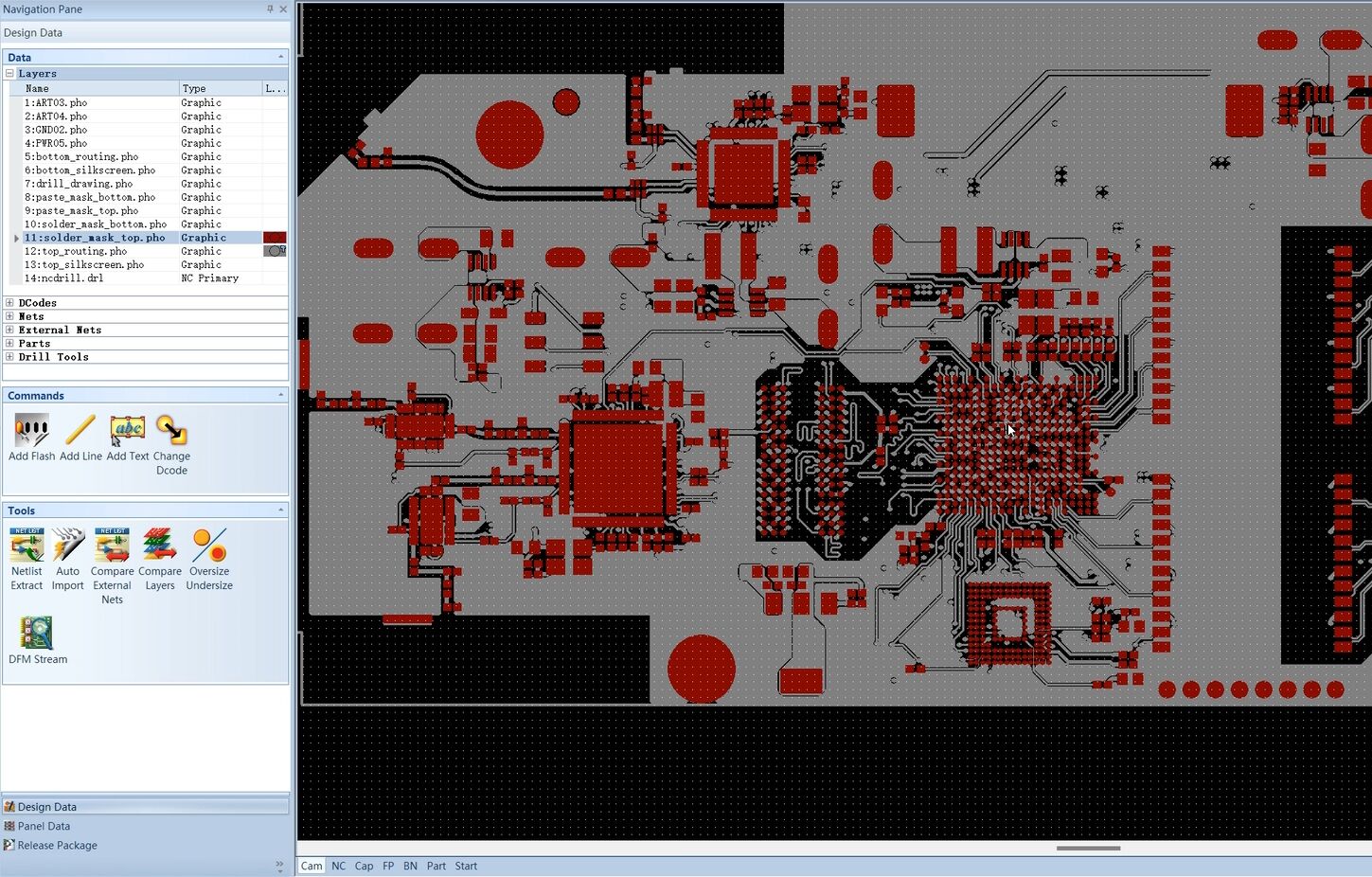
The foundation of every reliable electronic device lies in the careful selection and implementation of superior PCB materials. Modern electronics manufacturing demands materials that can withstand extreme conditions while maintaining consistent performance across diverse applications. High-quality PCB materials serve as the backbone of electronic circuits, determining everything from signal integrity to thermal management and overall device longevity. Understanding the comprehensive benefits of premium PCB materials is essential for engineers, manufacturers, and product designers who aim to create robust, efficient electronic systems that meet today's stringent performance requirements.
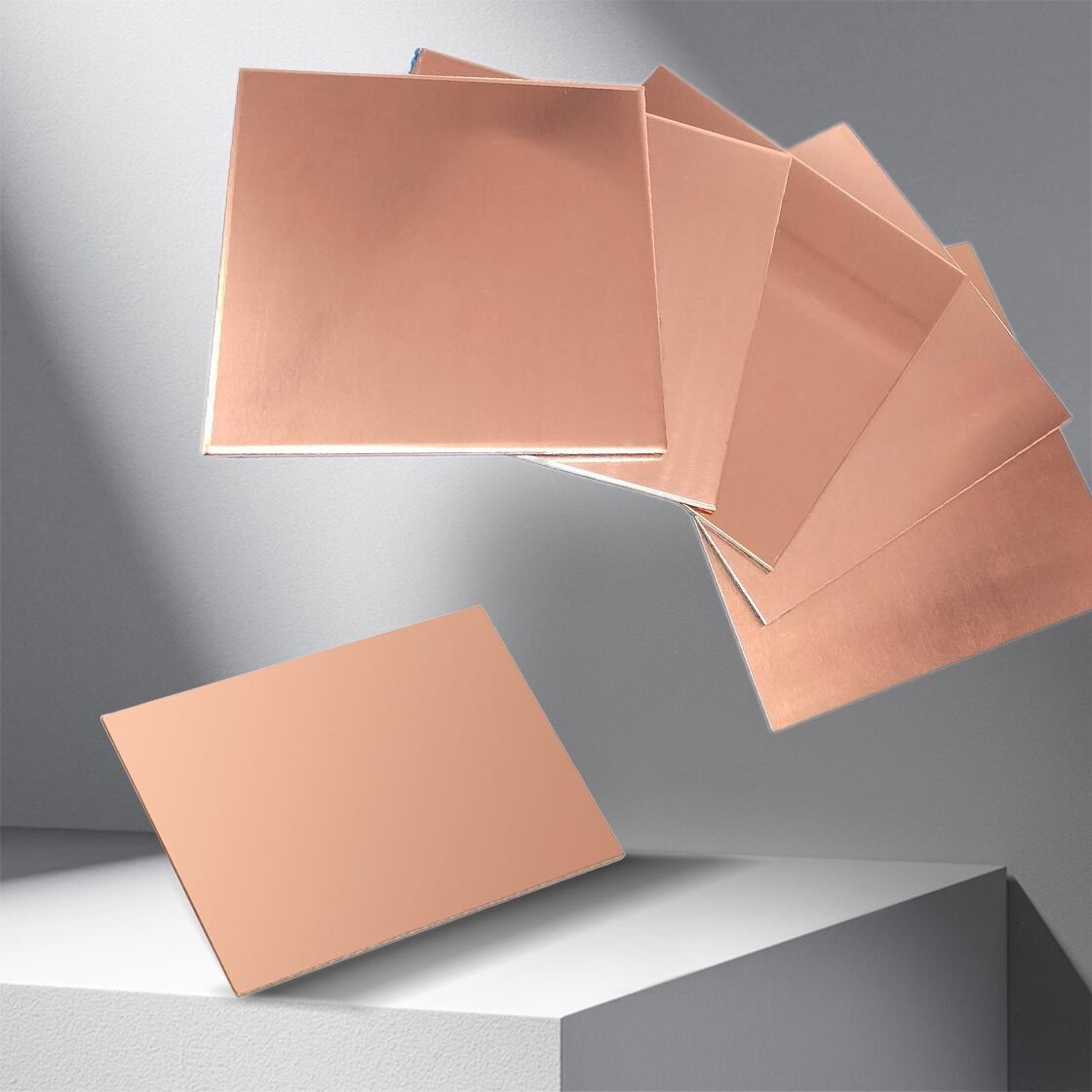
Enhanced Electrical Performance and Signal Integrity
Superior Dielectric Properties
Premium PCB materials exhibit exceptional dielectric properties that directly impact circuit performance and reliability. These materials maintain consistent dielectric constants across varying frequencies and temperatures, ensuring predictable signal behavior throughout the operational range. The low loss tangent characteristics of high-quality PCB materials minimize signal attenuation, reducing power consumption and heat generation. Advanced substrate materials like polyimide and ceramic-filled composites offer superior electrical insulation properties compared to standard materials, making them ideal for high-frequency applications where signal integrity is paramount.
The molecular structure of premium PCB materials is engineered to provide stable electrical characteristics under diverse environmental conditions. This stability translates into more predictable circuit behavior, reduced electromagnetic interference, and improved overall system performance. Engineers can rely on consistent electrical properties when designing complex multi-layer boards, knowing that the substrate will maintain its specifications throughout the product lifecycle.
Reduced Signal Loss and Crosstalk
High-quality PCB materials significantly reduce signal loss and minimize crosstalk between adjacent traces, critical factors in high-speed digital applications. The uniform density and composition of premium materials create consistent impedance characteristics, preventing signal reflections and maintaining signal integrity across long trace lengths. This consistency becomes increasingly important as operating frequencies continue to rise in modern electronic designs.
Advanced PCB materials incorporate specialized fillers and matrix compositions that optimize the balance between mechanical strength and electrical performance. These materials enable tighter trace spacing without compromising signal quality, allowing for more compact designs while maintaining excellent electrical isolation between circuits. The result is enhanced system performance with reduced electromagnetic interference and improved signal-to-noise ratios.
Superior Thermal Management Capabilities
Enhanced Heat Dissipation
Effective thermal management is crucial for electronic device reliability, and premium PCB materials excel in heat dissipation capabilities. High-quality materials feature enhanced thermal conductivity that efficiently transfers heat away from critical components, preventing hot spots and thermal stress. Materials like metal-core PCBs and thermally conductive composites provide pathways for heat flow that significantly outperform standard materials in demanding thermal environments.
The thermal properties of superior PCB materials remain stable across wide temperature ranges, ensuring consistent performance in applications subjected to varying thermal conditions. This thermal stability prevents delamination, warping, and other thermal-related failures that can compromise circuit integrity. Advanced materials maintain their structural and electrical properties even under extreme temperature cycling, extending product lifespan and reducing maintenance requirements.
Improved Thermal Stability
Premium PCB materials demonstrate exceptional thermal stability, maintaining their physical and electrical properties across extended temperature ranges. This stability is achieved through carefully controlled resin systems and reinforcement materials that resist degradation under thermal stress. The glass transition temperature of high-quality materials is optimized to ensure dimensional stability during manufacturing processes and operational conditions.
Thermal expansion characteristics of superior PCB materials are precisely controlled to match component expansion rates, minimizing stress at solder joints and component interfaces. This thermal compatibility reduces the risk of mechanical failures and extends the operational life of electronic assemblies. The consistent thermal behavior of premium materials enables more reliable thermal modeling and prediction, supporting better design optimization.
Mechanical Strength and Durability Advantages
Enhanced Structural Integrity
High-quality PCB materials provide superior mechanical strength and structural integrity compared to standard alternatives. The reinforcement systems used in premium materials, such as high-strength glass fabrics and advanced resin matrices, create composites with excellent flexural and tensile strength. This mechanical robustness enables the design of thinner boards without compromising reliability, supporting miniaturization trends in modern electronics.
The dimensional stability of premium PCB materials ensures that circuit boards maintain their shape and size throughout manufacturing processes and operational life. This stability is critical for maintaining precise component placement and preventing stress-related failures. Superior materials resist warping, twisting, and other dimensional changes that can affect circuit performance and assembly reliability.
Resistance to Environmental Factors
Premium PCB materials demonstrate exceptional resistance to environmental factors including moisture, chemicals, and UV radiation. The molecular structure of high-quality materials is designed to resist water absorption, preventing swelling and delamination that can occur with inferior substrates. This moisture resistance is particularly important in outdoor applications and high-humidity environments where standard materials may fail.
Chemical resistance properties of superior PCB materials protect against corrosive environments and cleaning processes used in manufacturing and maintenance. The stable polymer structures resist degradation from solvents, acids, and other chemicals commonly encountered in electronic applications. This chemical stability ensures long-term reliability and reduces the risk of material-related failures in harsh operating conditions.
Manufacturing Process Benefits
Improved Processing Characteristics
High-quality PCB materials offer superior processing characteristics that enhance manufacturing efficiency and yield rates. These materials demonstrate consistent behavior during drilling, routing, and other machining operations, producing clean, precise features with minimal tool wear. The uniform composition of premium materials ensures predictable processing results, reducing manufacturing variations and improving quality control.
The lamination properties of superior PCB materials enable better control over multilayer board construction, ensuring consistent layer-to-layer bonding and eliminating voids or delamination issues. Advanced materials cure uniformly under controlled temperature and pressure conditions, creating reliable interlayer connections that maintain their integrity throughout the product lifecycle. This processing reliability translates into higher manufacturing yields and reduced production costs.
Enhanced Plating and Surface Finish Compatibility
Premium PCB materials demonstrate excellent compatibility with various plating processes and surface finishes, ensuring reliable electrical connections and component attachment. The surface energy and chemistry of high-quality materials promote strong adhesion with copper plating and other metallization systems. This compatibility is essential for creating reliable through-hole and via connections that maintain low resistance throughout the operational life.
The smooth, consistent surface finish achievable with superior PCB materials supports fine-pitch component assembly and high-density interconnect applications. These materials enable precise solder mask application and resist definition, critical factors in modern surface-mount technology applications. The dimensional stability during processing ensures accurate registration between layers and maintains tight tolerances required for advanced packaging technologies.
Long-term Reliability and Cost Effectiveness
Extended Product Lifespan
Investing in high-quality PCB materials results in significantly extended product lifespans, delivering superior long-term value compared to standard alternatives. The enhanced stability and durability of premium materials reduce the likelihood of failures related to material degradation, thermal cycling, and environmental stress. This reliability translates into reduced warranty costs and improved customer satisfaction for manufacturers.
The consistent performance characteristics of superior PCB materials ensure that electronic devices maintain their specifications throughout their intended operational life. This consistency is particularly valuable in mission-critical applications where reliability cannot be compromised. The predictable aging behavior of premium materials enables better life cycle planning and maintenance scheduling.
Reduced Maintenance and Replacement Costs
While premium PCB materials may have higher initial costs, they deliver substantial savings through reduced maintenance requirements and lower failure rates. The enhanced durability and stability of high-quality materials minimize the need for repairs and replacements, particularly important in applications where downtime is costly. This reliability advantage becomes more significant over time, often justifying the initial investment through operational savings.
The superior performance of premium PCB materials enables the design of more reliable systems with fewer backup components and redundancy requirements. This efficiency can reduce overall system complexity and cost while improving performance. The predictable behavior of high-quality materials also simplifies testing and validation processes, reducing development time and costs.
FAQ
How do high-quality PCB materials improve signal integrity in high-frequency applications
High-quality PCB materials improve signal integrity through consistent dielectric properties, low loss tangents, and uniform material composition. These characteristics minimize signal attenuation, reduce electromagnetic interference, and maintain stable impedance values across frequency ranges. Premium materials also offer better control over trace geometry and spacing, enabling more precise impedance matching for high-frequency designs.
What thermal advantages do premium PCB materials provide over standard options
Premium PCB materials offer superior thermal conductivity, enhanced heat dissipation capabilities, and better thermal stability compared to standard options. They maintain consistent properties across wide temperature ranges, resist thermal degradation, and provide controlled thermal expansion that matches component requirements. These thermal advantages prevent hot spots, reduce thermal stress, and extend component life in demanding applications.
Are the higher costs of quality PCB materials justified for commercial applications
The higher initial costs of quality PCB materials are typically justified through improved reliability, extended product lifespans, and reduced maintenance requirements. Premium materials reduce failure rates, minimize warranty claims, and enable more efficient designs that can offset initial cost premiums. The total cost of ownership often favors high-quality materials, particularly in applications where reliability and performance are critical.
How do premium PCB materials enhance manufacturing efficiency and yield rates
Premium PCB materials enhance manufacturing efficiency through consistent processing characteristics, uniform composition, and predictable behavior during fabrication. They enable higher drilling speeds, produce cleaner cuts, and demonstrate better lamination properties that reduce manufacturing defects. The dimensional stability and surface quality of premium materials also support fine-pitch assembly and reduce quality control issues, resulting in higher yield rates and improved manufacturing economics.
Table of Contents
- Enhanced Electrical Performance and Signal Integrity
- Superior Thermal Management Capabilities
- Mechanical Strength and Durability Advantages
- Manufacturing Process Benefits
- Long-term Reliability and Cost Effectiveness
-
FAQ
- How do high-quality PCB materials improve signal integrity in high-frequency applications
- What thermal advantages do premium PCB materials provide over standard options
- Are the higher costs of quality PCB materials justified for commercial applications
- How do premium PCB materials enhance manufacturing efficiency and yield rates