
 EN
EN
In today's rapidly evolving electronics industry, the demand for high-quality printed circuit boards has reached unprecedented levels. Professional PCB Assembly facilities serve as the backbone of modern electronics manufacturing, providing specialized expertise and advanced capabilities that individual companies often cannot achieve in-house. These dedicated facilities combine cutting-edge technology with skilled technicians to deliver superior results across various industries including automotive, telecommunications, medical devices, and consumer electronics.

Advanced Manufacturing Capabilities and Technology Integration
State-of-the-Art Equipment and Precision Manufacturing
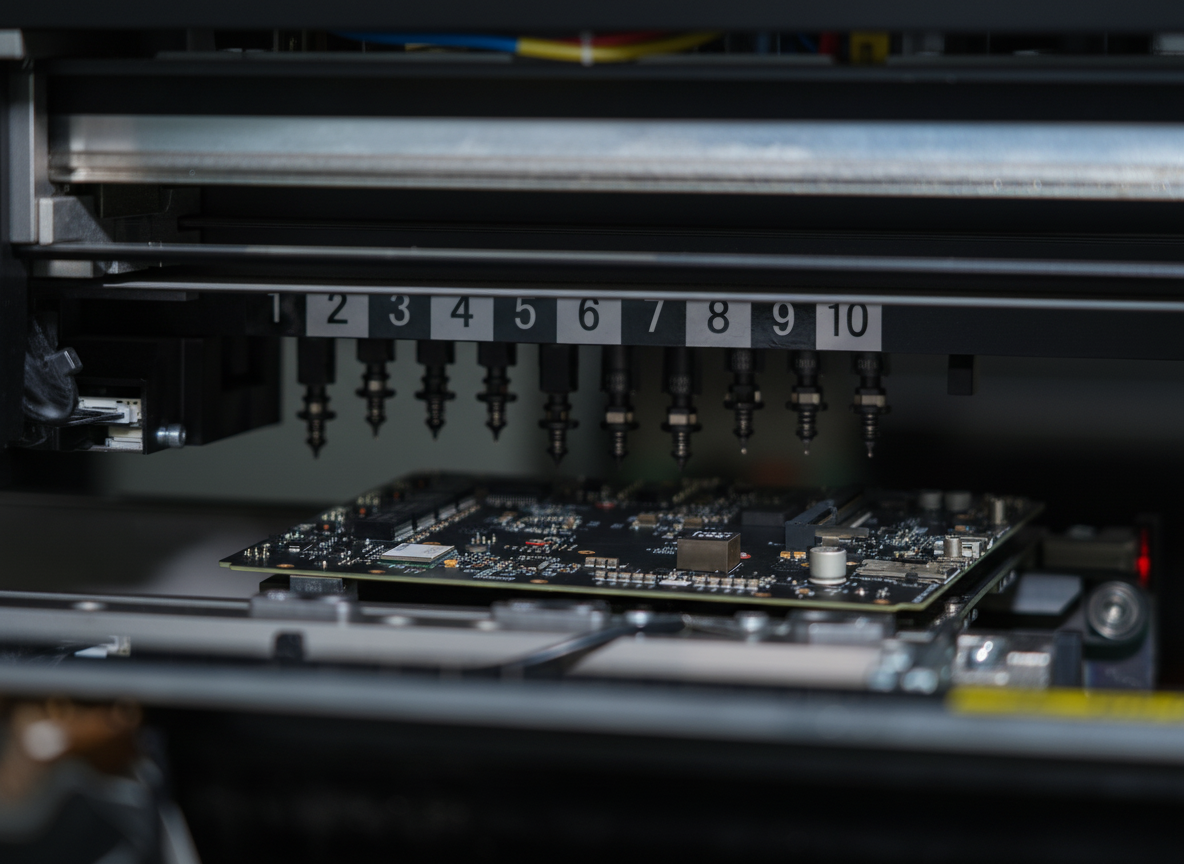
Professional PCB Assembly factories invest heavily in sophisticated equipment that ensures exceptional accuracy and reliability. Surface mount technology machines, automated optical inspection systems, and X-ray inspection equipment work together to maintain the highest quality standards. These facilities utilize pick-and-place machines capable of positioning components with micron-level precision, significantly reducing the risk of manufacturing defects. The integration of Industry 4.0 technologies enables real-time monitoring and quality control throughout the PCB Assembly process, ensuring consistent results across large production volumes.
The sophisticated nature of modern electronics demands manufacturing processes that can handle increasingly complex designs and miniaturized components. Professional facilities maintain climate-controlled environments with stringent contamination controls, protecting sensitive components during the PCB Assembly process. Advanced reflow ovens with multiple temperature zones ensure optimal soldering profiles for different component types, while selective soldering equipment handles through-hole components with exceptional precision.
Scalability and Production Flexibility
One of the most significant advantages of partnering with professional PCB Assembly factories lies in their ability to scale production according to market demands. These facilities maintain multiple production lines that can be configured for various project requirements, from prototype development to high-volume manufacturing. The flexibility to adjust production capacity helps companies respond quickly to market opportunities without the substantial capital investment required for in-house expansion.
Professional PCB Assembly operations employ sophisticated production planning systems that optimize workflow efficiency and minimize lead times. Advanced scheduling algorithms balance workload distribution across multiple lines while maintaining quality standards. This systematic approach enables faster turnaround times for urgent projects while ensuring consistent delivery schedules for regular production runs.
Quality Assurance and Compliance Standards
Comprehensive Testing and Inspection Protocols
Quality assurance represents a cornerstone of professional PCB Assembly operations, with multi-layered testing protocols designed to identify and eliminate defects before products reach the market. In-circuit testing verifies individual component functionality, while functional testing ensures complete system performance under real-world conditions. Automated optical inspection systems examine solder joint quality, component placement accuracy, and overall assembly integrity with microscopic precision.
Professional facilities implement statistical process control methods that continuously monitor production parameters and identify potential quality issues before they impact finished products. These proactive quality measures significantly reduce the likelihood of field failures and warranty claims. Environmental stress testing subjects assembled boards to temperature cycling, vibration, and humidity exposure to verify long-term reliability under demanding operating conditions.
Industry Certifications and Regulatory Compliance
Leading PCB Assembly factories maintain multiple industry certifications including ISO 9001, ISO 14001, and IPC standards that demonstrate their commitment to quality and environmental responsibility. These certifications require regular audits and continuous improvement processes that benefit all customers. Compliance with automotive standards such as IATF 16949 enables service to demanding automotive applications, while medical device regulations like ISO 13485 support healthcare electronics manufacturing.
Regulatory compliance extends beyond quality systems to include environmental regulations such as RoHS and REACH, ensuring that assembled products meet international market requirements. Professional facilities maintain detailed documentation systems that provide full traceability throughout the PCB Assembly process, supporting customer audits and regulatory inspections with comprehensive records.
Cost Efficiency and Economic Advantages
Reduced Capital Investment Requirements
Partnering with professional PCB Assembly facilities eliminates the substantial capital investment required for establishing in-house manufacturing capabilities. The cost of advanced assembly equipment, including high-speed placement machines and inspection systems, can reach millions of dollars before considering facility construction and setup expenses. Professional facilities spread these costs across multiple customers, providing access to state-of-the-art technology at a fraction of the individual investment cost.
Beyond equipment costs, professional PCB Assembly operations require specialized technical expertise that can be expensive to develop internally. Skilled technicians, process engineers, and quality specialists command premium salaries, while ongoing training ensures they remain current with evolving technologies. Professional facilities maintain these specialized teams as their core competency, providing customers with expert knowledge without the overhead of full-time employment costs.
Supply Chain Optimization and Component Sourcing
Professional PCB Assembly factories leverage established relationships with component suppliers to secure favorable pricing and ensure reliable availability. Their purchasing power enables better negotiation terms and access to allocation during component shortages. Sophisticated supply chain management systems track component lifecycle status and proactively identify potential obsolescence issues before they impact production schedules.
Inventory management expertise reduces carrying costs while maintaining adequate stock levels for production continuity. Professional facilities employ just-in-time delivery strategies that minimize working capital requirements while ensuring component availability for scheduled production runs. Their experience with global supply chains helps navigate international logistics complexities and minimize potential disruptions.
Technical Expertise and Design Support
Design for Manufacturing Optimization
Professional PCB Assembly facilities provide valuable design feedback that optimizes products for efficient manufacturing while maintaining performance requirements. Their engineers review design files to identify potential assembly challenges and suggest improvements that enhance manufacturability without compromising functionality. This collaborative approach often results in cost reductions and improved product reliability through design optimization.
Design for testability consultation helps ensure that finished assemblies can be thoroughly verified during production. Professional facilities recommend test point placement, boundary scan implementation, and other design features that facilitate comprehensive testing. Their experience across multiple industries provides insights into best practices that benefit current and future product development efforts.
Process Engineering and Continuous Improvement
Dedicated process engineers at professional PCB Assembly facilities continuously refine manufacturing processes to improve efficiency, quality, and reliability. Their expertise in thermal profiling, stencil design, and placement optimization ensures optimal results for each unique product configuration. Statistical analysis of production data identifies opportunities for process improvements that benefit all stakeholders.
Professional facilities invest in research and development activities that advance PCB Assembly technologies and techniques. This ongoing innovation benefits customers through improved capabilities, reduced costs, and enhanced quality. Their participation in industry organizations and standards committees ensures they remain at the forefront of technological developments.
Risk Management and Business Continuity
Disaster Recovery and Business Continuity Planning
Professional PCB Assembly facilities implement comprehensive disaster recovery plans that protect against business disruptions from natural disasters, equipment failures, or other unforeseen events. Multiple facility locations provide geographic redundancy that enables production continuation even if one site becomes unavailable. Regular backup procedures and off-site data storage ensure critical information remains accessible during emergency situations.
Business continuity planning includes supplier diversification strategies that reduce dependency on single-source components or services. Professional facilities maintain relationships with multiple suppliers for critical materials and services, enabling rapid response to supply chain disruptions. Their experience managing supply chain challenges helps customers navigate difficult market conditions while maintaining production schedules.
Quality Risk Mitigation
Professional PCB Assembly operations implement multiple layers of quality control that significantly reduce the risk of defective products reaching customers. Their systematic approach to quality management includes incoming inspection, in-process monitoring, and final testing protocols that identify and correct issues before shipment. Statistical quality data provides transparency into process performance and enables proactive improvement initiatives.
Insurance coverage and quality guarantees provide additional protection against potential quality issues. Professional facilities typically maintain comprehensive liability insurance and offer warranty programs that protect customers against manufacturing defects. Their established quality systems and documentation practices support rapid problem resolution when issues do occur.
FAQ
How do professional PCB Assembly factories ensure consistent quality across different product types
Professional facilities maintain standardized processes and quality systems that apply consistent quality standards regardless of product complexity or volume. They utilize documented procedures, regular calibration of equipment, and comprehensive training programs for all personnel. Statistical process control monitors key parameters in real-time, while regular audits verify adherence to established quality standards. This systematic approach ensures reliable quality outcomes across diverse product portfolios.
What cost savings can companies expect when outsourcing PCB Assembly to professional facilities
Cost savings typically range from 20-40% compared to in-house manufacturing when considering all factors including equipment depreciation, labor costs, facility overhead, and supply chain expenses. Professional PCB Assembly facilities achieve these savings through economies of scale, optimized processes, and efficient resource utilization. Additional savings come from reduced inventory carrying costs, elimination of equipment maintenance expenses, and access to volume pricing on components and materials.
How do professional PCB Assembly factories handle intellectual property protection and confidentiality
Reputable PCB Assembly facilities implement comprehensive confidentiality agreements and information security protocols that protect customer intellectual property. These measures include restricted access to sensitive areas, secure data storage systems, and confidentiality training for all personnel. Many facilities maintain separate production areas for sensitive projects and employ digital security measures that prevent unauthorized access to design files and proprietary information.
What should companies consider when selecting a professional PCB Assembly partner
Key selection criteria include industry certifications, technical capabilities, quality track record, and cultural fit with your organization. Evaluate their equipment capabilities, capacity for your volume requirements, and experience with similar product types. Financial stability, geographic location, and communication capabilities also impact long-term partnership success. Request references from existing customers and conduct facility tours to assess their operations firsthand before making final decisions.
Table of Contents
- Advanced Manufacturing Capabilities and Technology Integration
- Quality Assurance and Compliance Standards
- Cost Efficiency and Economic Advantages
- Technical Expertise and Design Support
- Risk Management and Business Continuity
-
FAQ
- How do professional PCB Assembly factories ensure consistent quality across different product types
- What cost savings can companies expect when outsourcing PCB Assembly to professional facilities
- How do professional PCB Assembly factories handle intellectual property protection and confidentiality
- What should companies consider when selecting a professional PCB Assembly partner