
 EN
EN
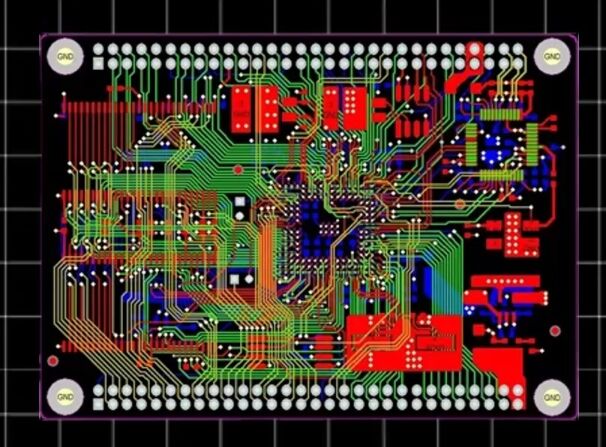
The foundation of any electronic device lies in its printed circuit board, and understanding the significance of pcb materials is essential for engineers and manufacturers seeking optimal performance. Modern electronics demand increasingly sophisticated circuit boards that can handle higher frequencies, temperatures, and electrical loads while maintaining reliability and cost-effectiveness. The selection of appropriate pcb materials directly impacts signal integrity, thermal management, mechanical durability, and overall system performance. From smartphones and automotive electronics to aerospace applications and medical devices, the choice of substrate materials determines whether a product will meet its design specifications and perform reliably throughout its intended lifespan. As electronic systems become more complex and miniaturized, the importance of selecting the right pcb materials has never been more critical.
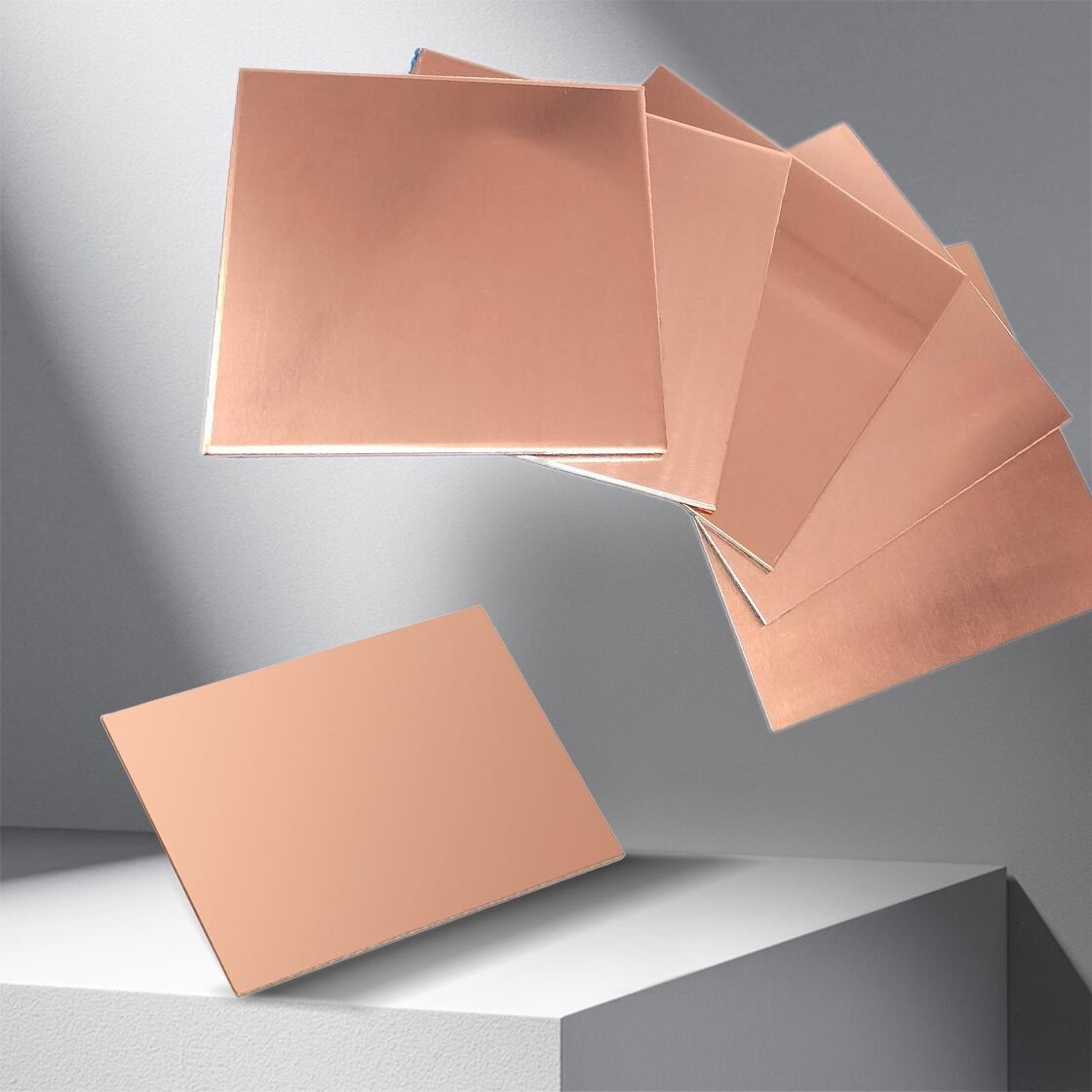
Understanding PCB Material Properties and Their Impact
Dielectric Constant and Signal Integrity
The dielectric constant of pcb materials plays a fundamental role in determining signal propagation characteristics and impedance control. Materials with lower dielectric constants enable faster signal transmission and reduced signal loss, making them ideal for high-frequency applications. When designing circuits that operate at gigahertz frequencies, engineers must carefully consider how the dielectric properties of their chosen pcb materials will affect signal integrity and electromagnetic interference. The consistency of dielectric properties across temperature and frequency ranges also influences the stability and predictability of circuit performance.
Signal integrity becomes increasingly challenging as trace lengths decrease and operating frequencies increase. The interaction between copper traces and the surrounding dielectric material creates capacitive and inductive effects that can distort signals and introduce noise. High-quality pcb materials with stable dielectric properties help maintain clean signal transmission by minimizing these parasitic effects. Engineers working on high-speed digital designs must balance the electrical performance benefits of premium materials against cost considerations and manufacturing constraints.
Thermal Management Characteristics
Effective thermal management through appropriate pcb materials selection prevents component overheating and ensures reliable long-term operation. The thermal conductivity of substrate materials determines how efficiently heat generated by electronic components can be dissipated to the surrounding environment. Materials with higher thermal conductivity help spread heat more evenly across the board surface, reducing hot spots that could lead to component failure or performance degradation. This thermal performance becomes particularly critical in power electronics applications where components generate significant amounts of heat during normal operation.
The coefficient of thermal expansion in pcb materials affects mechanical reliability when boards experience temperature cycling. Mismatched thermal expansion between different materials can create stress concentrations that lead to solder joint failures, via cracking, or delamination. Selecting pcb materials with thermal expansion coefficients that closely match those of mounted components helps maintain mechanical integrity throughout the operating temperature range. Advanced applications often require specialized materials with enhanced thermal properties to meet stringent reliability requirements.
Common PCB Material Types and Applications
FR4 Standard Applications
FR4 remains the most widely used category of pcb materials due to its excellent balance of electrical, mechanical, and thermal properties at a reasonable cost. This glass-reinforced epoxy resin material provides good dielectric strength, mechanical stability, and flame resistance suitable for a broad range of electronic applications. Standard FR4 formulations work well for consumer electronics, industrial controls, and moderate-frequency digital circuits where cost-effectiveness is a primary consideration. The material's proven track record and widespread availability make it the default choice for many PCB designs.
However, standard FR4 pcb materials do have limitations in high-frequency applications due to relatively high dielectric loss and inconsistent electrical properties at elevated frequencies. The material's thermal performance, while adequate for many applications, may not meet the requirements of power-intensive designs or extreme operating environments. Understanding these limitations helps engineers determine when alternative materials might be necessary for optimal performance.
High-Frequency Material Solutions
Specialized high-frequency pcb materials address the limitations of standard substrates in demanding RF and microwave applications. These materials typically feature lower dielectric constants, reduced loss tangents, and more stable electrical properties across wide frequency ranges. PTFE-based materials, ceramic-filled substrates, and hydrocarbon resins represent common approaches to achieving superior high-frequency performance. The selection criteria for these materials must consider not only electrical performance but also mechanical properties, thermal characteristics, and manufacturing compatibility.
Advanced pcb materials for high-frequency applications often incorporate specialized reinforcement structures and filler materials to optimize specific performance characteristics. The trade-offs between electrical performance, mechanical strength, thermal management, and cost become more pronounced as material performance increases. Engineers must carefully evaluate their specific application requirements to determine whether the additional expense of premium materials is justified by the performance benefits achieved.
Material Selection Criteria for Optimal Performance
Electrical Performance Requirements
Selecting appropriate pcb materials requires careful analysis of electrical performance requirements including operating frequency, signal integrity needs, and power handling capabilities. The dielectric properties of candidate materials must align with impedance control requirements and loss budget constraints for the specific application. High-speed digital designs may prioritize low dielectric constant and loss tangent, while power applications might emphasize thermal conductivity and breakdown voltage. Understanding the electrical stress conditions that the board will experience helps narrow the material selection to candidates that can reliably meet performance requirements.
The interaction between electrical requirements and manufacturing constraints often influences final material selection decisions. Some high-performance pcb materials may require specialized processing techniques or have limited availability from fabrication partners. Balancing optimal electrical performance with practical manufacturing considerations ensures that chosen materials can be successfully implemented in production volumes while meeting quality and reliability standards.
Environmental and Mechanical Considerations
Environmental operating conditions significantly influence the selection of appropriate pcb materials for reliable long-term performance. Temperature extremes, humidity exposure, chemical compatibility, and mechanical stress all impact material performance and reliability. Automotive and aerospace applications often require materials that maintain their properties across wide temperature ranges while resisting moisture absorption and chemical degradation. The mechanical properties of pcb materials must also support the physical requirements of the application, including flexural strength, dimensional stability, and resistance to thermal cycling stress.
Understanding the complete environmental profile that the PCB will encounter throughout its service life helps engineers select materials with appropriate margins for reliable operation. Some applications may require specialized pcb materials with enhanced resistance to specific environmental stresses such as high altitude, radiation exposure, or corrosive atmospheres. The long-term stability of material properties under environmental stress becomes particularly important in applications where field replacement is difficult or expensive.
Manufacturing Considerations and Material Compatibility
Fabrication Process Requirements
The manufacturability of pcb materials significantly impacts both production costs and yield rates in PCB fabrication. Different materials require specific processing parameters for drilling, plating, etching, and lamination operations. Some high-performance pcb materials may need specialized tooling, modified process temperatures, or extended processing times that increase manufacturing complexity and costs. Understanding the fabrication requirements of candidate materials helps ensure compatibility with available manufacturing capabilities and quality standards.
The dimensional stability and thermal properties of pcb materials during manufacturing processes affect registration accuracy and layer-to-layer alignment in multilayer boards. Materials that experience significant dimensional changes during fabrication can lead to misaligned vias, poor layer registration, or warped finished boards. Selecting materials with proven manufacturing compatibility helps ensure consistent quality and yield rates while minimizing production complications and costs.
Assembly Process Compatibility
Component assembly processes impose additional requirements on pcb materials including solder reflow temperatures, thermal cycling resistance, and mechanical stability during handling. The thermal properties of substrate materials must be compatible with standard assembly processes while maintaining structural integrity and electrical performance. Some specialized pcb materials may require modified assembly parameters or have restrictions on component types that can be successfully mounted. Understanding these assembly considerations helps ensure that material selection supports both fabrication and final assembly requirements.
The long-term reliability of assembled boards depends on the compatibility between component materials, solder alloys, and substrate materials throughout multiple thermal cycles. Mismatched thermal expansion coefficients can create stress concentrations that lead to solder joint failures or component damage during temperature cycling. Selecting pcb materials with thermal properties that complement the planned assembly processes and component selection helps ensure reliable long-term performance in field applications.
Cost-Performance Optimization Strategies
Balancing Material Costs and Performance Benefits
Optimizing the selection of pcb materials requires careful analysis of the relationship between material costs and performance benefits for specific applications. Premium materials with superior electrical or thermal properties often command significantly higher prices than standard alternatives, making cost justification an important part of the selection process. Engineers must evaluate whether the performance improvements achieved by expensive materials translate into meaningful system-level benefits that justify the additional costs. In many cases, standard pcb materials can meet performance requirements at a fraction of the cost of specialized alternatives.
The total cost impact of material selection extends beyond raw material prices to include manufacturing complexity, yield rates, and testing requirements. Some high-performance pcb materials may require specialized processing that increases fabrication costs or reduces yields, offsetting some of the benefits of improved material properties. A comprehensive cost analysis should consider the entire product lifecycle including development, manufacturing, testing, and field reliability to determine the optimal balance between material performance and total system costs.
Volume Production Considerations
Material selection decisions often differ significantly between prototype development and volume production phases due to cost scaling effects and supply chain considerations. Prototype boards may use premium pcb materials to maximize performance margins and reduce development risk, while production boards optimize for cost-effectiveness and material availability. The transition from development to production requires careful evaluation of material substitutions to ensure that cost optimizations do not compromise critical performance characteristics or reliability requirements.
Supply chain stability and material availability become increasingly important factors as production volumes increase. Some specialized pcb materials may have limited supplier bases or long lead times that create supply chain risks for high-volume production. Balancing performance requirements with supply chain considerations helps ensure that material selections support both current production needs and future scalability requirements while maintaining consistent quality and availability.
Future Trends in PCB Material Development
Advanced Material Technologies
The evolution of pcb materials continues to address the increasing demands of modern electronic systems for higher performance, greater miniaturization, and improved reliability. New material formulations incorporate advanced polymer chemistries, nano-scale fillers, and hybrid reinforcement structures to achieve superior electrical, thermal, and mechanical properties. These developments enable PCB designs that were previously impossible with conventional materials, opening new possibilities for system integration and performance optimization. The ongoing research into novel pcb materials focuses on addressing specific application challenges such as extreme temperature operation, ultra-high frequency performance, and enhanced thermal management.
Emerging manufacturing technologies and assembly processes are driving requirements for pcb materials with new combinations of properties. The trend toward flexible and rigid-flex designs requires materials that can withstand repeated bending while maintaining electrical and mechanical integrity. Three-dimensional packaging approaches and embedded component technologies place new demands on material properties and processing capabilities. Understanding these technological trends helps engineers anticipate future material requirements and prepare for evolving design challenges.
Environmental and Sustainability Factors
Environmental considerations are increasingly influencing the development and selection of pcb materials as the electronics industry focuses on sustainability and regulatory compliance. Halogen-free and low-toxicity materials are becoming standard requirements in many applications, while recyclability and end-of-life disposal considerations are gaining importance in material selection decisions. The development of bio-based and renewable pcb materials represents an emerging area of research that could significantly impact future material options and selection criteria.
Regulatory requirements and environmental standards continue to evolve, creating new constraints and opportunities in pcb materials development. Materials that comply with current and anticipated future regulations while maintaining competitive performance characteristics become increasingly valuable in the marketplace. Engineers must stay informed about evolving environmental requirements and their impact on material selection to ensure long-term product compliance and market acceptance.
FAQ
What factors should be considered when selecting PCB materials for high-frequency applications
High-frequency applications require careful consideration of dielectric constant, loss tangent, and frequency stability when selecting pcb materials. Lower dielectric constants enable faster signal propagation and better impedance control, while low loss tangents minimize signal attenuation at high frequencies. The stability of these electrical properties across temperature and frequency ranges is crucial for consistent performance. Additionally, the surface roughness of copper foil and the homogeneity of the dielectric material can significantly impact high-frequency performance, making material consistency and quality control important factors in the selection process.
How do thermal properties of PCB materials affect reliability and performance
The thermal properties of pcb materials directly impact both immediate performance and long-term reliability through several mechanisms. Thermal conductivity affects heat dissipation and temperature distribution across the board, influencing component operating temperatures and potential hot spots. The coefficient of thermal expansion determines mechanical stress during temperature cycling, which can lead to solder joint failures, via cracking, or delamination if not properly matched to component materials. Glass transition temperature defines the upper operating limit where material properties begin to degrade, making it a critical parameter for applications exposed to elevated temperatures.
What are the key differences between standard FR4 and specialized PCB materials
Standard FR4 pcb materials offer a good balance of properties at reasonable cost, making them suitable for general-purpose applications, but they have limitations in high-frequency performance due to higher dielectric loss and less stable electrical properties. Specialized materials address specific performance requirements through tailored formulations, such as PTFE-based materials for RF applications, thermally conductive substrates for power electronics, or flexible materials for bend-sensitive designs. These specialized pcb materials typically offer superior performance in their target applications but often require modified manufacturing processes and command higher costs than standard FR4.
How do environmental conditions influence PCB material selection decisions
Environmental conditions significantly impact pcb materials performance and reliability, making them crucial factors in material selection. Temperature extremes require materials with stable properties across the operating range and appropriate glass transition temperatures. Humidity exposure demands materials with low moisture absorption to prevent swelling, electrical property changes, and potential delamination. Chemical compatibility becomes important in harsh environments where exposure to solvents, acids, or other corrosive substances could degrade material properties. Mechanical stress from vibration, shock, or thermal cycling requires materials with appropriate flexural strength and fatigue resistance to maintain structural integrity throughout the service life.
Table of Contents
- Understanding PCB Material Properties and Their Impact
- Common PCB Material Types and Applications
- Material Selection Criteria for Optimal Performance
- Manufacturing Considerations and Material Compatibility
- Cost-Performance Optimization Strategies
- Future Trends in PCB Material Development
-
FAQ
- What factors should be considered when selecting PCB materials for high-frequency applications
- How do thermal properties of PCB materials affect reliability and performance
- What are the key differences between standard FR4 and specialized PCB materials
- How do environmental conditions influence PCB material selection decisions