
 EN
EN
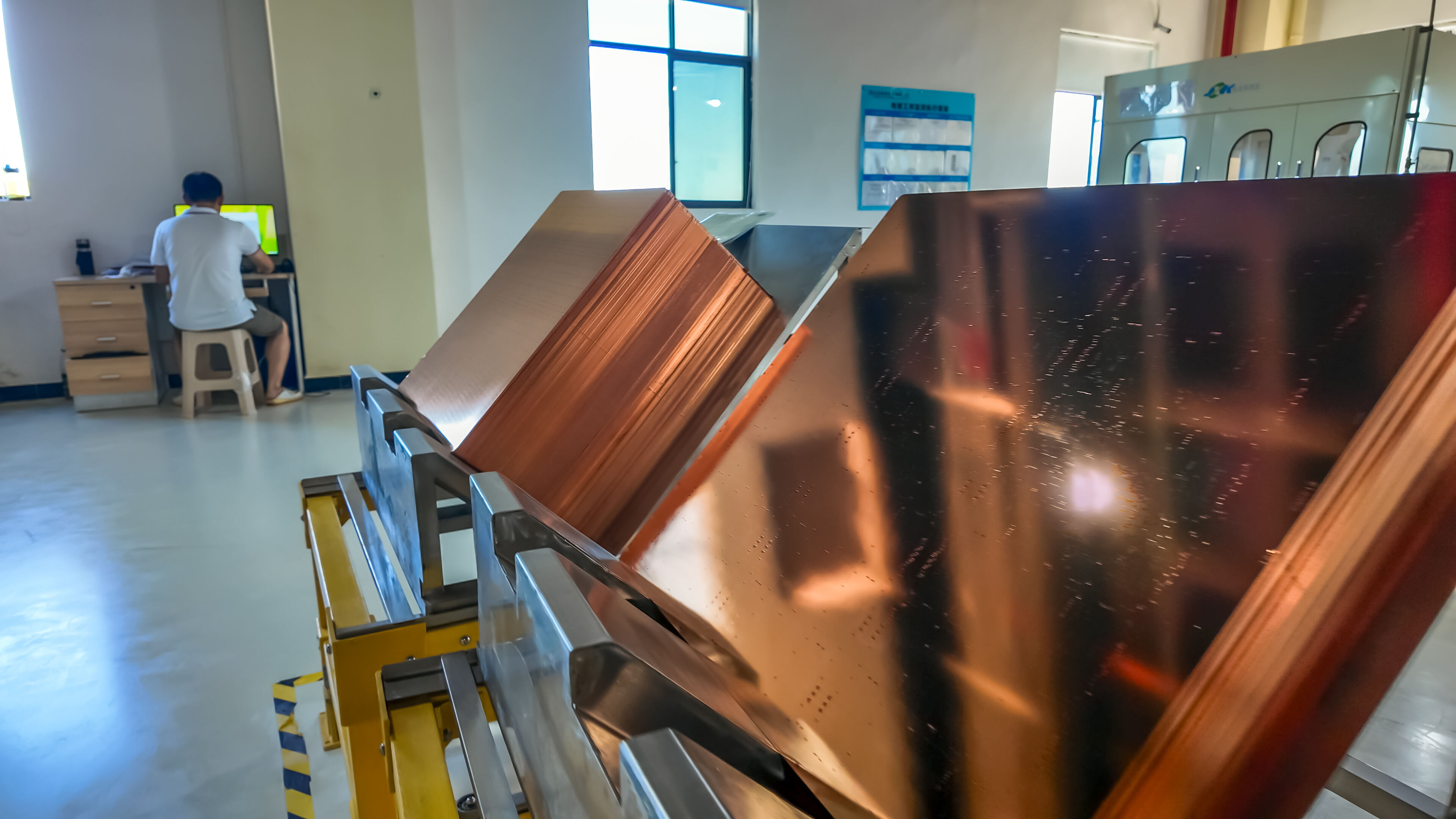
FR4 Material stands as the most widely utilized substrate in the printed circuit board industry, serving as the foundational component for countless electronic devices ranging from consumer electronics to industrial control systems. This composite material derives its name from its flame retardant classification, where 'FR' designates flame resistant properties and '4' indicates the specific grade within the classification system. Understanding FR4 Material begins with recognizing its role as a dielectric insulator that mechanically supports and electrically isolates conductive pathways in circuit boards. The material combines woven fiberglass cloth with an epoxy resin binder that undergoes heat and pressure treatment during manufacturing, creating a rigid laminate with exceptional dimensional stability and thermal performance characteristics that make it indispensable for modern electronics manufacturing.
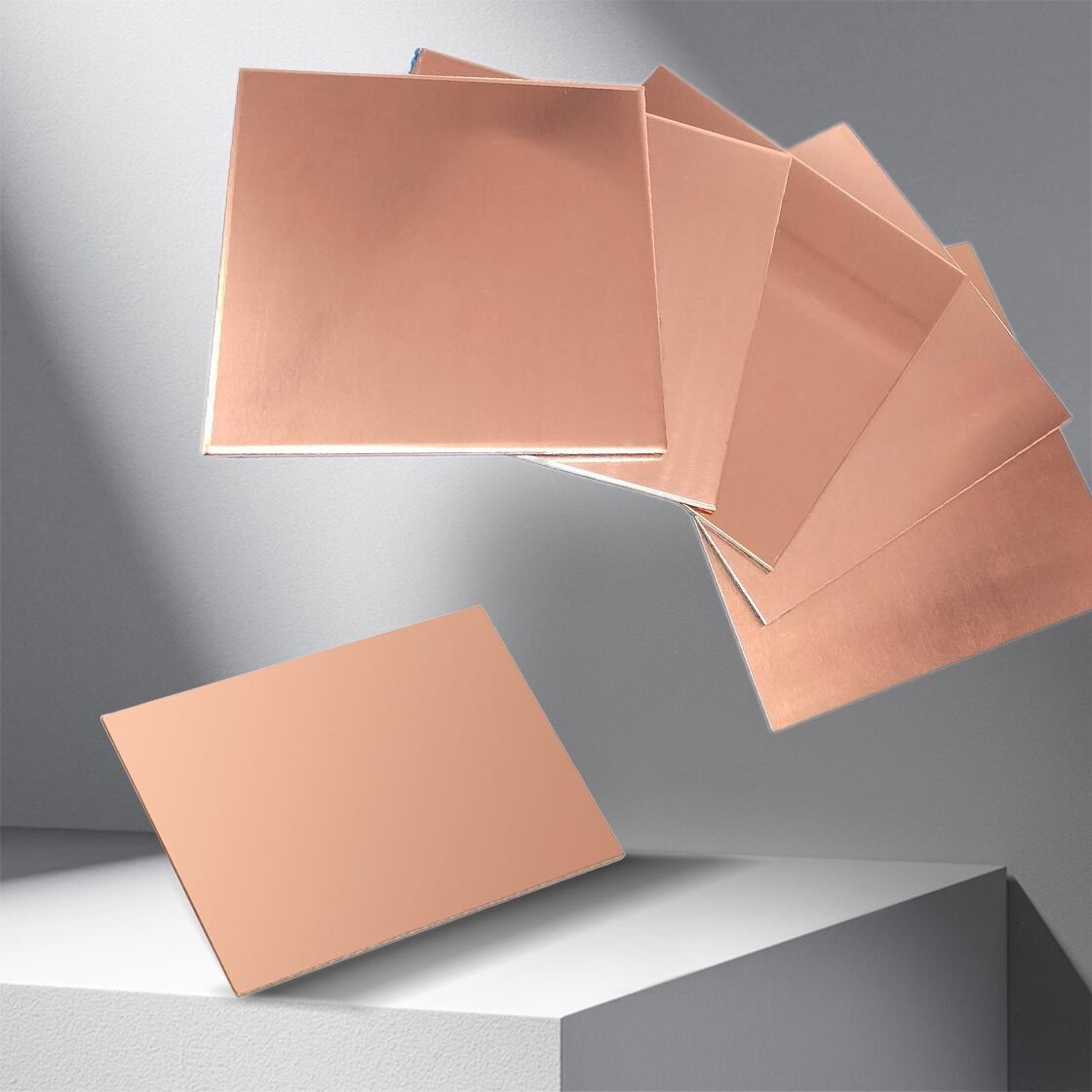
The significance of FR4 Material extends beyond simple substrate functionality, as it directly influences circuit performance, manufacturing feasibility, product reliability, and overall cost structures in electronics production. Engineers and procurement professionals must comprehend the material's composition, electrical properties, mechanical characteristics, and thermal behavior to make informed design decisions and supplier selections. This comprehensive examination explores the fundamental nature of FR4 Material, its constituent components, key performance specifications, manufacturing processes, application contexts, and the critical factors that differentiate quality grades within this essential category of circuit board substrates.
Composition and Structure of FR4 Material
Base Material Components
FR4 Material consists of two primary constituent elements that work synergistically to deliver its characteristic properties. The reinforcement component comprises woven fiberglass fabric, typically constructed from E-glass fibers that provide mechanical strength and dimensional stability. These glass fibers are woven in various patterns and weights, with the most common weave style being a plain weave configuration that offers balanced properties in both warp and weft directions. The glass content typically ranges from 40% to 70% by weight, directly influencing the material's stiffness, strength, and coefficient of thermal expansion. The fiberglass reinforcement creates a structural framework that prevents warping, maintains flatness during thermal cycling, and provides the mechanical integrity necessary for supporting electronic components and withstanding manufacturing processes.
The matrix component of FR4 Material consists of epoxy resin systems that bind the fiberglass reinforcement together while providing electrical insulation and flame retardant properties. These thermosetting epoxy resins undergo crosslinking during the curing process, creating a three-dimensional polymer network that becomes irreversibly hardened. The epoxy formulation includes brominated compounds or phosphorus-based additives that impart flame retardant characteristics, allowing the material to meet UL94 V-0 flammability ratings. The resin system also incorporates hardeners, accelerators, and other additives that control cure kinetics, optimize processing characteristics, and fine-tune final properties such as glass transition temperature, moisture absorption, and chemical resistance.
Layered Construction Architecture
FR4 Material achieves its final form through a lamination process that stacks multiple prepreg layers and copper foils under controlled temperature and pressure conditions. Prepreg refers to fiberglass cloth pre-impregnated with partially cured epoxy resin, maintaining a tacky consistency that allows multiple layers to bond together during the lamination cycle. The number of prepreg layers determines the final thickness of the FR4 Material substrate, with common thicknesses ranging from 0.2mm to 3.2mm for standard applications. Each prepreg layer contributes approximately 0.1mm to 0.2mm of thickness depending on the glass fabric weight and resin content, allowing manufacturers to build up custom thicknesses by varying the layer count.
The copper foil layers laminated to one or both sides of the FR4 Material core serve as the conductive medium for circuit traces and planes. Copper foil thickness is specified in ounces per square foot, with 1oz copper measuring approximately 35 micrometers thick and representing the most common weight for standard applications. The bond between copper and FR4 Material relies on mechanical interlocking and chemical adhesion mechanisms, with the copper foil surface treated to enhance adhesion strength. This layered construction creates a composite structure where the FR4 Material provides insulation and mechanical support while the copper layers enable electrical functionality, forming the fundamental architecture of printed circuit boards used throughout the electronics industry.
Electrical Properties and Performance Characteristics
Dielectric Constant and Signal Integrity
The dielectric constant of FR4 Material typically ranges from 4.2 to 4.8 at room temperature and 1MHz frequency, representing a critical parameter for signal transmission and impedance control in circuit design. This property measures the material's ability to store electrical energy in an electric field relative to vacuum, directly affecting signal propagation velocity and characteristic impedance of transmission lines. The dielectric constant exhibits frequency dependence, generally decreasing slightly as frequency increases into the microwave range, which designers must account for in high-frequency applications. Temperature variations also influence the dielectric constant, with typical temperature coefficients around 200 to 400 ppm per degree Celsius, necessitating careful consideration in applications experiencing wide temperature excursions.
FR4 Material demonstrates adequate electrical performance for digital applications operating below 1-2 GHz, where its dielectric properties enable controlled impedance design for signal integrity. The material's dissipation factor, typically ranging from 0.02 to 0.03 at 1MHz, quantifies energy loss in the dielectric when subjected to alternating electric fields. This loss tangent increases with frequency, potentially limiting FR4 Material suitability for applications above 5-10 GHz where lower-loss materials become preferable. The volume resistivity of FR4 Material exceeds 10^13 ohm-cm, providing excellent insulation between conductive layers and preventing leakage currents that could compromise circuit functionality. These electrical characteristics make FR4 Material the default choice for consumer electronics, computer motherboards, telecommunication equipment, and industrial control systems operating within its performance envelope.
Insulation Resistance and Breakdown Voltage
FR4 Material exhibits high insulation resistance that maintains electrical isolation between circuit traces, power planes, and ground layers throughout the operational lifetime of electronic assemblies. The surface resistivity typically exceeds 10^12 ohms, preventing current leakage across the board surface even in the presence of minor contamination or humidity. This property proves essential for maintaining signal integrity, preventing crosstalk between adjacent traces, and ensuring that power distribution networks maintain stable voltage levels without losses through unintended conduction paths. The insulation resistance remains stable across normal operating temperature ranges but may degrade under extreme conditions or prolonged exposure to elevated temperatures and humidity.
The dielectric breakdown strength of FR4 Material reaches 20-50 kV/mm depending on thickness and specific formulation, representing the maximum electric field the material can withstand before catastrophic insulation failure occurs. This property determines minimum spacing requirements between conductors at different voltage potentials and establishes safety margins for high-voltage applications. FR4 Material performs reliably in applications with voltage differentials up to several hundred volts when appropriate design spacing is maintained, making it suitable for power supplies, motor controllers, and other circuits combining logic-level signals with higher voltage power stages. The breakdown voltage capability, combined with flame retardant properties, contributes to the overall safety profile of electronic products using FR4 Material as their substrate foundation.
Mechanical and Thermal Properties
Mechanical Strength and Dimensional Stability
FR4 Material demonstrates robust mechanical properties that enable it to withstand the stresses encountered during manufacturing processes, component assembly operations, and operational service life. The flexural strength typically ranges from 380 to 480 MPa, measuring the material's resistance to bending forces before fracture occurs. This mechanical strength allows FR4 Material boards to support heavy components, withstand handling during assembly, and maintain structural integrity when subjected to vibration or mechanical shock in operating environments. The tensile strength reaches similar magnitudes, ensuring that the material resists pulling forces that might occur during connector insertion, component removal, or thermal expansion mismatches.
Dimensional stability represents a critical characteristic of FR4 Material, particularly for applications requiring precise registration between layers in multilayer circuit boards or accurate component placement for fine-pitch surface mount technology. The coefficient of thermal expansion in the XY plane typically measures 12-16 ppm per degree Celsius, closely matching the expansion rate of copper traces and minimizing thermal stresses during temperature cycling. The Z-axis expansion coefficient runs higher at 50-70 ppm per degree Celsius due to the anisotropic nature of the laminated structure, requiring careful design consideration for plated through-holes that must maintain reliable electrical connections despite this differential expansion. FR4 Material maintains dimensional stability across normal operating temperature ranges, with minimal creep or permanent deformation when properly supported and within rated thermal limits.
Glass Transition Temperature and Thermal Management
The glass transition temperature of FR4 Material, typically ranging from 130°C to 140°C for standard grades and reaching 170-180°C for high-Tg variants, marks a critical threshold where the polymer matrix transitions from a rigid glassy state to a softer rubbery state. Below the glass transition temperature, FR4 Material maintains its mechanical stiffness, dimensional stability, and electrical properties within specified ranges. Above this transition point, the material experiences increased coefficient of thermal expansion, reduced mechanical strength, and potential for dimensional changes that could compromise circuit reliability. The glass transition temperature effectively establishes the upper operational temperature limit for continuous service, with most applications maintaining board temperatures at least 20-30°C below this threshold to ensure adequate safety margins.
Thermal conductivity of FR4 Material measures approximately 0.3-0.4 W/mK, representing relatively poor heat transfer capability compared to metal substrates or specialized thermally-enhanced materials. This low thermal conductivity limits the ability of FR4 Material boards to dissipate heat generated by power components, necessitating additional thermal management strategies such as copper pours, thermal vias, heatsinks, or forced air cooling for applications with significant power dissipation. The thermal resistance through the board thickness can create temperature gradients between component mounting surfaces and ambient environment, requiring careful thermal analysis during design phases. Despite this limitation, FR4 Material proves adequate for many applications where power densities remain moderate and appropriate thermal design practices are implemented to maintain component junction temperatures within acceptable limits.
Manufacturing Process and Quality Variations
Lamination Process and Cure Profiles
The manufacturing of FR4 Material involves a carefully controlled lamination process where prepreg layers and copper foils are stacked in a press and subjected to elevated temperature and pressure cycles that cure the epoxy resin while bonding the layers together. The lamination press applies pressures ranging from 200 to 400 psi while heating the stack to temperatures between 170°C and 190°C, driving the epoxy crosslinking reaction to completion. The cure profile follows specific time-temperature trajectories that ensure complete resin cure without overheating, which could degrade material properties or cause warpage. The lamination cycle typically lasts 60 to 120 minutes depending on stack thickness and specific resin formulation, with cooling performed under maintained pressure to minimize residual stresses and ensure flatness.
FR4 Material quality depends heavily on precise control of lamination parameters, raw material specifications, and manufacturing environment conditions. Variations in resin content, cure temperature, pressure distribution, or cooling rate can produce material with inconsistent properties, affecting electrical performance, mechanical strength, and dimensional stability. Premium grade FR4 Material manufacturers implement stringent process controls, use raw materials from qualified suppliers, and perform extensive testing to verify compliance with international standards such as IPC-4101. Lower-cost FR4 Material may exhibit wider property variations, reduced glass transition temperatures, higher moisture absorption, or inconsistent copper peel strength, potentially compromising reliability in demanding applications.
Grade Classifications and Standard Compliance
FR4 Material exists in multiple grade classifications that address different application requirements, thermal performance needs, and cost constraints. Standard grade FR4 Material with Tg around 130-140°C serves general-purpose electronics where operating temperatures remain moderate and cost sensitivity drives material selection. Mid-Tg grades reaching 150-160°C provide enhanced thermal performance for applications with higher power dissipation or operating temperatures. High-Tg FR4 Material achieving 170-180°C glass transition temperatures accommodates lead-free soldering processes, automotive under-hood environments, and industrial applications experiencing elevated operating temperatures. Specialized variants include halogen-free FR4 Material formulations that replace brominated flame retardants with alternative systems to address environmental concerns and regulatory requirements.
Industry standards govern FR4 Material specifications, with IPC-4101 representing the primary standard for base materials used in rigid printed boards. This standard defines material designations using a slash sheet numbering system that specifies glass transition temperature, decomposition temperature, copper peel strength, and other critical parameters. FR4 Material typically corresponds to IPC-4101/21 for standard grade or IPC-4101/126 for high-Tg variants, though numerous slash sheet designations exist for specialized requirements. Compliance with these standards ensures material consistency, enables reliable sourcing from multiple suppliers, and provides documented performance characteristics that designers can reference during development. UL recognition under UL94 flammability testing confirms flame retardant performance, with FR4 Material typically achieving V-0 ratings that certify self-extinguishing behavior within specified test parameters.
Application Contexts and Selection Considerations
Industry Applications and Use Cases
FR4 Material dominates the printed circuit board industry across diverse application sectors, serving as the substrate material for consumer electronics including smartphones, tablets, computers, televisions, and home appliances. The material's balance of electrical performance, mechanical strength, thermal capability, and cost-effectiveness makes it the default choice for digital circuits operating at moderate frequencies where signal integrity requirements align with FR4 Material properties. Telecommunication equipment, networking infrastructure, and data center hardware extensively utilize FR4 Material for both main logic boards and peripheral circuits, leveraging its proven reliability and manufacturing ecosystem maturity. Industrial control systems, building automation, HVAC controls, and instrumentation applications rely on FR4 Material for its robust mechanical properties and ability to withstand moderate environmental stresses.
Automotive electronics increasingly employ FR4 Material in applications ranging from infotainment systems and instrument clusters to body control modules and sensor interfaces. High-Tg FR4 Material variants prove particularly suitable for automotive applications where under-hood placement or direct mounting to heat-generating components creates elevated operating temperatures. Medical devices, laboratory equipment, and diagnostic instruments utilize FR4 Material where its electrical insulation properties, dimensional stability, and compatibility with sterilization processes meet application requirements. The widespread availability of FR4 Material, extensive fabricator experience with processing techniques, and well-established supply chains contribute to its continued dominance across these diverse application contexts despite the emergence of alternative substrate materials for specialized high-frequency or extreme-environment applications.
Material Selection Criteria and Design Tradeoffs
Selecting FR4 Material for a specific application requires evaluating multiple factors including operating frequency, thermal environment, mechanical stress exposure, environmental conditions, reliability requirements, and cost constraints. For applications operating below 1-2 GHz with moderate temperature environments, standard grade FR4 Material typically provides adequate performance at optimal cost. Higher frequency applications approaching 5-10 GHz may require careful impedance control, shorter trace lengths, and consideration of FR4 Material dielectric losses that increase with frequency. Thermal environments exceeding 100°C continuous operation necessitate high-Tg FR4 Material variants to maintain dimensional stability and mechanical properties above standard grade transition temperatures.
Design tradeoffs involve balancing FR4 Material selection against alternative substrates including polyimide, Rogers materials, metal-core boards, or ceramic substrates that offer superior performance in specific parameter domains. FR4 Material cannot match the low dielectric loss of specialized microwave laminates, the thermal conductivity of metal-core substrates, or the extreme temperature capability of polyimide or ceramic materials. However, FR4 Material delivers a compelling combination of adequate electrical performance, acceptable thermal capability, proven reliability, and cost-effectiveness that makes it the practical choice for the vast majority of electronic applications. Engineers must assess whether application-specific requirements truly demand premium materials or whether FR4 Material provides sufficient performance margins within realistic operating conditions, recognizing that material cost impacts overall product economics and market competitiveness.
FAQ
What does FR4 stand for in FR4 Material?
FR4 stands for Flame Retardant grade 4, designating a specific classification within the NEMA grading system for thermoset industrial laminates. The 'FR' prefix indicates that the material contains flame retardant additives, typically brominated compounds or phosphorus-based systems, that cause the material to self-extinguish when exposed to flame rather than supporting continued combustion. The number '4' represents a specific grade designation that includes both the flame retardant properties and the use of woven fiberglass reinforcement with epoxy resin as the binder system. This classification distinguishes FR4 Material from other grades such as FR2, which uses paper reinforcement instead of fiberglass, or G-10, which has similar composition to FR4 but lacks flame retardant additives.
Can FR4 Material be used for high-frequency RF applications?
FR4 Material can be used for RF applications operating below approximately 2-3 GHz, though performance limitations become increasingly significant as frequency rises toward 5-10 GHz and above. The primary limitation stems from the material's dissipation factor, which increases with frequency, causing signal attenuation that becomes problematic in high-frequency circuits. The dielectric constant of FR4 Material also exhibits some frequency dependence and batch-to-batch variation, making precise impedance control challenging for demanding RF designs. For applications below 1-2 GHz such as WiFi, Bluetooth, GPS, or cellular base stations operating at moderate frequencies, FR4 Material provides acceptable performance when proper design practices are followed including controlled impedance routing, appropriate trace geometry, and ground plane management. Higher frequency applications above 5-10 GHz typically require specialized low-loss RF laminates with stable dielectric properties and lower dissipation factors.
How does moisture affect FR4 Material performance?
Moisture absorption adversely affects multiple performance characteristics of FR4 Material, with the material typically absorbing 0.1% to 0.15% moisture by weight when exposed to humid environments over extended periods. Absorbed moisture increases the dielectric constant, raising it from the nominal 4.4-4.5 range to potentially 4.8-5.0 under saturated conditions, which shifts the characteristic impedance of transmission lines and may degrade signal integrity in impedance-controlled designs. Moisture absorption also reduces insulation resistance, potentially creating leakage paths that compromise circuit functionality in high-impedance circuits or precision analog applications. The glass transition temperature decreases when moisture is present in the polymer matrix, effectively reducing the thermal performance capability of the material. Manufacturing processes including baking prior to soldering help remove absorbed moisture, and conformal coating or encapsulation can minimize moisture ingress during operational service life in humid environments.
What is the typical lifespan of FR4 Material in electronic products?
FR4 Material demonstrates excellent long-term stability and can maintain functional properties for decades when operated within specified temperature, humidity, and electrical stress limits. The epoxy resin system in FR4 Material exhibits minimal degradation under normal operating conditions, with the crosslinked polymer network remaining chemically stable throughout typical product lifecycles of 10-20 years or more. Thermal aging represents the primary degradation mechanism, with prolonged exposure to elevated temperatures gradually causing embrittlement and potential reduction in mechanical properties, though this occurs very slowly at temperatures well below the glass transition point. Electrical stress, mechanical flexing, thermal cycling, and chemical exposure can potentially accelerate aging, but properly designed products operating within rated conditions experience minimal FR4 Material degradation. Consumer electronics typically become obsolete due to technological advancement rather than FR4 Material substrate failure, while industrial and automotive applications routinely achieve 15-25 year service lives with FR4 Material based circuit boards maintaining adequate functionality throughout the operational period.