
 EN
EN
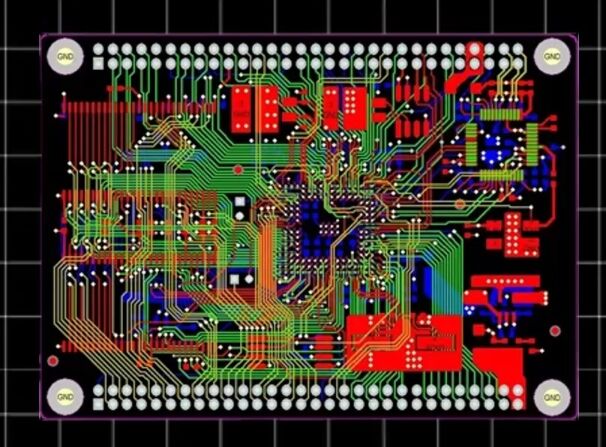
The selection of appropriate pcb materials represents one of the most critical decisions in modern electronic circuit design and manufacturing. Rogers Corporation has established itself as a leading provider of high-performance pcb materials that deliver exceptional electrical properties and reliability across diverse applications. These advanced substrate materials offer superior dielectric characteristics, thermal management capabilities, and mechanical stability that traditional FR-4 materials often cannot match. Understanding the specific advantages of Rogers pcb materials enables engineers to make informed decisions that optimize circuit performance while meeting stringent design requirements.
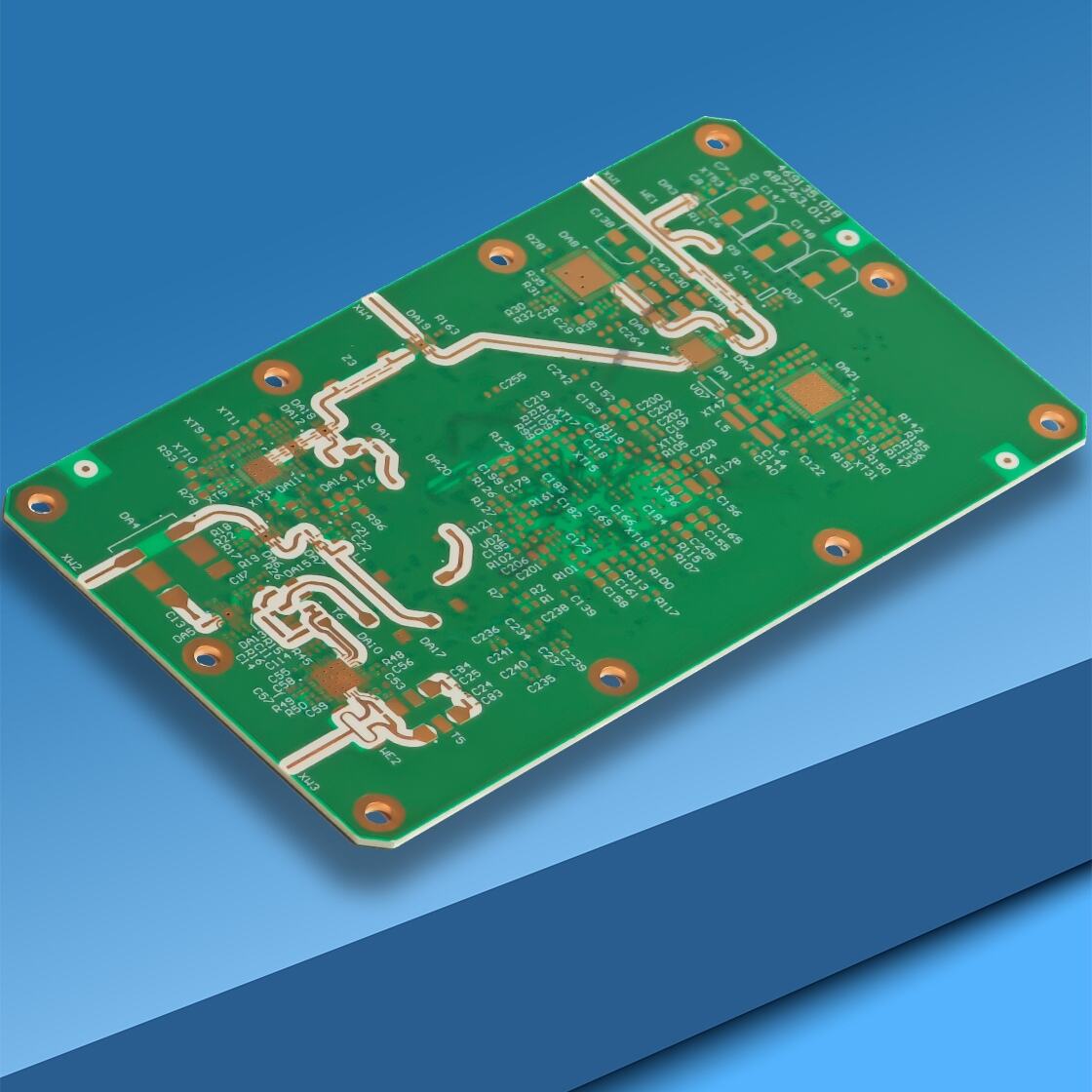
The evolution of electronic systems toward higher frequencies, increased power densities, and miniaturized form factors has created unprecedented demands on circuit board substrates. Conventional pcb materials may introduce signal integrity issues, thermal challenges, and dimensional stability problems that compromise overall system performance. Rogers pcb materials address these limitations through carefully engineered polymer compositions, reinforcement structures, and surface treatments that maintain consistent properties across wide operating ranges.
Superior Electrical Performance Characteristics
Low Dielectric Constant and Loss Tangent Properties
Rogers pcb materials demonstrate exceptionally low dielectric constants and loss tangents compared to standard substrate options. The dielectric constant typically ranges from 2.2 to 10.2 depending on the specific material formulation, providing designers with precise control over impedance characteristics and signal propagation velocities. This property consistency enables accurate transmission line design and minimizes signal distortion in high-frequency applications.
The low loss tangent values, often below 0.002 at microwave frequencies, significantly reduce signal attenuation and power dissipation. This characteristic proves particularly valuable in RF and microwave circuits where maintaining signal strength across long transmission paths is essential. Engineers working with satellite communications, radar systems, and wireless infrastructure benefit from these enhanced electrical properties that Rogers pcb materials provide.
Frequency Stability and Repeatability
Temperature and frequency stability represent crucial performance parameters for high-frequency electronic systems. Rogers pcb materials exhibit minimal variation in dielectric properties across broad temperature and frequency ranges. This stability ensures consistent circuit behavior regardless of environmental conditions or operating frequencies, reducing the need for complex compensation circuits.
Manufacturing repeatability of Rogers pcb materials allows for consistent production yields and predictable circuit performance across multiple production runs. The tight tolerance control on material properties enables designers to achieve reliable impedance matching and minimize unit-to-unit variations. This consistency proves especially important for high-volume production environments where performance uniformity is critical for product reliability.
Enhanced Thermal Management Capabilities
Superior Thermal Conductivity Properties
Effective heat dissipation becomes increasingly important as electronic systems operate at higher power densities and frequencies. Rogers pcb materials offer enhanced thermal conductivity compared to standard FR-4 substrates, facilitating efficient heat transfer away from critical components. The improved thermal performance helps maintain junction temperatures within acceptable limits, extending component lifespan and improving overall system reliability.
The thermal conductivity values of Rogers pcb materials range from 0.6 to 1.44 W/m·K depending on the specific formulation, representing significant improvements over conventional substrate materials. This enhanced heat dissipation capability enables designers to implement more compact layouts without compromising thermal performance. Power amplifiers, LED drivers, and high-speed digital circuits particularly benefit from these thermal management advantages.
Coefficient of Thermal Expansion Control
Dimensional stability across temperature variations is essential for maintaining reliable solder joint integrity and preventing mechanical stress in assembled circuits. Rogers pcb materials feature carefully controlled coefficients of thermal expansion that closely match those of copper conductors and component packages. This thermal expansion matching minimizes stress-induced failures and improves long-term reliability.
The low and controlled thermal expansion characteristics of Rogers pcb materials prove particularly valuable in applications subject to significant temperature cycling. Automotive electronics, aerospace systems, and industrial control equipment experience enhanced reliability when manufactured using these dimensionally stable substrate materials. The reduced mechanical stress extends solder joint fatigue life and improves overall product durability.
Chemical Resistance and Environmental Durability
Moisture Absorption Resistance
Moisture absorption can significantly degrade the electrical and mechanical properties of pcb materials, leading to delamination, increased loss tangent, and reduced insulation resistance. Rogers pcb materials demonstrate exceptionally low moisture absorption rates, typically below 0.1% by weight, maintaining stable performance in humid environments. This moisture resistance proves critical for outdoor applications and systems operating in challenging environmental conditions.
The hydrophobic nature of Rogers pcb materials helps prevent water-induced degradation mechanisms that commonly affect conventional substrates. This resistance to moisture ingress maintains consistent dielectric properties and prevents the formation of conductive paths that could cause circuit failures. Applications in marine environments, industrial processing facilities, and outdoor telecommunications equipment benefit significantly from this enhanced moisture resistance.
Chemical Compatibility and Contamination Resistance
Rogers pcb materials exhibit excellent chemical resistance to common processing chemicals, cleaning solvents, and environmental contaminants. This chemical stability ensures that material properties remain consistent throughout manufacturing processes and during long-term service life. The resistance to chemical degradation proves particularly important in harsh industrial environments where exposure to aggressive chemicals is common.
The contamination resistance of Rogers pcb materials helps maintain surface cleanliness and prevents the accumulation of conductive deposits that could cause electrical failures. This property proves especially valuable in high-voltage applications and precision measurement equipment where surface contamination can significantly impact performance. The stable surface characteristics reduce maintenance requirements and improve long-term reliability.
Manufacturing Process Advantages
Improved Drilling and Machining Characteristics
The mechanical properties of Rogers pcb materials facilitate enhanced processing capabilities during manufacturing operations. These substrates typically exhibit reduced drill wear, cleaner hole walls, and improved dimensional accuracy during drilling operations. The consistent mechanical properties enable higher drilling speeds and longer tool life, resulting in improved manufacturing efficiency and reduced production costs.
Routing and milling operations on Rogers pcb materials produce clean edges with minimal delamination or fiber protrusion. This improved machinability enables precise feature definition and reduces the need for secondary finishing operations. The consistent mechanical properties ensure repeatable processing results and help maintain tight dimensional tolerances throughout the manufacturing process.
Enhanced Plating Adhesion and Surface Preparation
Rogers pcb materials provide excellent copper adhesion characteristics that ensure reliable conductor attachment throughout the product lifecycle. The specialized surface treatments and polymer formulations promote strong metallization adhesion while maintaining consistent electrical properties. This enhanced adhesion reduces the risk of conductor lifting during assembly processes and improves overall circuit reliability.
Surface preparation processes for Rogers pcb materials typically require less aggressive treatments compared to conventional substrates while achieving superior plating results. The optimized surface chemistry promotes uniform plating coverage and reduces the occurrence of plating defects. This improved plating compatibility contributes to higher manufacturing yields and more consistent electrical performance.
Application-Specific Performance Benefits
High-Frequency and Microwave Applications
Rogers pcb materials excel in high-frequency applications where signal integrity and low loss characteristics are paramount. The stable dielectric properties across wide frequency ranges enable accurate circuit modeling and predictable performance in microwave and millimeter-wave applications. These materials support the demanding requirements of 5G telecommunications, satellite communications, and radar systems.
The low loss tangent values of Rogers pcb materials minimize signal attenuation in high-frequency circuits, enabling longer transmission paths and improved system sensitivity. This characteristic proves particularly valuable in antenna feed networks, filter circuits, and power amplifier applications where maintaining signal strength is critical for optimal performance. The frequency stability ensures consistent operation across the intended bandwidth.
Power Electronics and High-Current Applications
Power electronic circuits benefit from the enhanced thermal management capabilities and current-carrying capacity of Rogers pcb materials. The improved thermal conductivity helps dissipate heat generated by high-current conductors and power components, enabling more compact designs and improved efficiency. These materials support the demanding requirements of motor drives, power converters, and renewable energy systems.
The dimensional stability of Rogers pcb materials under thermal cycling conditions proves essential for power electronic applications that experience significant temperature variations during operation. This stability maintains reliable electrical connections and prevents mechanical failures that could compromise system performance. The enhanced durability extends service life and reduces maintenance requirements in demanding applications.
Cost-Effectiveness and Design Optimization
Reduced Design Complexity and Component Count
The superior electrical properties of Rogers pcb materials often enable simplified circuit designs that require fewer components and less complex compensation networks. The stable and predictable characteristics reduce the need for tuning components and matching networks, resulting in more cost-effective solutions. This design simplification can offset the higher material costs through reduced assembly complexity and improved yields.
Rogers pcb materials enable smaller form factors through improved electrical performance that allows for more compact layouts. The enhanced signal integrity characteristics support higher trace densities and reduced layer counts in multi-layer designs. This miniaturization capability provides significant value in space-constrained applications where size and weight are critical design parameters.
Improved Manufacturing Yields and Reliability
The consistent properties and processing characteristics of Rogers pcb materials contribute to improved manufacturing yields and reduced production costs. The predictable electrical and mechanical properties minimize design iterations and prototype cycles, accelerating time-to-market for new products. The enhanced reliability reduces warranty costs and field failures, providing long-term value to manufacturers and end users.
Quality control processes benefit from the tight tolerance specifications and repeatability of Rogers pcb materials. The consistent material properties enable more effective statistical process control and reduce the need for individual unit testing. This manufacturing efficiency contributes to overall cost-effectiveness despite the premium material costs.
FAQ
How do Rogers pcb materials compare to standard FR-4 in terms of electrical performance
Rogers pcb materials offer significantly superior electrical performance compared to standard FR-4 substrates, particularly in high-frequency applications. The dielectric constant and loss tangent values of Rogers materials remain stable across wide frequency and temperature ranges, while FR-4 exhibits increasing losses at higher frequencies. Rogers materials typically demonstrate dielectric constants ranging from 2.2 to 10.2 with loss tangents below 0.002, compared to FR-4's dielectric constant of approximately 4.4 and higher loss tangent values that increase with frequency.
What are the primary applications where Rogers pcb materials provide the most benefit
Rogers pcb materials excel in high-frequency RF and microwave applications, including 5G telecommunications, satellite communications, radar systems, and automotive radar sensors. They also provide significant advantages in power electronics applications requiring enhanced thermal management, such as LED lighting, motor drives, and power converters. Additionally, precision measurement equipment, medical devices, and aerospace electronics benefit from the stable electrical properties and environmental durability of Rogers materials.
Are Rogers pcb materials compatible with standard PCB manufacturing processes
Yes, Rogers pcb materials are generally compatible with standard PCB manufacturing processes, though they may require some process adjustments to optimize results. These materials can be processed using conventional drilling, plating, etching, and assembly techniques. However, manufacturers may need to adjust drilling parameters, surface preparation methods, and handling procedures to achieve optimal results. The enhanced mechanical properties often result in improved drilling characteristics and cleaner processing compared to standard materials.
What factors should be considered when selecting Rogers pcb materials for a specific application
Key selection factors include the operating frequency range, power levels, temperature requirements, and environmental conditions of the target application. The required dielectric constant and loss tangent specifications should align with the circuit design requirements. Thermal management needs, mechanical strength requirements, and cost considerations also influence material selection. Additionally, the availability of specific thicknesses, copper weights, and surface finishes should be verified to ensure compatibility with the intended design and manufacturing processes.
Table of Contents
- Superior Electrical Performance Characteristics
- Enhanced Thermal Management Capabilities
- Chemical Resistance and Environmental Durability
- Manufacturing Process Advantages
- Application-Specific Performance Benefits
- Cost-Effectiveness and Design Optimization
-
FAQ
- How do Rogers pcb materials compare to standard FR-4 in terms of electrical performance
- What are the primary applications where Rogers pcb materials provide the most benefit
- Are Rogers pcb materials compatible with standard PCB manufacturing processes
- What factors should be considered when selecting Rogers pcb materials for a specific application