
 EN
EN
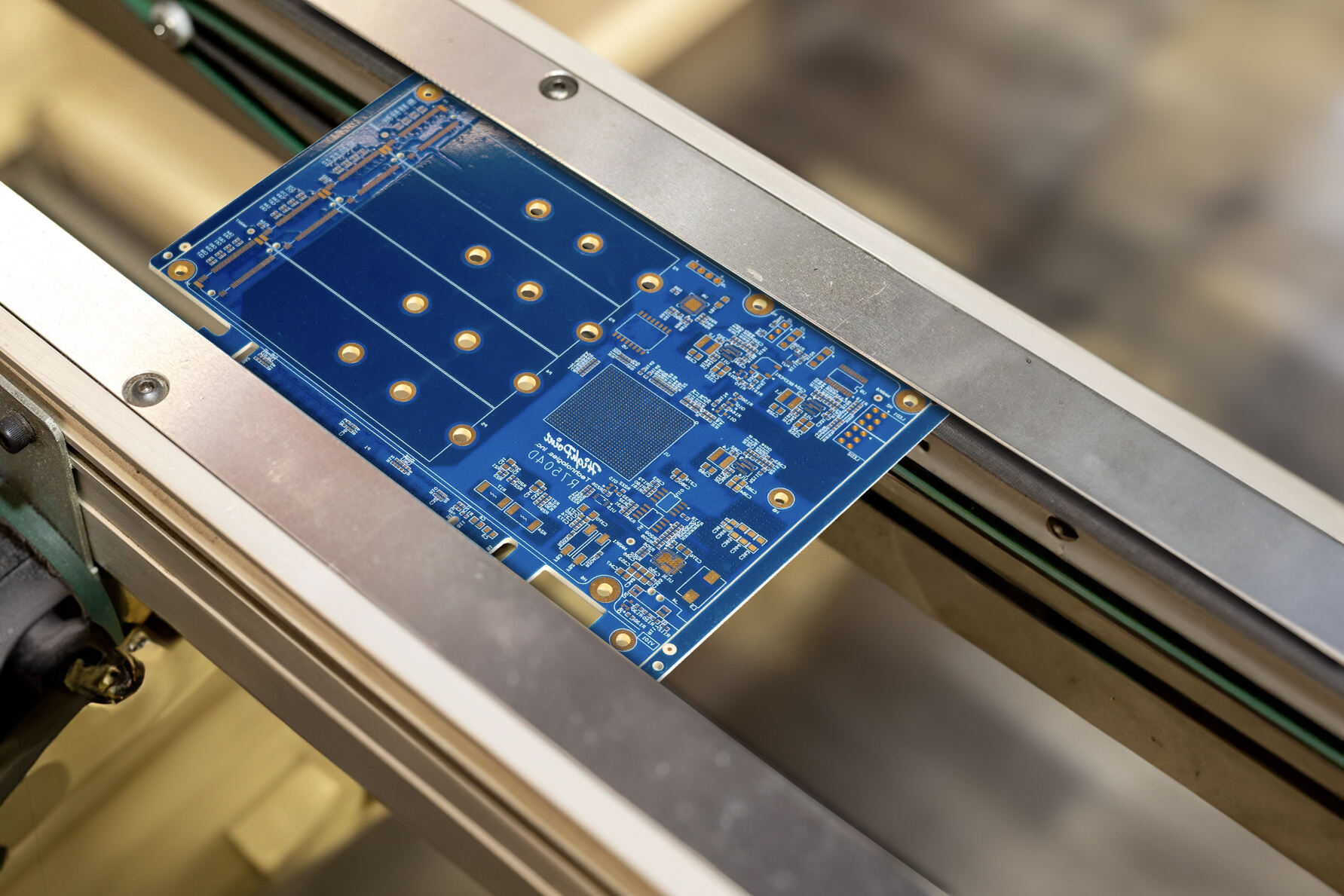
When engineers and procurement teams discuss electronics manufacturing, two terms appear constantly: PCB and PCBA. At first glance, the difference may seem minor, but confusing the two can lead to costly misunderstandings during sourcing, production, and quality inspection. Understanding exactly what separates a PCB from a PCBA is essential for anyone involved in electronics development, manufacturing, or supply chain management.

A PCB is the bare physical board before any components are added. A PCBA, which stands for Printed Circuit Board Assembly, is the same board after electronic components have been soldered onto it. This distinction affects how you quote, inspect, test, and handle these items at every stage of a product lifecycle. This article explains each term clearly, explores how the PCB becomes a PCBA, and helps you determine which one matters most for your specific application.
What a PCB Actually Is
The Structure of a Bare PCB
A PCB is a flat board made from non-conductive substrate material, typically FR4 fiberglass, with conductive copper traces etched or printed onto its surface. These copper pathways are designed to connect various points on the board electrically, forming the circuits that will eventually carry signals and power. A PCB on its own contains no active or passive components such as resistors, capacitors, or integrated circuits. It is simply the foundation upon which a functioning electronic assembly will be built.
The PCB is manufactured through a series of controlled processes including lamination, etching, drilling, plating, and surface finishing. The PCB may have one layer or multiple layers depending on the complexity of the design. A single-layer PCB is straightforward, while a multi-layer PCB supports far more complex routing and is common in high-density electronic devices. The PCB at this stage is often called a 'bare board' or 'blank board' in manufacturing contexts.
Why the PCB Alone Is Not Functional
A PCB without components cannot perform any electronic function. It serves as the structural and electrical backbone of a circuit, but it requires components to be placed and soldered to it before it can process signals, switch power, or execute logic. The PCB is inspected at the bare board stage for defects such as open circuits, short circuits, incorrect trace width, delamination, and surface finish quality. These checks happen before assembly begins, which makes the PCB a distinct product category from the final assembled board.
What a PCBA Is and How It Differs
The Assembly Process That Creates a PCBA
A PCBA is produced when electronic components are mounted and soldered onto a PCB. The assembly process typically involves solder paste printing, component placement using automated pick-and-place machines, and reflow soldering or wave soldering depending on the component types being used. Once components are affixed and the PCB passes post-assembly inspection, the board becomes a PCBA. At this point, the PCB is no longer bare — it is a fully assembled circuit board ready for integration or functional testing.
The PCBA stage introduces a new set of quality concerns compared to the bare PCB. Solder joint quality, component alignment, polarity correctness, and missing parts are all checked during PCBA inspection. Automated optical inspection, X-ray inspection, and in-circuit testing are commonly applied at this stage. A defective PCBA often requires rework or scrapping, which is far more expensive than catching defects at the PCB level. This is why separating the PCB stage from the PCBA stage in your quality workflow is strategically important.
Functional and Commercial Differences Between PCB and PCBA
From a commercial perspective, a PCB and a PCBA are quoted and purchased differently. When you order a PCB, you are ordering a bare board fabricated to your Gerber files and specifications. When you order a PCBA, you are also paying for components, solder materials, assembly labor, programming if required, and testing. The PCB is one input into the PCBA process, not the final deliverable. Misidentifying what you need when placing an order can delay your project and inflate costs significantly.
The PCB also differs from the PCBA in how it is shipped and stored. A bare PCB is relatively robust and can be stored for moderate periods if kept away from moisture. A PCBA is more sensitive because populated components, particularly surface-mount devices with exposed leads and fine-pitch pads, are vulnerable to ESD damage, humidity, and physical stress. Proper anti-static packaging and humidity control are mandatory when handling a PCBA throughout the supply chain.
Choosing Between PCB and PCBA Based on Your Project Stage
When You Need Only a PCB
If you are in the early prototyping stage and plan to source and assemble components yourself, ordering only a PCB makes sense. Hardware engineers frequently order bare PCB panels for hand-soldering during development. Small design teams testing a new layout may iterate through multiple PCB versions before finalizing the design for full PCBA production. In this workflow, controlling the PCB fabrication separately gives you maximum flexibility to revise the design quickly without committing to full assembly costs.
PCB-only procurement also applies when you have in-house assembly capacity or existing component inventory. Contract manufacturers who already stock specific components may choose to purchase only the PCB from a board fabricator and handle the rest internally. In this case, the PCB is treated as a purchased input material, and the PCBA is produced within the manufacturer's own facility.
When You Need a Fully Assembled PCBA
For volume production or turnkey project delivery, ordering a complete PCBA from a single supplier is the more efficient approach. A turnkey PCBA service covers everything from PCB fabrication through component procurement, assembly, testing, and sometimes final packaging. This reduces your supplier count, simplifies logistics, and puts accountability for the full PCB-to-PCBA process in one place. Many B2B buyers in consumer electronics, industrial controls, and medical devices rely on turnkey PCBA supply chains for exactly these reasons.
Understanding whether your project requires a PCB or a PCBA also shapes how you write your technical specifications, request for quotes, and acceptance criteria. A clear specification document that distinguishes the PCB layer count, materials, and surface finish from the PCBA component placement, soldering method, and test requirements will prevent miscommunication and protect both parties during production.
FAQ
Can a PCB be used directly in an electronic product?
No, a bare PCB cannot perform any function on its own. It must go through the assembly process to become a PCBA before it can be integrated into an electronic product. The PCB only provides the physical and electrical structure that supports components.
Is PCBA always more expensive than PCB?
Yes, a PCBA is always more costly than a bare PCB because it includes the PCB itself plus the cost of components, solder materials, assembly labor, and testing. The PCB is simply one part of the total PCBA cost. The price difference between a PCB and a PCBA can be significant depending on component count and complexity.
What information do I need to provide when ordering a PCBA versus a PCB?
For a PCB order, you typically need Gerber files, a drill file, board dimensions, layer count, material specification, and surface finish requirements. For a PCBA order, you additionally need a bill of materials listing all components, a pick-and-place file for automated assembly, and any test or programming requirements. Providing complete documentation ensures your PCB and PCBA are produced accurately and on schedule.