
 EN
EN
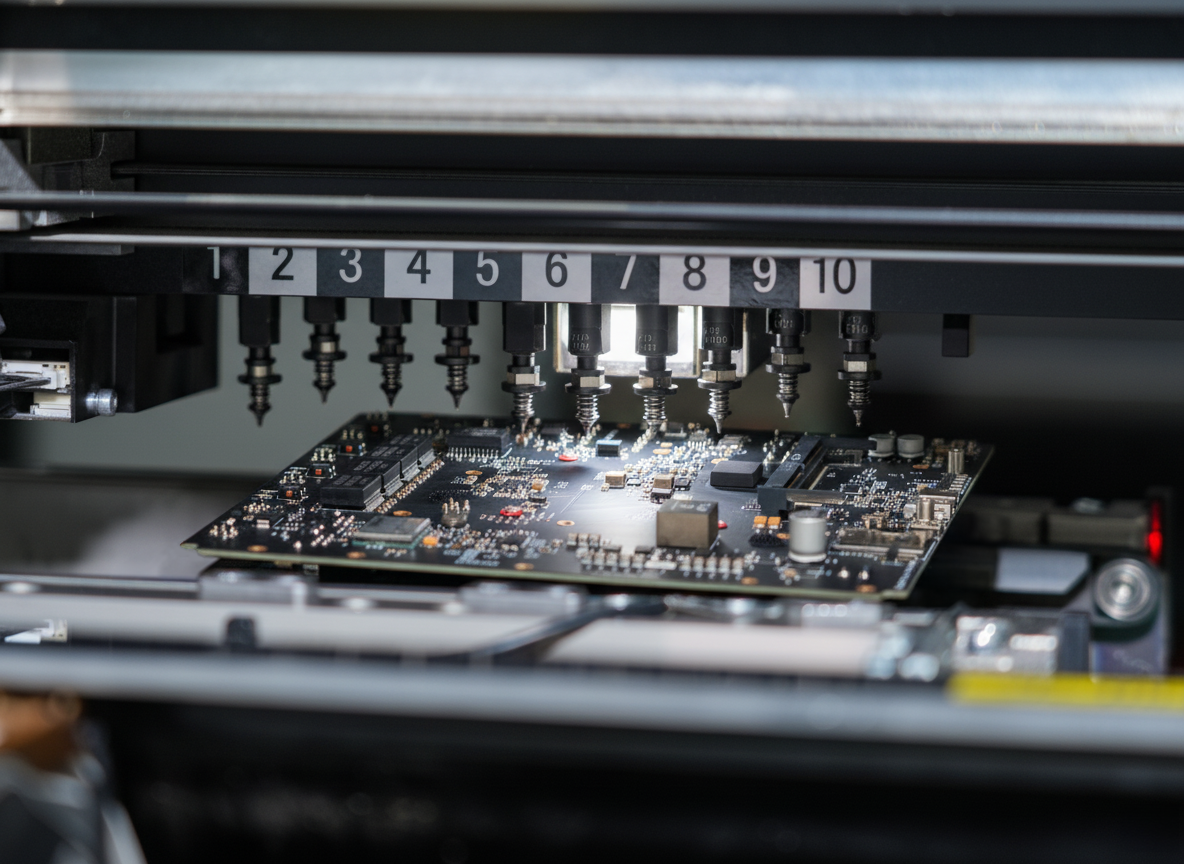
Modern electronic devices depend heavily on the reliability and performance of their internal components, with PCB printed circuit boards serving as the foundational infrastructure that connects and supports all electronic elements. These sophisticated boards have revolutionized the electronics industry by providing a stable, compact, and highly reliable platform for mounting and interconnecting electronic components. Understanding how PCB printed circuit technology enhances device reliability is crucial for engineers, manufacturers, and anyone involved in electronic product development.

The evolution from point-to-point wiring to printed circuit board technology represents one of the most significant advances in electronics manufacturing. Early electronic devices relied on manual wiring connections that were prone to failure, difficult to reproduce, and time-consuming to manufacture. The introduction of PCB printed circuit technology eliminated many of these challenges by providing a standardized, repeatable method for creating electrical connections between components.
Today's electronic devices, from smartphones to industrial control systems, benefit from the enhanced reliability that modern printed circuit boards provide. These boards offer superior electrical performance, mechanical stability, and manufacturing consistency compared to alternative connection methods. The reliability improvements stem from multiple factors including advanced materials, precise manufacturing processes, and sophisticated design methodologies that minimize potential failure points.
Enhanced Electrical Performance and Signal Integrity
Superior Conductor Path Design
PCB printed circuit boards excel in maintaining consistent electrical pathways through carefully engineered trace designs that minimize resistance, inductance, and capacitance variations. The copper traces etched onto the board substrate follow precise geometric patterns calculated to optimize signal transmission while reducing electrical noise and interference. This controlled approach to conductor layout ensures that electrical signals maintain their integrity throughout the circuit, preventing the signal degradation that commonly occurs in wire-based connections.
The trace width, spacing, and layer configuration on a printed circuit board are meticulously planned to match the impedance requirements of different signals. High-speed digital signals require controlled impedance paths to prevent reflections and timing issues, while analog circuits benefit from carefully routed ground planes and power distribution networks. These design considerations significantly reduce the likelihood of electrical failures caused by signal integrity problems.
Modern multi-layer PCB printed circuit designs incorporate dedicated ground and power planes that provide stable reference voltages and reduce electromagnetic interference between different circuit sections. This layered approach creates a more robust electrical environment that enhances overall system reliability by minimizing crosstalk and maintaining clean power delivery to sensitive components.
Improved Grounding and Power Distribution
Effective grounding strategies implemented in printed circuit board designs play a crucial role in system reliability by providing stable reference points for all electrical signals. Unlike point-to-point wiring systems where ground connections may vary in resistance and impedance, PCB designs incorporate continuous ground planes that offer consistent, low-impedance return paths for electrical currents. This uniform grounding approach reduces ground loops, minimizes noise coupling, and improves the overall electrical performance of the circuit.
Power distribution networks on modern PCB printed circuit boards utilize sophisticated copper pour techniques and multiple voltage planes to ensure clean, stable power delivery to all components. These networks include strategic placement of decoupling capacitors, voltage regulation circuits, and filtering components that work together to maintain power quality even under varying load conditions. The result is improved component performance and extended operational life due to reduced electrical stress.
The thermal management capabilities inherent in printed circuit board designs further contribute to electrical reliability by dissipating heat generated by active components. Copper planes and thermal vias efficiently conduct heat away from hot spots, preventing temperature-related failures and maintaining optimal operating conditions for sensitive electronic components.
Mechanical Stability and Environmental Protection
Robust Physical Support Structure
The mechanical advantages of PCB printed circuit boards contribute significantly to overall system reliability by providing a stable mounting platform that securely holds components in their designated positions. The rigid substrate material, typically fiberglass reinforced epoxy resin, offers excellent dimensional stability and mechanical strength while maintaining its properties across a wide range of environmental conditions. This structural integrity prevents component movement, lead breakage, and connection failures that commonly occur in less stable mounting systems.
Component placement on printed circuit boards follows precise mechanical specifications that ensure proper spacing, alignment, and support for each element. Through-hole components benefit from secure mechanical connections that resist vibration and shock, while surface-mount components rely on carefully designed pad geometries that provide strong solder joints. The standardized footprints and mounting holes used in PCB designs create predictable mechanical interfaces that enhance assembly quality and long-term reliability.
Modern printed circuit board manufacturing processes incorporate advanced materials and construction techniques that further improve mechanical performance. High-temperature laminates, flexible-rigid combinations, and specialized reinforcement materials enable PCB printed circuit designs to withstand harsh environmental conditions while maintaining their mechanical integrity throughout extended service life.
Environmental Resistance and Protection
Printed circuit boards provide inherent protection against environmental factors that can degrade electronic system reliability. The substrate materials used in PCB construction are specifically formulated to resist moisture absorption, chemical exposure, and temperature cycling effects that could compromise electrical performance. Surface finishes such as HASL, ENIG, and OSP provide additional protection for copper traces and component attachment points, preventing oxidation and corrosion that could lead to connection failures.
Conformal coatings applied to completed printed circuit board assemblies create an additional barrier against moisture, dust, chemicals, and other environmental contaminants. These protective coatings enhance the reliability of PCB printed circuit systems operating in challenging environments such as automotive, aerospace, and industrial applications where exposure to harsh conditions is unavoidable.
The compact, enclosed nature of printed circuit board designs also reduces the surface area exposed to environmental factors compared to open wiring systems. This reduced exposure minimizes the opportunities for contamination, corrosion, and other environmental degradation mechanisms that could compromise system reliability over time.
Manufacturing Consistency and Quality Control
Standardized Production Processes
The manufacturing processes used to produce PCB printed circuit boards incorporate multiple quality control checkpoints and standardized procedures that ensure consistent results across production runs. Automated fabrication equipment performs precise operations such as drilling, etching, plating, and lamination with repeatability levels that far exceed manual assembly methods. This manufacturing consistency translates directly into improved product reliability by eliminating human error and process variations that could create weak points in the circuit.
Statistical process control methods employed in printed circuit board manufacturing monitor key parameters throughout production to identify and correct deviations before they affect product quality. Automated optical inspection systems verify trace geometry, hole placement, and surface finish quality, while electrical testing validates connectivity and impedance characteristics. These comprehensive quality assurance measures ensure that each PCB printed circuit board meets specified performance requirements.
The use of computer-aided design and manufacturing systems in PCB production enables precise control over every aspect of board fabrication. Design rule checking software prevents layout errors that could compromise reliability, while automated panelization and routing optimize material usage and manufacturing efficiency. This systematic approach to production reduces variability and enhances the overall quality of finished boards.
Advanced Testing and Validation
Comprehensive testing protocols implemented during PCB printed circuit board manufacturing verify both electrical and mechanical performance characteristics before boards are released for assembly. In-circuit testing validates the functionality of individual circuits and components, while boundary scan testing checks digital logic and interconnections. These testing methods identify potential reliability issues early in the manufacturing process, preventing defective boards from reaching end customers.
Environmental stress testing subjects sample boards to accelerated aging conditions that simulate years of normal operation in compressed timeframes. Temperature cycling, humidity exposure, and thermal shock testing reveal potential failure modes and validate the long-term reliability of printed circuit board designs. This proactive approach to reliability validation helps identify and eliminate potential problems before they affect field performance.
Microsection analysis and failure analysis techniques provide detailed insights into the internal structure and quality of PCB printed circuit boards. These analytical methods verify plating thickness, via formation, and lamination quality while identifying any manufacturing defects that could impact reliability. The data gathered from these analyses feeds back into process improvements that enhance future product quality.
Design Optimization for Reliability Enhancement
Advanced Layout Techniques
Modern PCB printed circuit design methodologies incorporate sophisticated layout techniques that optimize electrical performance while maximizing reliability. High-speed signal routing employs controlled impedance calculations, differential pair matching, and length tuning to ensure signal integrity across the board. These advanced routing techniques prevent timing skews, reduce electromagnetic interference, and minimize the potential for signal-related failures in high-performance applications.
Thermal management considerations play an increasingly important role in printed circuit board layout as component densities continue to increase. Strategic placement of heat-generating components, incorporation of thermal vias, and optimization of copper coverage help distribute heat evenly across the board surface. This thermal awareness in PCB design prevents hot spots that could cause premature component failures or solder joint degradation.
Power integrity analysis ensures that voltage rails maintain stable levels throughout the circuit by optimizing power plane design and decoupling capacitor placement. These design techniques prevent voltage droop, reduce power supply noise, and maintain clean operating conditions for sensitive analog and digital circuits. The result is improved component reliability and reduced susceptibility to power-related failures.
Component Integration and Miniaturization
The integration capabilities of PCB printed circuit technology enable the combination of multiple functions onto a single board, reducing the number of interconnections and potential failure points compared to modular approaches. This integration reduces system complexity while improving reliability by eliminating external cables, connectors, and mechanical interfaces that could fail over time. The compact nature of integrated PCB designs also reduces the overall size and weight of electronic systems.
Advanced surface mount technology enables the placement of smaller, more reliable components that consume less power and generate less heat than their through-hole counterparts. These miniaturized components often feature improved electrical characteristics and longer operational life, contributing to overall system reliability. The precise placement accuracy achievable with modern PCB assembly equipment ensures optimal solder joint formation and component attachment quality.
Multi-layer construction techniques allow printed circuit boards to accommodate complex functionality within minimal physical space while maintaining excellent electrical performance. By distributing circuits across multiple layers, designers can optimize signal routing, reduce electromagnetic interference, and improve power distribution without compromising board size or mechanical integrity.
FAQ
What makes PCB printed circuit boards more reliable than traditional wiring methods
PCB printed circuit boards offer superior reliability compared to traditional point-to-point wiring through several key advantages. The etched copper traces provide consistent electrical pathways with predictable impedance characteristics, while the rigid substrate prevents component movement and connection failures. Manufacturing processes are highly automated and controlled, resulting in fewer human errors and more consistent quality. Additionally, the compact, protected nature of PCB designs reduces exposure to environmental factors that could cause degradation over time.
How do modern PCB materials contribute to improved reliability
Advanced PCB substrate materials such as high-temperature laminates and low-loss dielectrics provide enhanced performance under challenging operating conditions. These materials offer excellent dimensional stability, moisture resistance, and thermal properties that maintain their characteristics throughout extended service life. Surface finishes like ENIG and immersion silver protect copper traces from oxidation and provide reliable soldering surfaces. The combination of these advanced materials creates a robust foundation that supports reliable operation across diverse applications and environments.
What role does thermal management play in PCB reliability
Thermal management is crucial for PCB printed circuit reliability as excessive heat can cause component failures, solder joint degradation, and substrate damage. Modern PCB designs incorporate thermal vias, copper pours, and strategic component placement to efficiently dissipate heat away from critical areas. Multi-layer construction provides additional thermal paths through internal copper planes, while advanced materials offer improved thermal conductivity. Proper thermal design prevents temperature-related failures and extends the operational life of electronic components.
How do quality control processes ensure PCB reliability during manufacturing
Comprehensive quality control processes throughout PCB manufacturing include automated optical inspection, electrical testing, and statistical process monitoring to ensure consistent results. In-circuit testing verifies functionality while impedance testing validates signal integrity characteristics. Environmental stress testing subjects boards to accelerated aging conditions to identify potential failure modes. Microsection analysis provides detailed verification of internal structure quality, while design rule checking prevents layout errors that could compromise reliability. These multi-layered quality assurance measures ensure that each board meets specified reliability requirements before delivery.