
 EN
EN
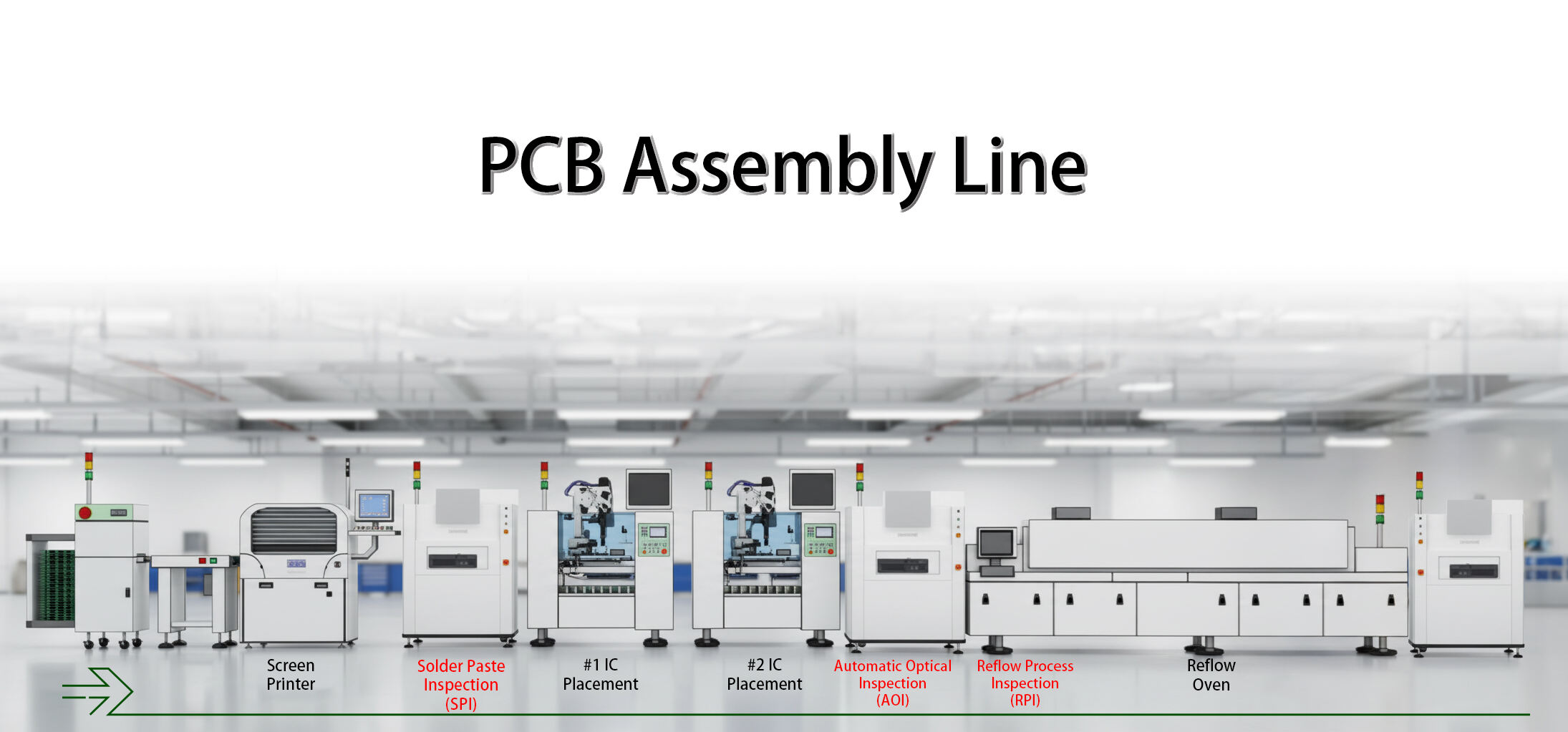
Aluminum PCBs have become the backbone of modern LED lighting systems, revolutionizing how thermal management and electrical performance are handled in high-power lighting applications. These specialized circuit boards address the fundamental challenge that makes PCB essential for LED technology: the need to efficiently dissipate heat while maintaining electrical integrity and long-term reliability in demanding lighting environments.
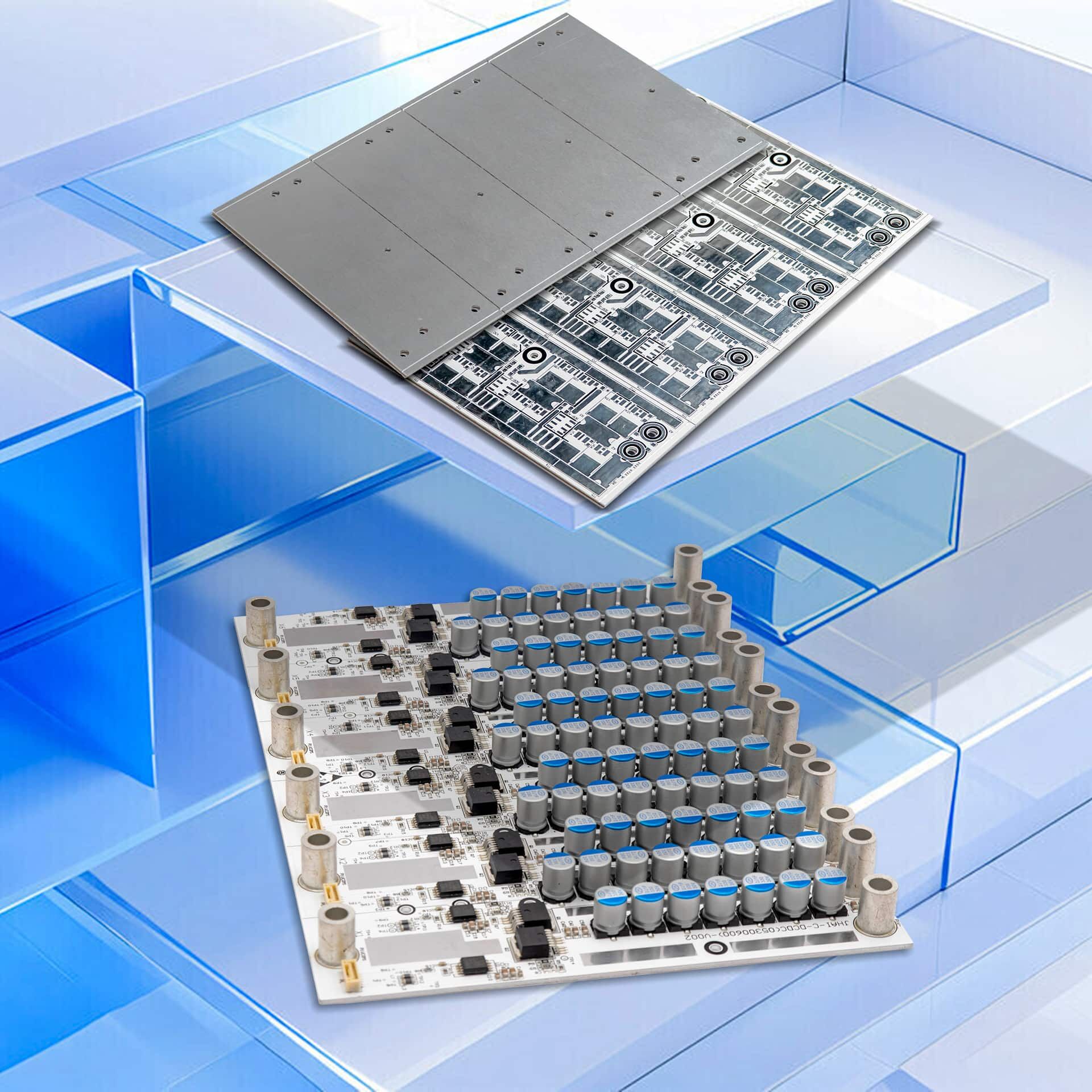
The critical role of aluminum PCBs in LED lighting stems from their unique ability to solve the thermal bottleneck that limits LED performance and lifespan. Unlike traditional FR4 boards, aluminum PCBs feature a metal core that acts as an integrated heat sink, making thermal management capabilities PCB essential for maintaining optimal LED junction temperatures and preventing premature failure in commercial and industrial lighting systems.
Thermal Management Excellence in LED Applications
Heat Dissipation Mechanisms
The aluminum substrate in these PCBs provides exceptional thermal conductivity ranging from 1 to 3 W/mK, dramatically outperforming standard fiberglass boards that typically achieve only 0.3 W/mK. This superior thermal performance makes aluminum PCB essential for LED applications where heat generation directly impacts light output, color stability, and operational lifespan. The aluminum core creates a direct thermal path from LED junctions to external heat sinks or ambient air.
The thermal interface layer between the circuit traces and aluminum base plays a crucial role in this heat transfer process. This specialized dielectric layer maintains electrical isolation while maximizing thermal conductivity, ensuring that heat flows efficiently from the LED components through the aluminum substrate. This design approach prevents the formation of hot spots that can degrade LED performance and reliability over time.
Temperature Control Benefits
Effective temperature control through aluminum PCBs directly translates to improved LED efficiency and extended operational life. When LED junction temperatures remain within optimal ranges, typically below 85°C, the devices maintain their designed light output and color characteristics while avoiding the exponential degradation that occurs at elevated temperatures. This temperature stability makes aluminum PCB essential for maintaining consistent lighting quality in professional applications.
The uniform heat distribution achieved by aluminum PCBs also prevents thermal stress on solder joints and component connections. This thermal uniformity reduces the risk of connection failures and mechanical stress fractures that commonly occur when components experience uneven heating and cooling cycles during operation.
Electrical Performance Advantages
Power Handling Capabilities
Aluminum PCBs excel in high-power LED applications due to their enhanced current-carrying capacity and reduced electrical resistance. The aluminum base provides additional grounding paths and electromagnetic shielding, which becomes increasingly important as LED power densities continue to increase. This electrical robustness makes aluminum PCB essential for modern LED drivers and power management circuits that operate at high switching frequencies.
The low electrical resistance of aluminum also contributes to reduced power losses within the PCB itself. When combined with properly designed copper trace patterns, aluminum PCBs minimize voltage drops and power dissipation that would otherwise generate additional unwanted heat in the system.
Signal Integrity and Noise Reduction
The conductive aluminum substrate acts as an effective electromagnetic shield, reducing noise and interference that can affect sensitive LED control circuits. This shielding capability becomes particularly valuable in applications with dimming controls, color-changing features, or wireless connectivity where electromagnetic compatibility is critical for proper operation.
The improved grounding characteristics of aluminum PCBs also enhance signal integrity in digital control systems. By providing multiple low-impedance return paths for high-frequency signals, these boards help maintain clean switching waveforms and reduce electromagnetic emissions that could interfere with other electronic devices.
Mechanical Durability and Reliability
Structural Strength Properties
The mechanical properties of aluminum make these PCBs significantly more robust than standard fiberglass alternatives. The aluminum substrate provides excellent resistance to vibration, shock, and mechanical stress, which is particularly important in automotive, aerospace, and industrial LED lighting applications. This mechanical durability makes aluminum PCB essential for environments where boards must withstand physical stress and harsh operating conditions.
The dimensional stability of aluminum also prevents warping and flexing that can stress surface-mounted LED components. This stability is crucial for maintaining proper optical alignment in LED arrays and preventing solder joint fatigue that can occur when boards flex during thermal cycling.
Environmental Resistance
Aluminum PCBs demonstrate superior resistance to environmental factors including moisture, corrosion, and chemical exposure. The aluminum substrate provides inherent protection against oxidation and degradation that can affect board performance over time. This environmental resilience makes aluminum PCB essential for outdoor lighting, marine applications, and industrial environments where exposure to harsh conditions is inevitable.
The thermal expansion coefficient of aluminum closely matches that of many LED packages and heat sink materials, reducing thermal stress at component interfaces. This thermal compatibility minimizes the risk of connection failures and mechanical damage during temperature cycling common in LED lighting applications.
Design Flexibility and Manufacturing Advantages
Layout Optimization Opportunities
The thermal conductivity of aluminum PCBs allows designers to place high-power LED components closer together without creating thermal interference. This design freedom enables more compact lighting solutions with higher power densities, making aluminum PCB essential for applications where space constraints are critical such as architectural lighting and automotive headlamps.
The aluminum substrate also enables the integration of thermal vias and heat spreading features directly into the PCB design. These thermal management features can be optimized during the design phase to create customized thermal paths that match specific LED placement patterns and power distribution requirements.
Manufacturing Process Benefits
The manufacturing processes for aluminum PCBs have matured to provide excellent yield rates and quality consistency. The aluminum substrate provides a stable foundation for precise component placement and soldering operations, reducing manufacturing defects and improving overall product reliability. This manufacturing reliability makes aluminum PCB essential for high-volume LED lighting production where consistent quality is paramount.
The ability to integrate multiple functions into a single aluminum PCB assembly also reduces overall system complexity and assembly costs. By combining thermal management, electrical connectivity, and mechanical support in one component, manufacturers can streamline their production processes and reduce the number of separate parts required in LED lighting systems.
Cost-Effectiveness and Economic Benefits
Long-Term Value Proposition
While aluminum PCBs may have higher initial costs compared to standard boards, their superior thermal management capabilities translate to significant long-term savings through extended LED lifespans and reduced maintenance requirements. The enhanced reliability makes aluminum PCB essential for applications where replacement costs are high or accessibility for maintenance is limited.
The improved thermal performance also allows LED systems to operate at higher efficiency levels, reducing energy consumption and operating costs over the product lifetime. This energy efficiency benefit becomes particularly valuable in large-scale lighting installations where small improvements in efficiency can result in substantial cost savings.
System Integration Savings
The integrated thermal management capabilities of aluminum PCBs can eliminate or reduce the need for additional heat sinks and cooling components in LED systems. This integration reduces both material costs and assembly complexity, while also saving space that can be utilized for additional features or more compact product designs.
The reliability improvements achieved with aluminum PCBs also reduce warranty costs and customer service requirements. By preventing premature failures and performance degradation, these boards help manufacturers build reputation for quality while minimizing support costs associated with field failures.
FAQ
Why is aluminum PCB essential for high-power LED applications?
Aluminum PCBs are essential for high-power LED applications because they provide superior thermal conductivity that prevents LED junction temperatures from reaching damaging levels. The aluminum substrate efficiently conducts heat away from LED components, maintaining optimal operating temperatures that preserve light output, color stability, and extend operational lifespan significantly compared to standard PCB materials.
What thermal performance advantages make aluminum PCB essential over traditional boards?
Aluminum PCBs offer thermal conductivity of 1-3 W/mK compared to 0.3 W/mK for standard fiberglass boards, making them essential for effective heat dissipation. This superior thermal performance prevents hot spots, reduces thermal stress on components, and enables higher power density designs while maintaining reliable operation in demanding LED lighting applications.
How does the cost of aluminum PCB essential technology compare to alternatives?
While aluminum PCBs have higher upfront costs than standard boards, they provide essential value through extended LED lifespans, reduced maintenance requirements, and improved energy efficiency. The long-term cost benefits, including reduced warranty claims and lower cooling system requirements, typically offset the initial investment in most commercial and industrial LED lighting applications.
What makes aluminum PCB essential for automotive and outdoor LED lighting?
Aluminum PCBs are essential for automotive and outdoor LED applications due to their superior mechanical strength, environmental resistance, and thermal stability. The aluminum substrate withstands vibration, temperature cycling, and harsh environmental conditions while maintaining reliable electrical performance, making them critical for applications where failure is not acceptable and maintenance access is limited.
Table of Contents
- Thermal Management Excellence in LED Applications
- Electrical Performance Advantages
- Mechanical Durability and Reliability
- Design Flexibility and Manufacturing Advantages
- Cost-Effectiveness and Economic Benefits
-
FAQ
- Why is aluminum PCB essential for high-power LED applications?
- What thermal performance advantages make aluminum PCB essential over traditional boards?
- How does the cost of aluminum PCB essential technology compare to alternatives?
- What makes aluminum PCB essential for automotive and outdoor LED lighting?