
 EN
EN
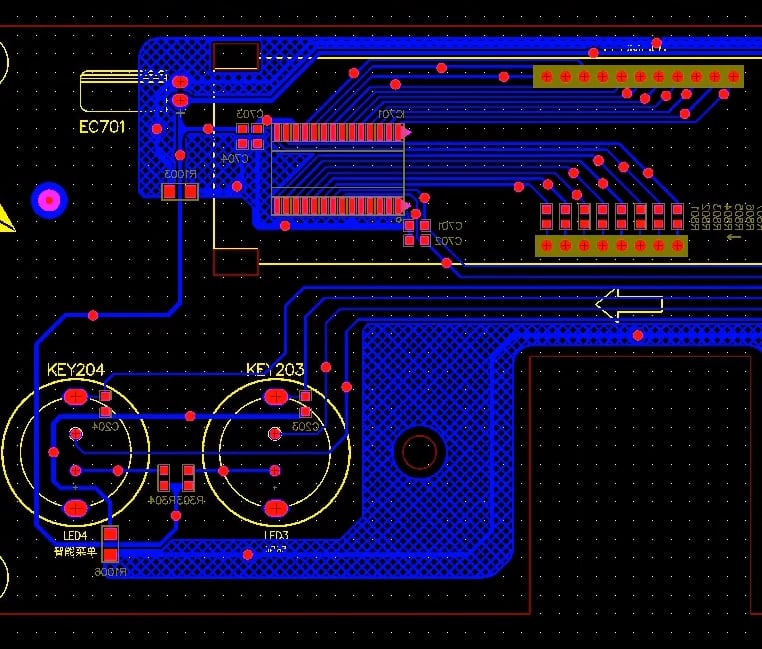
Every electronic device you use contains at least one circuit board, and when those devices reach the end of their life, the question of what to do with each circuit board becomes critically important. A circuit board is not ordinary waste. It contains a complex mixture of valuable metals, hazardous chemicals, and engineered polymers that require specialized handling. Understanding how to recycle a circuit board correctly protects the environment and recovers materials that still hold significant industrial value.

The global volume of electronic waste is rising each year, and the circuit board within each discarded device represents both a resource opportunity and an environmental responsibility. A single circuit board can contain gold, silver, copper, palladium, and other recoverable metals alongside toxic substances such as lead, mercury, and brominated flame retardants. Proper circuit board recycling prevents these hazardous materials from leaching into soil and water while enabling the recovery of precious and industrial metals through certified processing pathways.
Why Circuit Board Recycling Matters
Environmental and Resource Implications
When a circuit board ends up in a landfill, its toxic components begin to degrade and release harmful substances into the surrounding environment. The epoxy resin base of a typical circuit board does not biodegrade easily, and the solder joints may contain lead that contaminates groundwater over time. Recycling a circuit board intercepts this chain of damage before it begins. Each circuit board that enters a proper recycling stream reduces the demand for freshly mined metals, which is one of the most resource-intensive industrial processes on earth.
From a circular economy perspective, the circuit board is a secondary ore deposit. Professional recyclers extract copper, gold, and palladium from each circuit board batch through hydrometallurgical and pyrometallurgical processes. The recovered circuit board materials are then reintroduced into manufacturing supply chains, reducing overall environmental load. This makes circuit board recycling not just an act of responsible disposal but a genuine contribution to sustainable industrial production.
Regulatory and Compliance Drivers
Regulations in many regions now mandate proper circuit board disposal. In the European Union, the WEEE Directive requires that manufacturers and retailers support circuit board take-back schemes. In the United States, several states enforce e-waste laws that restrict circuit board landfilling and require certified processing. Businesses that handle large volumes of circuit board waste must document their disposal chain and work with licensed recyclers to remain compliant. Non-compliance can result in fines and reputational damage, making a clear circuit board recycling policy both a legal and strategic necessity.
How Circuit Board Recycling Works
Collection and Sorting
The circuit board recycling process begins with collection. Consumers and businesses can drop off circuit board waste at certified e-waste collection centers, manufacturer take-back programs, or authorized recyclers. Once a circuit board arrives at a processing facility, it is sorted by type and condition. A circuit board from a smartphone differs significantly in composition from a circuit board sourced from an industrial control system, and sorting ensures each circuit board batch is directed to the most appropriate processing method.
Before any mechanical or chemical treatment begins, technicians may manually remove batteries, capacitors, and other components from each circuit board to prevent hazardous reactions during shredding. This preprocessing step is essential because a circuit board often contains components that must be managed separately under environmental regulations. Only after safe disassembly does the circuit board move to the next recovery stage.
Material Recovery Techniques
Once a circuit board has been prepared, two primary recovery routes are used. In mechanical processing, the circuit board is shredded into small fragments, and then eddy current separators, magnetic separators, and density-based air classifiers separate the metallic fractions from the non-metallic substrate. This produces a metal-rich concentrate from the circuit board that can be sent for further refining.
In hydrometallurgical processing, the circuit board concentrate is dissolved in acid solutions to selectively leach target metals. Gold, silver, and palladium from each circuit board are then precipitated or extracted through solvent methods. Pyrometallurgical smelting is another circuit board processing route where the material is fed into high-temperature furnaces to recover base and precious metals. Each circuit board recycling method has trade-offs in yield, cost, and environmental footprint, and certified recyclers select the best approach based on circuit board composition and volume.
Best Practices for Responsible Circuit Board Disposal
Choosing a Certified Recycler
Not all facilities that accept circuit board waste process it responsibly. Choosing a recycler certified under standards such as R2 or e-Stewards ensures that your circuit board material is handled without illegal export to low-income countries where informal circuit board processing causes severe health harm. Always request a certificate of recycling or data destruction when handing over a circuit board that contains sensitive firmware or proprietary design information.
For businesses that generate significant circuit board waste, establishing a formal partnership with a certified recycler creates accountability and documentation. Tracking each circuit board from collection to final processing supports corporate sustainability reporting and demonstrates due diligence to clients and regulators. A well-structured circuit board recycling program also reduces the cost of waste management by capturing material value that can sometimes be credited back against processing fees.
Design for Recyclability
One of the most impactful ways to improve circuit board recycling outcomes is to consider recyclability during circuit board design. Using lead-free solder, avoiding halogenated flame retardants, and minimizing the use of mixed-material laminates all make it easier to recover materials from a circuit board at end of life. Engineers who specify circuit board materials with downstream recovery in mind reduce the cost and complexity of recycling for the entire product lifecycle. This design-for-environment approach to circuit board manufacturing is gaining traction among responsible electronics producers who want to demonstrate genuine environmental commitment.
FAQ
Can I put a circuit board in my regular recycling bin?
No. A circuit board contains hazardous materials that cannot be processed by standard municipal recycling systems. You should take your circuit board to a certified e-waste collection point or a licensed electronics recycler to ensure it is handled safely and legally.
Is there any value in recycling a circuit board?
Yes. A circuit board typically contains recoverable metals including gold, copper, silver, and palladium. For high volumes of circuit board material, certified recyclers may offer a buyback or credit arrangement based on the estimated metal content of the circuit board batch.
How do I find a certified circuit board recycler near me?
You can locate a certified circuit board recycler through directories maintained by certification bodies such as R2 Solutions or e-Stewards, or through your local government e-waste program. Manufacturer take-back programs are also a reliable option for circuit board recycling in many regions.